

Top 20 Animals With Small Ears And How This Feature Helps Them Survive In Different Habitats
In this article, we explore animals with small ears. These animals are found in many habitats. They often have reduced external ears because of how they live. Some burrow underground. Others swim in water. Small ears help reduce heat loss or keep sand and water out. In the list below, we focus on 20 species. We describe where they live, how they behave & what makes their small ears useful.
Top 20 Animals With Small Ears
| Number | Animal |
| 1 | Fennec Fox |
| 2 | Elephant Shrew |
| 3 | Kangaroo Rat |
| 4 | Naked Mole-Rat |
| 5 | Armadillo |
| 6 | Platypus |
| 7 | Manatee |
| 8 | Sea Otter |
| 9 | Hedgehog |
| 10 | Beaver |
| 11 | Tarsier |
| 12 | Aardvark |
| 13 | Wombat |
| 14 | Muskrat |
| 15 | Pika |
| 16 | Tuatara |
| 17 | Jerboa |
| 18 | Lemming |
| 19 | Tapir |
| 20 | Mole |
Read Also: Top 20 Animals With Short Legs
Detailed Look At Animals With Small Ears
Fennec Fox
Scientific Name: Vulpes zerda
Class: Mammalia
Diet: Omnivore
Fennec foxes inhabit the North African deserts. It has enormously small external ears when compared to most foxes. The name fennec is however associated widely with big ears. The narrow ear hole and thick fur around the ear keep the sand out. This fox excavates holes in heat and sand. It emerges at night to get food such as insects, small rodents, roots and fruit. The low ears minimize the loss of water. They also assist in the conduct of sound into the inner ear and do not allow too much heat to escape. Fennec foxes are social animals. They hunt and play together. Their broad feet assist them to walk on hot sand without sinking. They are able to spend a long time without drinking any water since they receive it through food. Fennecs give birth to young ones in spring in a burrow. They are taken care of by their parents up to the time they become old enough to hunt. Fennec foxes are able to call a lot, barks and purrs. They have short ears that make them appear rounded and soft as opposed to other foxes that have long pointed ears.
Fun fact: Fennec foxes use their paws to cover burrow entrances against wind and sand while they rest.

Elephant Shrew
Scientific Name: Elephantulus spp.
Class: Mammalia
Diet: Insectivore
Elephant shrews inhabit sections of African regions. Their ears are small and close to the head. This serves to keep them safe in case they are passing through tall bushes and leaf litter. They are small fast mammal hunters of insects, spiders and other small invertebrates. Elephant shrews move at high speed in short bursts in order to hunt. They mark territory using scent. Their small ears are very effective however they are not much protruded. This eliminates the possibility of injury as they scamper through thick cover. They nest beneath roots or rocks in order to take a rest in the heat of day. In some species the elephant shrews are monogamous. Two of them will be defending a trail through the grass. These tracks connect nests, feeding and resting areas. Their hearing is not crippled by the small ears, as sound will be heard well near the ground. When they come to open places they stop and listen, and then continue. The elephant shrews play in the early morning and in the late afternoon. They avoid the hottest times. During cool nights they are secure in their holes of refuge.
Fun fact: Despite their name, elephant shrews are not true shrews. They get their name from a flexible nose that looks a bit like an elephant’s trunk.
Kangaroo Rat
Scientific Name: Dipodomys spp.
Class: Mammalia
Diet: Herbivore/Granivore
Kangaroo rats are found in North American arid areas. Their opening of ears is small with little pinna. This will ensure that the ear is not exposed to sand and dust. They jump on great hind legs, as little kangaroos. They mostly feed on plant material and seeds. Kangaroo rats do not drink water very often. They obtain food moisture and the urine is extremely concentrated. They burrow in complex holes having multiple holes. On hot days, these burrows remain cool. Kangaroo rats also transport seeds to the burrow in cheek pouches. During the night they go out to fetch food. With their sharp hearing which is safeguarded, they can hear the predators. Little ears minimize the loss of the heat in cold nights in the desert. To escape snakes, owls, and foxes, they are able to jump a long distance. To alert others about danger, the kangaroo rats stamp the ground. Their escape routes are also the burrow systems. They breed during spring and summer when there is plenty of food. A season may consist of multiple litters by females. Young rats go out of the burrow to go and dig tunnels.
Fun fact: Kangaroo rats can jump up to nine feet in a single bound to escape threats.
Read Also: Top 25 Animals With Long Legs
Naked Mole-Rat
Scientific Name: Heterocephalus glaber
Class: Mammalia
Diet: Herbivore
Naked mole-rats are peculiar rodents that can be found in East Africa. They inhabit the earth in huge colonies. Ears are small holes and hardly have an exterior flap. This is appropriate to living in small passages. Their hearing is based on the bone conduction and small holes. The tubers and roots that naked mole-rats find are consumed with big incisors. They do not have to take water. The food moisture is sufficient. The colonies contain one breeding queen and numerous workers. Workers excavate, nurture and scavenge underground. Ears are small, and so the dirt and grit do not find their way to the ear canal. These animals are low-metabolic and they do not experience certain forms of pain experienced by other mammals. They have a social structure like ants or bees. They speak in squeaks and chirps. There is no sight in the dark, and touch and hearing are the more significant senses in the underground. Naked mole-rats may live more than 30 years; this is as long as rodents. They almost have no hair and the little ears fit the streamlined body to dig.
Fun fact: Naked mole-rats are one of the few mammals that do not regulate body temperature well, so they rely on the warm burrow.
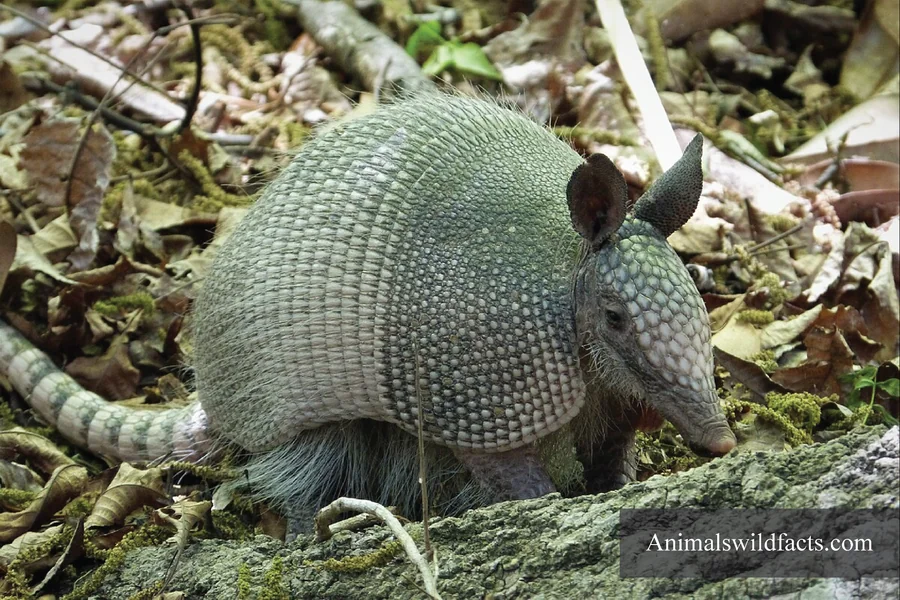
Armadillo
Scientific Name: Dasypus spp.
Class: Mammalia
Diet: Insectivore/Omnivore
Armadillos are found in America. They bear flat, small ears that are positioned flat against the head. This assists them in digging and burrowing without snaring soil. A great majority of the armadillo species burrow into insects, grubs, and roots. The predators cannot harm them because of their armor plates. The ears are still small yet can hear well but they do not protrude to prevent entanglement in a brush. Armadillos excavate burrows to live and breed. They are predominant at nighttime and dusk. There are those species that can cross water by bearing their breath and walking on the water. They have a good sense of smell and they apply it to locate food under the leaf litter and soil. Litters are brought forth by females, occasionally of the same quadruplets. The young armadillos are close to the mother and learn to dig and forage. Their large ears, strong legs, and strong claws make them good at excavations. Some species also can partially roll in a ball. Armadillos are single and most of the time, they share burrows.
Fun fact: The nine-banded armadillo can jump straight up when startled, sometimes over three feet in the air.
Platypus
Scientific Name: Ornithorhynchus anatinus
Class: Mammalia
Diet: Carnivore
Platypus inhabits the rivers and streams of eastern Australia in fresh water. It has extremely small ear holes which lie flat on the head. Outer ear ears are not visible. This is also beneficial in swimming and diving. Water does not make its way into the ear canal easily. Platypuses spend most of their day in the water as they seek their food. They burrow in beds of rivers with their bills, in search of insects, worms and crustaceans. They close their ears, nose, and eyes when they are diving. Hearing continues to operate using the vibration in water. When on the land, the small ears minimize heat loss and prevent damage as they pass through dense vegetation on the riverbank. Platypuses construct burrows on the banks of rivers. Such burrows guard them against weather and predators. They remain active mostly in the morning and evening. Males are both territorial and they mark territories by scent. Women carry out egg-laying and suckling in deep holes. The young hide for several weeks and then go into water. Platypus has a swimming body. Minute ears are used to make the head slick and smooth. This enables the movement in water without causing noise when hunting.
Fun fact: The platypus is one of the few mammals that can detect electric signals from prey underwater.
Read Also: Top 20 Animals With Big Ears
Manatee
Scientific Name: Trichechus spp.
Class: Mammalia
Diet: Herbivore
The manatees inhabit rivers and warm coastal waters. The ear openings are very small and there is no outer ear flap. This is appropriate to a lazy life of swimming in water. Big ears would give rise to drag and gather debris. Manatees spend most of the day feeding on the seagrass and aquatic vegetation. They go slowly and all peacefully across shallow waters. Their hearing is good, in spite of little ears. They act in response to sound, splashing, and other manatee calls. The manatees usually sleep either on the water, or in the ground. They emerge after every several minutes to breathe. The small ears assist in minimizing the water resistance during swimming. Manatees are very docile animals and usually congregate around warm water bodies. During colder seasons they migrate to springs and electrical plants. Calves are nurtured by mothers during a period of more than a year. Calves would acquire feeding paths through following the mother. The manatees communicate through touch and sound. Their skin is thick and their head is smooth to withstand harsh vegetation. Small ears will also not allow parasites and plants to find their way into the ear channel.
Fun fact: Manatees replace their teeth throughout life as old ones wear down from eating plants.
Sea Otter
Scientific Name: Enhydra lutris
Class: Mammalia
Diet: Carnivore
Sea otters inhabit the coasts of the North Pacific. They have small ears and they are near to the head. It is used in diving and rolling in waves. Sea otters cannot live without spending a large part of their life in water. They fish shellfish, crabs and sea urchins. In case of being underwater, the orifices of the ear become narrow. This helps in shielding hearing structures against cold water. Sea otters do not have thick fat in their bodies, but fur. Small ears minimize the loss of heat in cold oceans. When eating, they tend to lie on their backs. Sea otters employ rocks to crack shells. The mother teaches such behavior at an early age. Mothers retain pups on their breast when they are floating. The pups remain with the mother for several months. Sea otters are mischievous and inquisitive. They wash frequently to maintain dry fur. The ears remain safe, and hearing is vital in terms of sensing danger. Small ears decrease the drag during a race swimming, too. Otters sleep in kelp beds where they tie themselves with kelp.
Fun fact: Sea otters have the thickest fur of any mammal, with up to one million hairs per square inch.
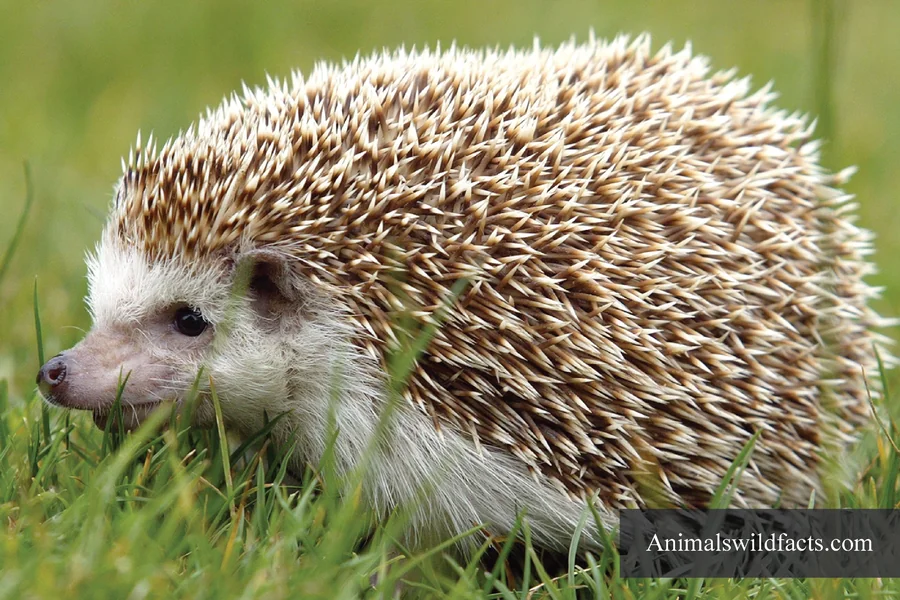
Hedgehog
Scientific Name: Erinaceus europaeus
Class: Mammalia
Diet: Omnivore
The habitat of hedgehogs is forests, gardens and grasslands. Their ears are small and are low set on the head. Part of these ears are concealed by spines. This prevents them from being injured and dirty. Hedgehogs are nocturnal creatures. They hunt insects, worms, fruits and small animals. The size of their ears does not matter as they hear well. Small ears assist in the conservation of body heat on cold nights. Hedgehogs roll into a ball when they are in danger. In this defence attitude small ears are snuggled up. The hedgehogs make nests out of grass and leaves. They sleep and breed using these nests. In colder seasons, hibernating of numerous hedgehogs occurs. The body temperature falls and they use the stored fat. Small ears decrease the loss of heat in this long rest. The born hedgehogs have soft spines which harden with time. They are defended by the mother until they are able to forage. Hedgehogs do not use sight much as they use smell or sound. Their small ears are quite adequate in hearing at low level near the ground.
Fun fact: Hedgehogs can hear low-frequency sounds that humans often cannot detect.
Beaver
Scientific Name: Castor canadensis
Class: Mammalia
Diet: Herbivore
Beavers inhabit close to rivers, lakes and wetlands. Their ears are small and rounded and flat on the head. This is the best design to use in swimming and diving. The ear holes close to exclude the water when one is underwater. Beavers are excellent constructors. They chop down woods and make dams and lodges. Such buildings produce peaceful water and defend their houses. The beavers feed on aquatic plants, leaves, and bark. Small ears also make swimming with heavy branches drag less. Beavers become predominantly active at night. They communicate by the use of smell and sound. Tail slaps on water alert others about the danger. Beavers take two years to be with their parents to learn how to survive. There are lodges with underwater doorways in order to keep predators away. The lodge is dry and warm inside. The tiny ears are designed to keep the freezing water out when going swimming in winter. Beavers wash themselves frequently in order to retain fur waterproof. Their form and shape facilitate their movement through the water with the help of their body shape and the size of their ears.
Fun fact: Beaver dams can be seen from space and help create habitats for many other animals.
Read Also: Top 14 Animals with Big Eyes
Tarsier
Scientific Name: Tarsius spp.
Class: Mammalia
Diet: Carnivore
Tarsiers are forest inhabitants of Southeast Asia. Their ears are very small, and they are positioned near the head. The ears are thin and rounded. This aids them in passing by the branches without getting caught up by leaves. Tarsiers are active at night. They are predators of insects, small birds, and lizards. They are able to see in the low light because their eyes are big. Even with small ears, it is good for hearing. Tarsiers are able to scan their environment by rotating their heads a long distance. Small ears decrease the weight of the head and provide balance in the jumping action. These are animals that jump through branches with long hind legs. They sleep on the trees by making use of vertical trunks. Tarsiers either live singly or in families. They identify their position through smell and noise. Their cries are shrill, and pass a long distance through the deep woods. During hunting, young tarsiers are hanging on branches as their parents hunt. Fish have small ears to prevent them being injured when they squeeze into tight openings. Life in the forest involves moving silently and making quick decisions. The tarsiers depend on stealth rather than size.
Fun fact: Tarsiers cannot move their eyes in their sockets, so they turn their heads instead.

Aardvark
Scientific Name: Orycteropus afer
Class: Mammalia
Diet: Insectivore
Aardvarks inhabit Africa in the savannah and grasslands. Their ear holes are small, and the edges of the ear holes are thick. This assists in preventing dirt during digging. Aardvarks prefer feeding on ants and termites. They make burrows with powerful claws. Ears of little size remain safe when the animal burrows his head in soil. The Aardvarks are nocturnal animals. All day they sleep in holes. The burrows can also shelter other animals in the future. Aardvarks are able to use smell to locate insect nests. Auditory senses aid in sensing danger on the ground. The small ears suppress the loss of heat when the nights are cool. Aardvarks Once in burrows weeks before exploring. To escape predators, mothers relocate young among burrows. The aardvarks possess long tongues to access insects that are deep into the ground. Their skin is thick and they cannot be bitten. Small ears suit their digging lifestyle well.
Fun fact: An aardvark can eat over 50,000 insects in one night.
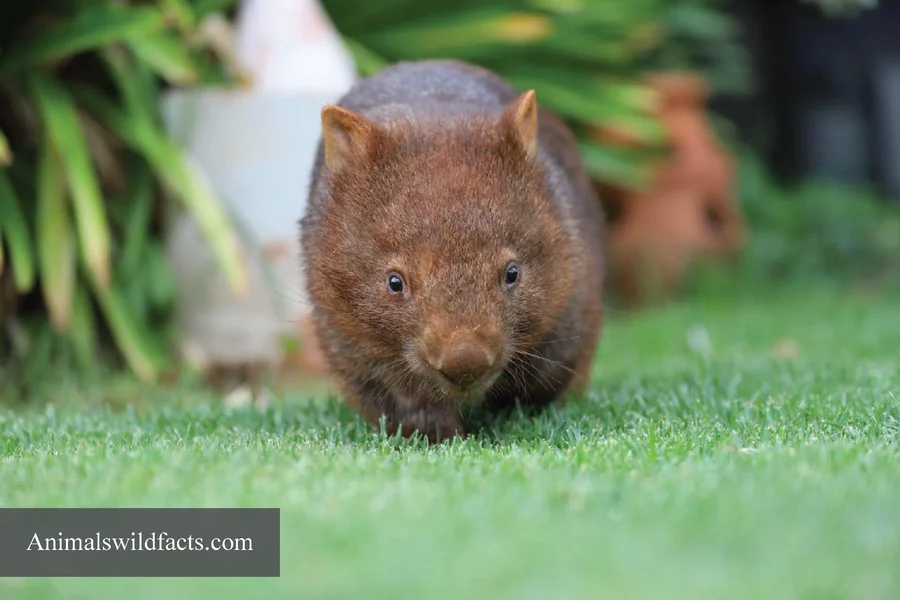
Wombat
Scientific Name: Vombatus ursinus
Class: Mammalia
Diet: Herbivore
Wombats live in Australia. Their ears are small and rounded and are low on the head. These ears are used to minimize heat losses and injuries during digging. Wombats will burrow in the soil and the hills. They nourish themselves on grasses, roots and bark. Their movement is slow concealing powerful muscles that are applied in the process of digging. The small ears do not allow any dirt to get in during tunneling. Wombats mostly work at nighttime. They sleep in the ground during the day with the temperatures remaining constant. Wombats are solitary and possess territories. Their burrows are extensive and complicated. Mothers give birth in a backwards-facing pouch. This prevents dirt during excavation. Small ears also minimize the chances of parasites. Wombats’ sense of smell and hearing are good. They use these senses to detect enemies. They are assisted by their short legs and thick bodies to move into the tunnels.
Fun fact: Wombat droppings are cube-shaped and do not roll away on slopes.
Read Also: Top 10 Animals Like Mongoose
Muskrat
Scientific Name: Ondatra zibethicus
Class: Mammalia
Diet: Herbivore
Muskrats inhabit marshlands, ponds, and wetlands. They possess ears that are small, but the fur is thick. This will be excluded when swimming in water. The muskrats make their lodges of mud and reeds. They nourish water plants and roots. Under water, small ears are tightly closed. This assists in keeping hearing safe from cold water. The muskrats are good swimmers and are able to remain in the water for several minutes. They work both day and night. Muskrats use scent glands to mark their territories. Young muskrats are swift in growing and they learn how to swim very early. Small ears decrease the drag when travelling in water. During winter muskrats remain alive under ice. Their huts are warm and safe. Little ears assist in saving the body heat during cold times.
Fun fact: Muskrats can swim backward using their flexible tails.
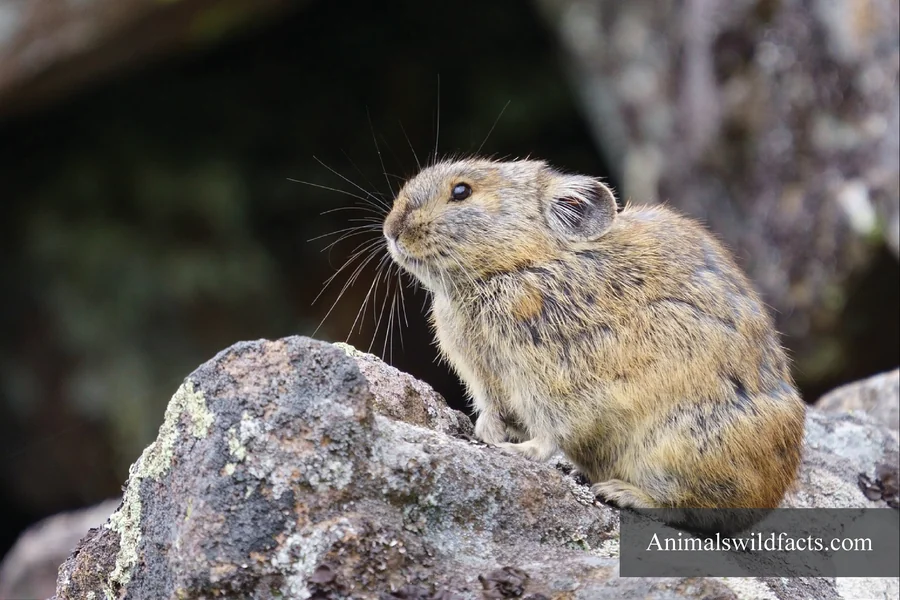
Pika
Scientific Name: Ochotona spp.
Class: Mammalia
Diet: Herbivore
Pikas inhabit cold mountainous areas. Their ears are small and rounded and this is to help reduce heat loss. Pikas inhabit on rocks and inclinations. They live on grass, moss and flowers. Pikas pick plants and dry them in the sun during summer. These are the plants that they store to survive winter. Small ears are used to retain body heat when it is frozen. Pikas are daytime active. They make sharp calls alerting the other people of any danger. They have good ears which pick up sounds in rocky places. Pikas do not hibernate. They stay active all year. Huge ears minimize the danger of frostbite. The small bodies fit into the crevices of rocks.
Fun fact: Pikas create “hay piles” that can weigh more than the animal itself.
Tuatara
Scientific Name: Sphenodon punctatus
Class: Reptilia
Diet: Carnivore
Tuatara is a New Zealand endemic species. It appears to be a lizard but it is not. The ear openings of tuataras are very small and there are no outer ears. This suits their peaceful and quiet way of life. In burrows, they live in common with seabirds. In order to sleep underground, small ears are useful in keeping dirt and insects away. Insects, worms, small reptiles and eggs of birds are prey to tuataras. They predominantly show activity at night. Listening is simple and sufficient to hear something moving around. Small ears minimize injury in the reduction of rocks in soil. Tuataras do not grow fast and have a lifespan of more than 100 years. They also like low temperatures and are inactive in hot weather. Their skin is thick and their ears are small to avoid loss of moisture. Tuataras use more scent and eyesight than sense. They wait very long hours sitting down in anticipation of prey. The young tuataras lead their own lives to escape consumption by the adult ones. Their old body is fitted with small ears.
Fun fact: Tuataras have a “third eye” on top of their head used to sense light when young.
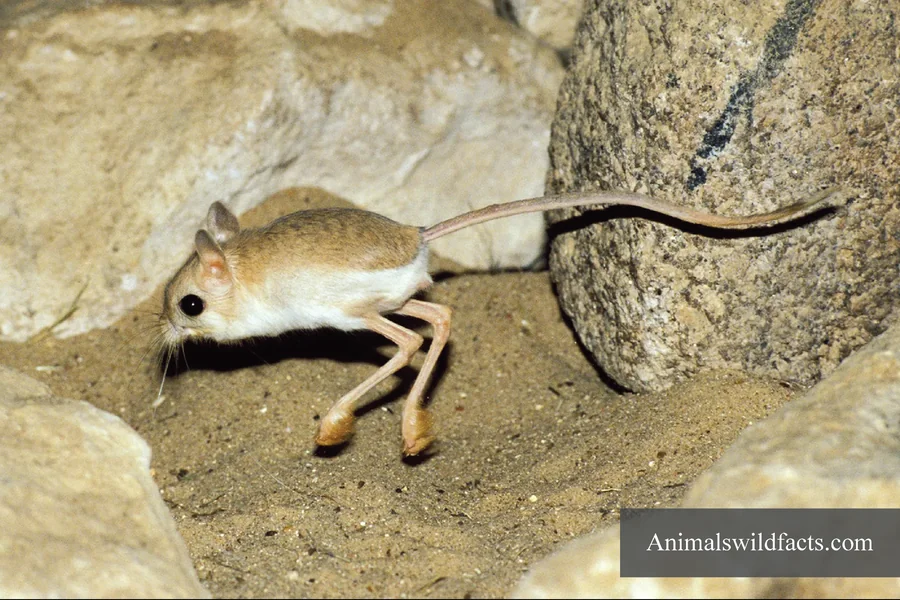
Jerboa
Scientific Name: Jaculus jaculus
Class: Mammalia
Diet: Omnivore
Jerboas inhabit deserts and dry grasses. They possess small ear holes which remain near the head. This assists in preventing the blockage of sand on burrowing and hopping. Jerboas walk about on short hind legs. They preferred insects, plants and seeds. Minimization of heat loss occurs in cold desert nights due to small ears. Jerboas make deep holes in order to avoid heat. These holes remain cool in the daytime. During the night Jerboas emerge to eat. Sound is used to pick up prey such as snakes and owls. Small ears also ensure that dust is not accumulated as the ears move rapidly through sand. The jerboas employ zigzag leaps to avoid dangers. Young are brought up inside burrows by mothers. Adolescents are taught to jump at a tender age. Their tiny ears are appropriate to high speed and arid weather.
Fun fact: Jerboas can jump over ten times their body length in a single leap.
Read Also: Top 20 Animals With Long Tail
Lemming
Scientific Name: Lemmus lemmus
Class: Mammalia
Diet: Herbivore
Lemmings inhabit arctic and subarctic zone. and their ears are extremely tiny, and concealed in fat fur. This helps reduce heat loss. Lemmings subsist on mosses, grasses and roots. They stay active all year. Small ears keep off frostbite in cold weather. The Lemmings tunnel the snow when there is a winter. Movement and feeding are possible in these tunnels. The hearing is efficient even when the ears are small. Lemmings use sound to sense predators such as foxes and birds. Their populations are born and die by default. They disseminate to new territories in their best years. Small ears assist in saving energy in cold areas. Young lemmings breed rapidly to survive a few summers. Their bodies are small so that they fit in snow tunnels.
Fun fact: Lemmings do not jump off cliffs on purpose. This is a long-standing myth.

Tapir
Scientific Name: Tapirus spp.
Class: Mammalia
Diet: Herbivore
Tapirs inhabit wetlands and forests. Some of them have small rounded ears with white edges. These ears are situated near to the head. This is useful when we pass through thick vegetation. The tapirs are leaf, fruit and shoot eaters. They are good swimmers and they usually get into the water to refresh themselves. Small ears minimize the drag during swimming. Tapirs tend to be active at night. By day they take their rest in heavy cover. Auditory ability is used to sense threats such as jaguars and tigers. Having small ears also reduces the chances of injuring them in the heavy vegetation. Tapirs have a flexible nose that helps them to get food. Mothers raise a single calf. Striped coats are utilized by the young tapirs. Small ears are appropriate to their mute and secretive manner.
Fun fact: Baby tapirs look like walking watermelons because of their striped patterns.
Mole
Scientific Name: Talpa europaea
Class: Mammalia
Diet: Insectivore
Moles are found underground in the forest, field and grasslands. They possess very tiny ears that can hardly be distinguished. There is no outer ear flap. This is significant to life in narrow tunnels. The ears would be large and would gather soil and end up hurt during digging. Moles are subterranean animals. They burrow through deep tunnels with large front legs. Their bodies are cylindrical in shape hence move forward and backward with ease. Small ears remain covered in coarse fur. The moles feed on earthworms, soil insects, and soil larvae. Their touch and smell is highly developed. Auditory is adequate to pick vibrations on the surface. Small ears are used to keep dirt and moisture out. Moles are day and night active. They do not hibernate. Their tunnels also enhance the soil by mixing the layers and letting the air to circulate. Moles inhabit solitary lives and they protect their burrows. After some few weeks, young moles take off the nest to excavate their own colony. Large ears minimize the heat loss in the soil where there is constant temperature. The way of life of the mole illustrates how body characteristics evolve to life in the dig.
Fun fact: A single mole can dig over 100 feet of tunnel in just one day.
Read Also: Top 25 Animals That Eat a Lot
Closing Thoughts
Small-eared animals can be found in numerous conditions. Deserts. Forests. Rivers. Cold mountains. Having little ears aids in heat regulation, excavating and swimming and defense. Such animals demonstrate how the body shape suits the lifestyle. Better or worse is not the size of the ear. It is about survival. The adaptation of every species is different. Nature does not complicate it.
FAQs:
What are animals that have small ears?
Animals that have small ears are animals the size of their ears is small to adapt to digging or swimming or cold weather, or thick habitats.
Why are there animals with small ears?
The small ears are used to minimize the heat loss, entry of dirt, water and minimize the likelihood of injury in small spaces.
Bad hearing because of the small ears?
No. Most small-eared animals also have good hearing that operates on vibrations and sound that are near the ground.
What are all the habitats of animals that have small ears?
In deserts, in underground tunnels, in forests, wetlands, and the cold areas mostly favor smaller-eared animals.
Is it true that little-eared animals are spread all over the world?
Yes. Small-eared animals occupy nearly all the continents and in a wide variety of environmental settings.