Top 20 Animals With Short Legs — Natural Wildlife Guide
Animals with short legs are more common than you think. There are those that go round in the earth To the ground. Others swim. Some dig deep burrows. Short legs are not a flaw. They are an aspect that has been developed through evolution. This guide discusses short legged animals. We look at how they live. Where they live. What they eat. And what their bodies do to make them survive.
Top 20 Animals With Short Legs (With Details)
Below is the table of short‑legged animals we will cover in this article.
| No. | Animal Name |
| 1 | Penguin |
| 2 | Hippo |
| 3 | Badger |
| 4 | Dachshund |
| 5 | Wombat |
| 6 | Groundhog |
| 7 | Hedgehog |
| 8 | Platypus |
| 9 | Basset Hound |
| 10 | Skunk |
| 11 | Tortoise |
| 12 | Mole |
| 13 | Corgi |
| 14 | Komodo Dragon |
| 15 | Seal |
| 16 | Tasmanian Devil |
| 17 | Prairie Dog |
| 18 | Otter |
| 19 | Sloth |
| 20 | Axolotl |
Detailed Look At Animals With Short Legs
1. Penguin
Scientific Name: Spheniscidae
Class: Aves
Diet: Carnivore
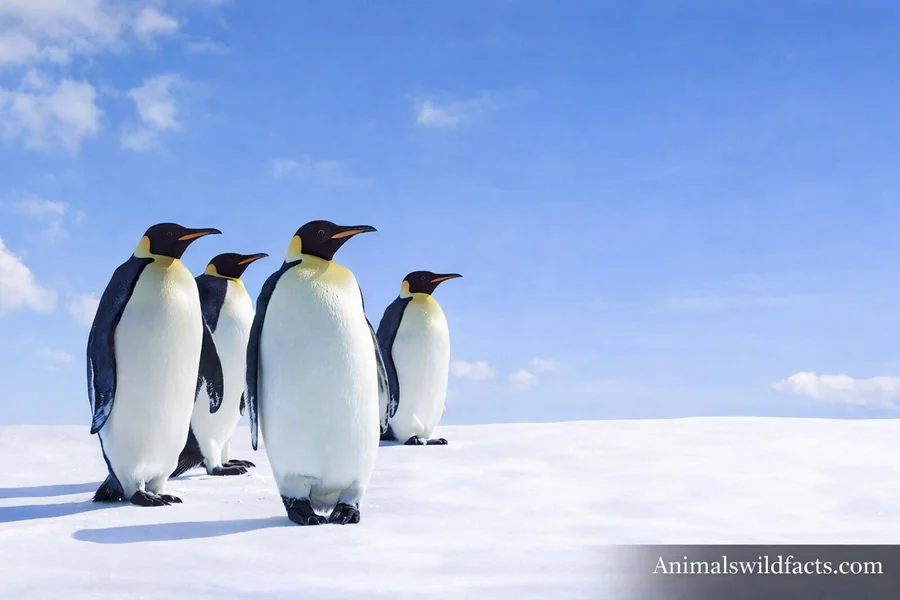
The penguins are found in the Southern Hemisphere. The majority of people imagine them when they think of Antarctica. Penguins are short-legged with webbed feet. They place their legs deep into the body. This renders walking ugly. But it is ideal for swimming. Penguins perform rudder-like movements on legs and feet on water. They can turn fast. They can dive deep. They pursue fish, squid and krill with grace when they are under the water. On shore they walk and skip about on ice. They are held low towards the ground by their short legs. This assists them to remain warm during cold winds. They also form themselves in large groups during winter.
The penguins have short legs too, which ensures that there is less loss of energy to cold. These birds nest in close groups. They then relay each other in keeping eggs warm on their feet. Penguins feed their young with regurgitated food. This gives chicks a fast beginning in a cruel world. Penguins are excellent swimmers. But on land they look slow. That is how they live. On land and in sea. It all works with short legs.
Fun Facts: Some penguins can swim up to 15 miles per hour underwater.
2. Hippo
Scientific Name: Hippopotamus amphibius
Class: Mammalia
Diet: Herbivore
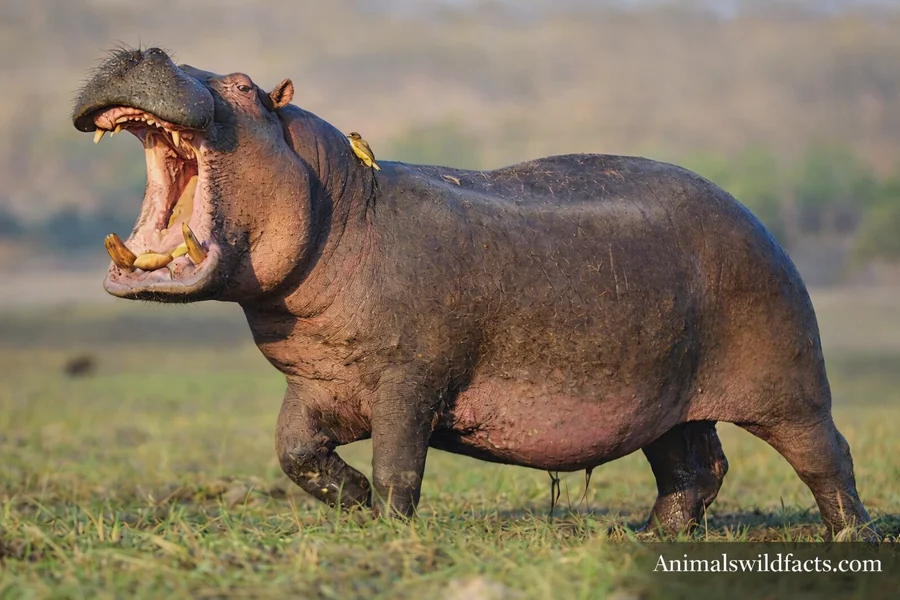
Hippos are short-legged heavy mammals. They are also heavy and wide. Their weight may appear too heavy on too stubby legs. But this build works for them. The Hippos also waste most of their time in water or mud. The short legs make them stable when walking on the bases of rivers. They cannot swim well. Rather they push or swing on the bottom. Hippos eat mainly grass. They drink water at nightfall in order to graze. They are able to walk miles in search of fresh grass. Their stumpy legs keep them stable on the land.
The hippo is thick-skinned and has a huge mouth. They grape their jaws And gape their jaws to display. They are the teeth that are employed in fighting rather than eating. Hippos are social. They are group dwellers around water. They produce various types of sounds, such as grunts and roars that are heard in the inactive water. Their legs are too short, and remain hidden beneath a huge body. This makes them slow on land. But stalwart and deep where need be.
Fun Facts: Despite being massive, hippos can run up to 19 miles per hour on land for short distances.
Read Also: Top 25 Animals With Long Legs
3. Badger
Scientific Name: Taxidea taxus (American badger)
Class: Mammalia
Diet: Omnivore
Badgers are short-legged fat mammals. They are built to dig. Their forepaws are strong. Their claws are long. The short legs place their feet near the soil. Badgers can tunnel fast. They dig to hunt prey. They consume rodents, insects, roots and berries. They dig deep burrows in the soil. The other species also make their abodes in these burrows.
Badgers are solitary most of the time. They mark their territories with scent marks. Their legs are short and thus make them appear low. Yet they are able to move when it is necessary. A combination of stealth and strength is also observed among badgers. They wait until small animals come then spring. Their claws give them grip. Their skin is covered with shaggy hair. This helps to keep them clean and warm. Badgers are bold. They do not back down when confronted. Here short legs will not be a liability. They are aids which enable a badger to survive in the ground.
Fun Facts: Badgers can dig tunnels up to 30 feet long in a single night.
4. Dachshund
Scientific Name: Canis lupus familiaris
Class: Mammalia
Diet: Carnivore/Omnivore (varies by diet)
Dachshunds are short legged dogs. They were raised in that manner to hunt badgers as well as burrowing animals in dens. In German they are called badger dog. A dachshund’s body is long. Its legs are short. This provides power near the earth. They are also capable of slipping into tunnels and pursuing underground running preys. These dogs are brave. There are those who might become fearless when encountering bigger animals. They are sniffers and explorers too. Short legs do not slow them.
Dachshunds are able to trot on walks over long distances. They need regular exercise. They can not lose weight without it. This stresses their back. Individuals with dachshunds are keen on the food and exercise. Dachshunds establish good relationships with families. They like to play and have rest. They are easy to see due to the shortness of their legs. They are an easy-going breed that is big in character in a small body.
Fun Facts: Dachshunds were nicknamed “badger dogs” because they were bred to hunt badgers underground.
5. Wombat
Scientific Name: Vombatus ursinus
Class: Mammalia
Diet: Herbivore
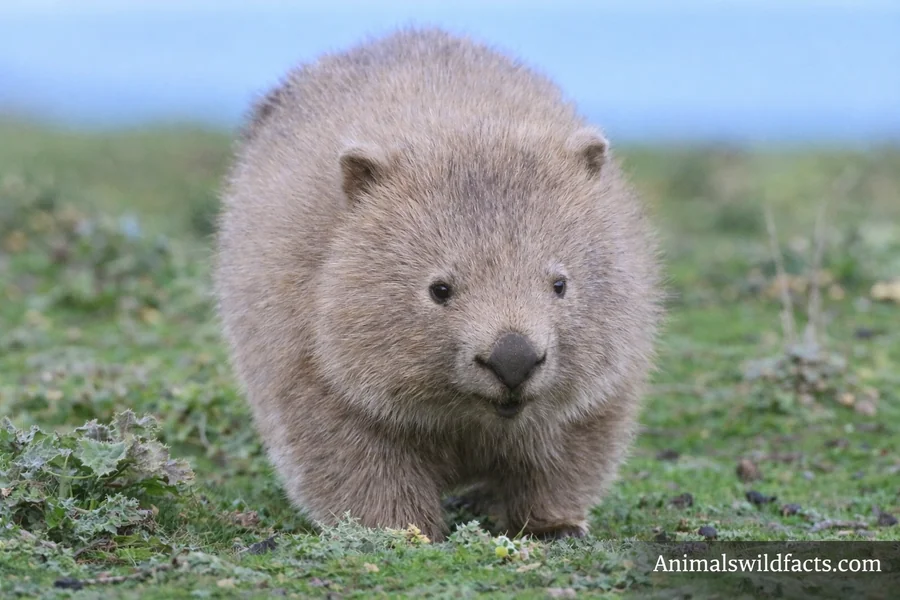
Wombats are marsupials having short legs and powerful claws. They live in Australia. These are animals that build long holes in the ground. Their short legs are speeding up soil. Wombats feed on grasses, roots and bark. Their teeth grow constantly. This is useful in the consumption of hard plants. Wombats are ground gravels. Their short legs keep them in touch with soil. But they are able to run short distances on alarm.
A wombat will tap his feet as a warning to those around him. They also seek refuge using burrows against predators. Their burrow holes are difficult to notice. Wombats dig tunnels inside which may extend several meters underground. These tunnels ensure that they are cool during summer. And warm in winter. Wombats live alone. Their heads are broad and their bodies are solid. Their muscular figure and short legs enable them to be excellent diggers. Majority of the day, they spend their time underground. Their existence is constructed with the help of earth and roots. The short legs assist them in surviving this secret world.
Fun facts: Wombats have cube-shaped poop, which helps mark territory without rolling away.
Read Also: Top 20 Animals With Long Tail
6. Groundhog
Scientific Name: Marmota monax
Class: Mammalia
Diet: Herbivore
Groundhogs or woodchucks are squab rodents with stumpy legs. These are legs that assist them in making deep burrows. Groundhogs are found in North America. They consume grasses, garden vegetables, and berries. their holes have an entrance and sleeping chambers and food storing chambers and escape chambers. Short legs have low bodies on the ground which is advantageous in digging tunnels. Ground hogs are mostly lonesome. During winter they go to sleep and feed on the fat they have stored. In the warm season they move about all day long. They have short legs that enable them to run into burrows fast in case danger is near.
Groundhogs can also swim well. They dig into the soil making the soil to be aerated benefiting the environment. They use whistles or chirps as a sign of danger. Groundhogs tend to be on their hind legs in order to keep an eye on the predators. They are not very big and have strong perseverance as they have small legs. Their holes can take several years. The short legs make them support their lifestyle of digging as well as their habits of alertness. These animals demonstrate how proximity to the earth may be an asset of survival.
Fun Facts: Groundhogs are excellent swimmers and can hold their breath underwater for up to 5 minutes.
7. Hedgehog
Scientific Name: Erinaceus europaeus
Class: Mammalia
Diet: Insectivore
Hedgehogs are small mammals that have short legs and round bodies. Their limbs are near to the ground thus enabling them to curl into a small ball in case of danger. Hedgehogs are found in Europe, Asia, and Africa. Insects, worms, and small fruits are some of the foods they consume. Their small legs assist them to move secretly through under-brush and fallen leaves. Hedgehogs are nocturnal. They have a powerful sense of smell with which they find food at night. They have short legs to dig shallow holes where insects are found.
During cold seasons, hedgehogs sleep in the leaves or logs. They possess protection by having spines on their back. They are foraging with small legs that prevent exposure to predators. They are lonely, speak with snuffles, grunts and squeaks. Hedgehogs too curl up into a ball as a means of protection against the predators. They are helpful with controlling the number of insects by burrowing and foraging. Hedgehogs have short legs so they are successful in the wild and suburbs. They are tiny, silent and efficient nocturnal predators.
Fun Facts: Hedgehogs can roll into a ball with spines pointing out to protect themselves from predators.
8. Platypus
Scientific Name: Ornithorhynchus anatinus
Class: Mammalia
Diet: Carnivore
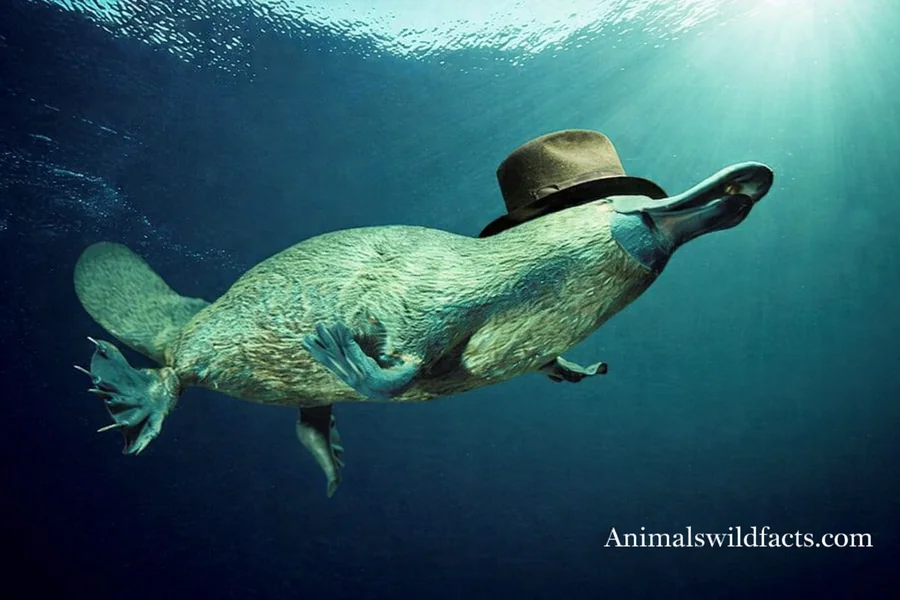
Platypus is a short-legged Australian mammal. Its legs are webbed in order to swim. Platypuses invest their time in the rivers and streams feeding on the insects, larvae and small crustaceans. They are also low to the ground with short legs on land which are best suited to digging burrows. They bore burrows under the banks of the rivers. Platypuses possess a bill which is flat and hence detects electric signals of prey. The short legs help them to remain near their burrows and move swiftly in water. They are mostly nocturnal.
Platypuses are single animals. Their legs are short and therefore walking on land is not easy, however they are good swimmers. Legs are the paddles and feet the rudders in water. Burrows can be several meters long and provide defense against predators. The webbed feet and short legs make them good adaptors in both aquatic and terrestrial settings. They are among the few mammals which lay eggs. Their individual river and stream adaptation includes short legs and compact bodies.
Fun Facts: Male platypuses have venomous spurs on their hind legs that can cause severe pain.
Read Also: Top 14 Animals with Big Eyes
9. Basset Hound
Scientific Name: Canis lupus familiaris
Class: Mammalia
Diet: Omnivore
Basset hounds are short legged dogs with long ears. They were reared in France to prey on small animals such as rabbits. The short legs maintain low noses to the ground and this assists them in scent tracking. They have long and muscular bodies. Basset hounds are good hunters in that they can be able to pursue the odor of a prey all day long without exhaustion. Little legs do not reduce them to laziness. They like taking walks and light exercise. They are outgoing dogs and tend to become attached to the family members. Their legs are short and therefore move slowly but surely.
Basset hounds possess large and floppy ears which hang over the ground and sweep up the scents. They have short legs that offer them a low center of gravity. They are able to move through uneven grounds without balance failure. They are very slow in movement but they are stubborn hunters. They have short legs enabling them to concentrate more on tracking scent and not speed. Basset hounds are easy-going and tolerant hence good pets. In their design, it is possible to observe how short legs are useful in hunting and companionship.
Fun Facts: Basset hounds’ droopy ears help sweep scents toward their nose while tracking.
10. Skunk
Scientific Name: Mephitidae
Class: Mammalia
Diet: Omnivore
Skunks are little mammals whose legs are short and their bodies are fat. Their short legs keep them very near the ground, and thus enable them to dig insects, worms, and small plants. Skunks are crepuscular and silent at night. The short legs also enable them to raise their bodies and spray predators with the protective chemicals.
Skunks are found in North and South America, where they are frequently found in forests, fields, or suburbs. They dig holes to shelter themselves. Short legs are good in foraging and digging. They speak in hisses and growls and they employ posture to warn predators. Skunks live alone except when it comes to mating. Their foraging and defensive ways have short legs. They are not fast in traveling long distances but are fast on their territory. Skunks also show that the short legs are beneficial in burrowing, stealth as well as defense. They dwell directly in the ground intertwining security with life.
Fun Facts: A skunk can spray its defensive scent accurately up to 10 feet away.
11. Tortoise
Scientific Name: Testudinidae
Class: Reptilia
Diet: Herbivore
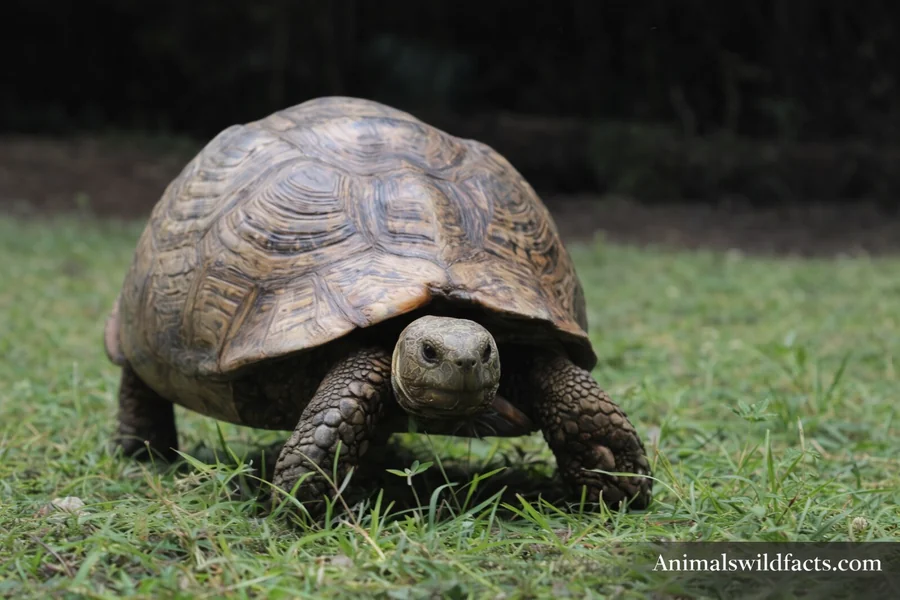
Tortoises are short bodied reptiles with short, thick legs. They have thick and column like legs that are meant to carry a heavy shell. Tortoises inhabit deserts, grasslands, and forests in the world. Their short legs ensure their stability to the ground and also to protect them. They take their time but they are consistent, saving on energy.
Tortoises feed on grasses, leaves, fruits and flowers. They also use their short legs to dig shallow burrows or shelters under rocks. The tortoises have powerful claws which help them to dig and to hold on to the soil. They use their shells to defend themselves and short legs allow them to find it easier to withdraw into the shell when they are threatened. Tortoises are solitary most. They possess great memory and they can move to favorite feeding grounds within a long distance. Small legs reduce the speed, but offer stability. This is effective in a creature that was designed to last long as opposed to being fast. Tortoises have a lifespan of decades or centuries. Their way of life indicates that short legs in conjunction with a strong body makes them fit to survive in the harsh environment. They graze without a commotion, they move slowly, and they excavate when necessary and short legs are a natural advantage.
Fun Facts: Some tortoises can live over 150 years in the wild.
Read Also: Top 17 Striped Animals in the World
12. Mole
Scientific Name: Talpidae
Class: Mammalia
Diet: Insectivore
Moles are little mammals that have short legs and spade-like feet. Their legs were constructed to dig. Moles almost spend their whole life underground. They build large systems of tunnels to prey on insects, worms and grubs. The fact that short legs hold their bodies low and close to the soil provides them with leverage to do digging. Moles are blind, but have good clawed and smelly noses to locate prey. They also have short legs enabling them to push soil effectively. They only come up when shifting to new grounds or to evade flood tunnels. Moles are lonesome and territorial. They interact through smell and sensation. Their way of life depends on short legs. They assist moles in their movement through tunnels without hitting the ceiling or scraping the walls.
The life of a mole is based on soil and insects. Their short legs make them strong and fast in digging and stable underground. Although moles are invisible to the majority of the population, they are important in the aeration of soil and control of pests in the soil. Their short legs are an ideal subterranean hunter.
Fun facts: Moles can dig up to 18 feet of tunnel in a single night.
13. Corgi
Scientific Name: Canis lupus familiaris
Class: Mammalia
Diet: Omnivore
Corgis are diminutive animals that have short legs and long bodies. They were reared in Wales to cattle herders. Long legs hold them low to the ground, and therefore allow them to tick cattle heels without being kicked. Their legs make them stable when they need to make a sudden turn and fast moves. Corgis are playful and smart. The absence of long legs does not keep them back. They like taking walks and having intellectual tasks.
Corgis are social and would develop strong attachment with family members. Herding and agility are assisted by short legs so that they can work safely with large animals. They are low-centered and do not fall when making rapid movements. Corgis are also alert and noisy and tend to bark in order to indicate movement or danger. Having short legs is what makes them such good herders and good companions. They have work, play and family life in one small and hardy package. They are constructed with short legs that can be functional, strong, and meaningful.
Fun Facts: Queen Elizabeth II owned over 30 corgis during her reign.
14. Komodo Dragon
Scientific Name: Varanus komodoensis
Class: Reptilia
Diet: Carnivore
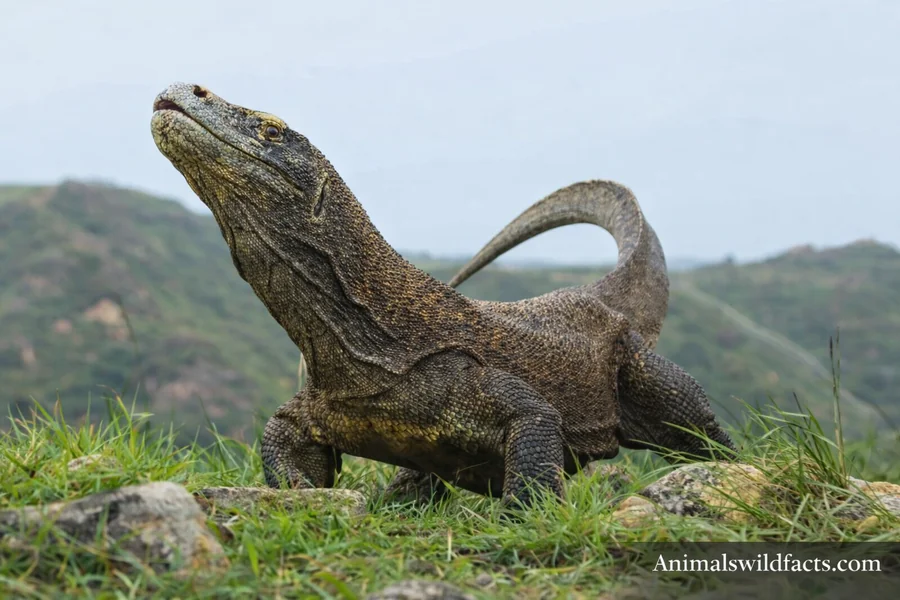
Komodo dragons are massive lizards that have short legs that are muscular. There is a heavy and powerful body resting on these legs. Indonesia has a few islands where Komodo dragons can be found. They hunt deers, swine, and water buffalo. Their short legs keep them near to the ground helping in stealth when they are tracking their prey. They use their powerful legs to push away when they are on the attack and to get over things.
Komodo dragons nest, and they lay eggs in their nests with their short legs and claws. They are lone hunters, and they patrol extensive areas. The short legs reduce speed in the long runs but provide bursts of power and ability in hunting. They also help in swimming over short distances in order to access new territories. Komodo dragons have their tongues to smell the air and locate their prey. They strike or grapple with prey on their short legs and are stable due to their wide stance. These lizards are strong and waiting predators. The long tails and short legs coupled with the bodies of muscular dragons contribute to the domination of the Komodo dragons in their environment. They demonstrate that power and strategy may co-exist with short legs.
Fun Facts: Komodo dragons can detect carrion from over 5 miles away using their forked tongue.
15. Seal
Scientific Name: Phocidae
Class: Mammalia
Diet: Carnivore
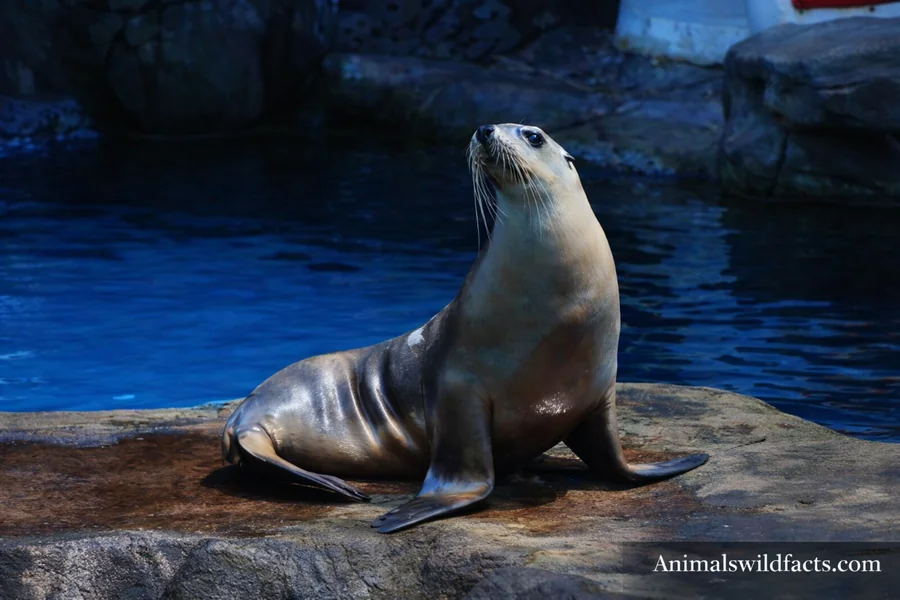
Seals are aquatic mammals whose legs are short and have the shape of flippers. They have legs designed to swim as opposed to walking. Seals on land travel slowly, either snorting like a wriggling worm or sliding on their backs. Short legs allow them to move in a swift manner in water. Seals feed on crustaceans, squids and fish. When they are swimming the short legs minimize drag and they therefore move easily through water. Their habitat is along the coast, Islands, and the ice. On land, short legs are used to keep seals close to the ground keeping them stable when taking a rest or breeding. During mating season they form colonies.
The seals crawl with the help of short legs on sandy or rocky bottoms or to dig shallow nesting places. They are communal creatures and express themselves through barks, grunts and claps. The aquatic life can be supported by short legs which allow them to swim powerfully but at the same time be used on land. Seals are excellent divers. Their streamlined bodies coupled with the short legs enable seals to prey in the deep water and endure the harsh conditions of the coast-line. They create a harmony between terrestrial and marine life and simple and functional anatomy.
Fun Facts: Seals can hold their breath underwater for more than 30 minutes while diving for food.
Read Also: Top 10 Animals Like Mongoose
16. Tasmanian Devil
Scientific Name: Sarcophilus harrisii
Class: Mammalia
Diet: Carnivore
Tasmanian devil is a short-legged marsupial which has strong legs. Its short legs ensure it remains close to the ground and thereby allows it to hunt and scavenge. The Tasmanian devils are found exclusively in Tasmania, Australia. They consume meat, such as the carrion, small mammals, birds, and insects. They are able to dig for food and shelter because of their short legs.
Tasmanian devils are strong jawed and sharp toothed meat eaters. They are mainly nighttime and lonely with the exception of meeting to feed. Their short legs make them stable when feeding on the carcass or when competing with their enemies. When they are about to warn people they growl and screech. They are small in size and have short legs to survive in the rough terrain and cold nights. They are able to run fast over short distances in spite of their size. Burrowing is also easy with short legs and this assists them to conceal themselves in crevices of rocks. Tasmanian devils are strong animals. Limited height and speed can be compensated by short legs, which offer power, stability, and food access below the ground. This renders them good predators and grazers.
Fun facts: Tasmanian devils can eat up to 40% of their body weight in one feeding session.
17. Prairie Dog
Scientific Name: Cynomys
Class: Mammalia
Diet: Herbivore
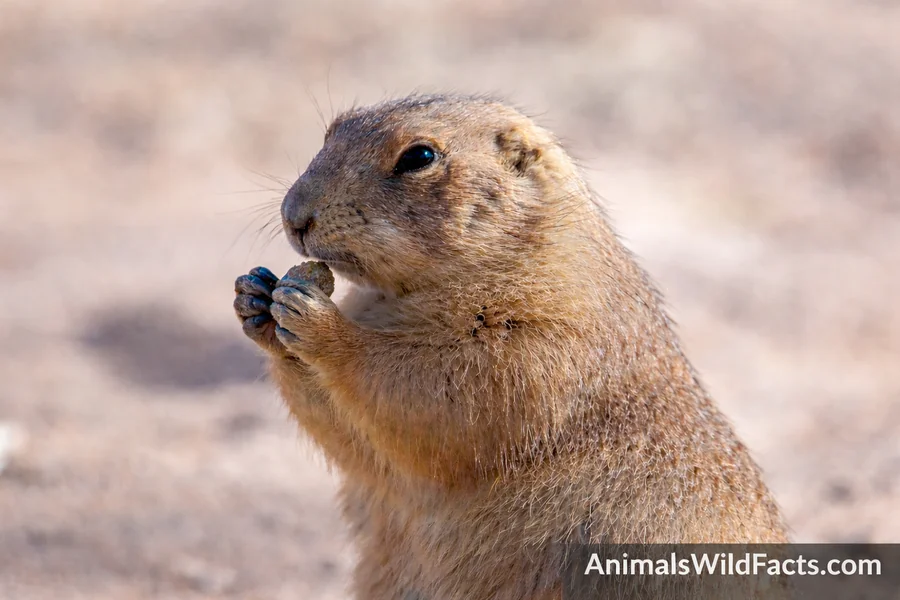
Prairie dogs are short legged rodents. They inhabit grasslands in North America and burrow deeply. Their short legs make them remain close to the earth in running, digging and watch keeping against predators. They consume grasses, seeds and roots. Prairie dogs are members of a society. Colonies, referred to as towns, have tunnels, nesting chambers, and lookout posts. The small legs allow easier excavation and movement of tunnels. They use high pitched calls to signal danger.
Prairie dogs are seen to emerge out of holes to survey the horizon and they have short legs that they use to dive fast into the earth. Birds of prey, coyotes and foxes are made harmless by their burrows. Digging and social life are sustained by short legs. They are open plains adapted low to the ground, herbivores that are efficient. Short legs make prairie animals fast, stable, and stealthy in the ground, although they are of small size. They are also one of the important species which manipulate the ecosystem through grazing and burrowing. They are held down, both literally and figuratively, by short legs.
Fun Facts: Prairie dogs have a unique “language” with different calls for specific predators.
18. Otter
Scientific Name: Lutrinae
Class: Mammalia
Diet: Carnivore
Otters are short legged mammals with streamlined bodies. They swim and dive with their webbed legs. Otters inhabit lakes, rivers, and coastal regions of the globe. Food they consume includes fish, crustaceans and small amphibians. Their short legs give them the advantage of moving around in the water fast and webbed feet are used as paddles. On land, they maintain a low stature of their bodies using their short legs, thus they are agile in shallow water or riverbanks. Otters nest in the burrows or banks near water forming what they term holt. Agile movement and quick turns during the process of catching prey are also made possible by short legs.
Otters are animals that play around and may go down the slope of a mud or snow. Their short legs do not retard them; they are active, efficient swimmers. To maintain fur waterproofing and insulation, they groom all the time. Swimming, diving, and burrowing are supported by short legs and indicate that size does not dictate the ability. Otters live in water and semi-water environments. Their short legs prevent them when necessary and keep them smooth in the water. They are an ideal combination of mischief, competence and survival.
Fun Facts: Sea otters use rocks as tools to crack open shellfish.
Read Also: Top 25 Animals That Eat a Lot
19. Sloth
Scientific Name: Folivora
Class: Mammalia
Diet: Herbivore
Sloths are mammals that have short legs and long claws. They are found in Central and South American rainforests. The short legs make them hang on the trees as they feed up on the leaves. The claws of theirs embrace trees. Sloths are slow and they save on energy. The short legs are advantageous because it is easy to move on trees and be attached to them. They consume leaves, shoots and fruit. Sloths are lonesome and spend the majority of their life in the canopy. Hanging, climbing and ground movement are supported by short legs.
Sloths are clumsy and slow on land, and are nimble in the trees. They fall down just to defecate or to pass between trees. Short legs ensure that the body is kept close to the branches and it does not strain. Sloths have low metabolism. The curved claws together with short legs are what enable them to survive within a resource-limited environment. They are also slow but have adapted well to forest life. Slender legs put them in safety, over and a-under in leaves.
Fun facts: Sloths can turn their heads almost 270 degrees to look for predators without moving their body.
20. Axolotl
Scientific Name: Ambystoma mexicanum
Class: Amphibia
Diet: Carnivore
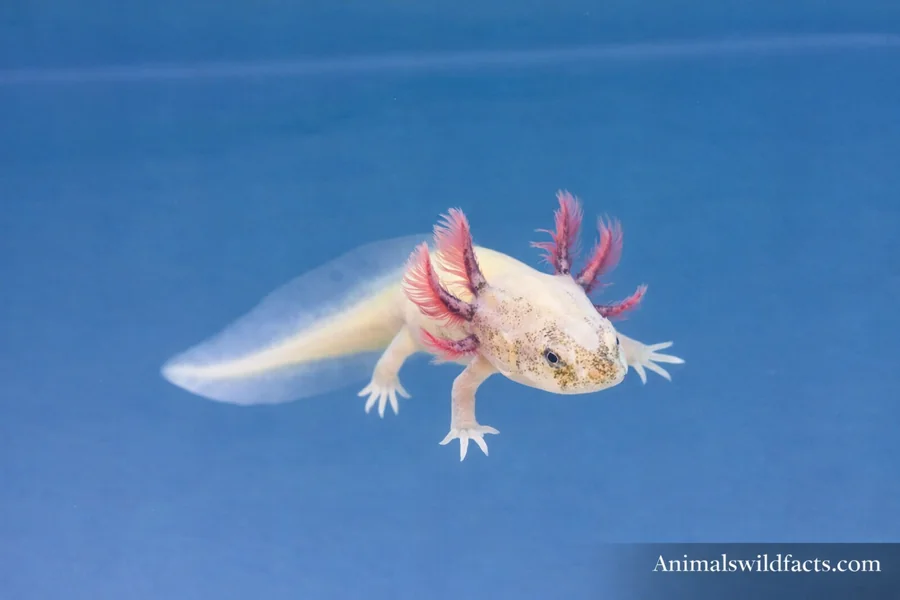
Axolotls are amphibians that possess short legs and have long bodies. Their habitat is Mexico City lakes and canals. Short legs maintain the bodies low to the substrate and this assists them in preying on small water creatures such as worms, insects and small fish. They do not lose their juvenile characteristics up to adulthood which is referred to as neoteny. Axolotls crawl slowly and steadily at the base of water bodies with the aid of short legs. They have strong legs and can use them to hold their position as they breathe under water using gills.
Axolotls are loners and like to be in shallow aquatic environments where there are plants or rock to hide. The short legs do not make life harder, as they are just made to crawl underwater and attack the victim. In case of loss of limbs, they regenerate. They are unique hunters in their habitat due to short legs and flexible body and tail. Axolotls can live in water having short legs and high expenditures of minimum energy. This demonstrates that short legs are not a disadvantage in a specialised setting.
Fun Facts: Axolotls can regenerate not just limbs, but also parts of their heart and brain.
Final Words
Animals with short legs may look small, slow, or awkward at first glance. But short legs are a strong adaptation and every species demonstrates this. Short legs assist animals to survive in their respective ways whether it be by digging underground or swimming very fast or to remain near the ground in order to be stable. They enable the penguins to move unimpeded in icy water, wombats to dig unharmed burrows in the ground and the axolotls to stalk the lake floor.
They do not have short legs–they are an evolutionally designed tool. These animals demonstrate that it is not necessarily how high or fast one is that he/she is strong, skillful, and able to survive. Short-legged animals live in their habitats whether on the ground, in the waters, or underground.
When watching these animals, it is possible to understand how nature can avoid all problems. The short legs serve as a reminder that there is a way of life even near the earth.
Read Also: Top 13 Animals That Live in Prairies
FAQs:
Q1: Why do there exist animals with short legs?
The adaptation to stay on is the short legs. They assist animals to dig, remain steadfast, move with ease on water or conserve energy near the surface.
Q2: Are animals with short legs slower than others?
Not always. Other short-legged animals such as penguins and otters travel fast in water. Agility, burrowing or stealth are used by others.
Q3: Does having short legs count as an advantage?
Yes. Short legs are also used to stay stable, support heavy bodies, dig, as well as being used to keep both predators and prey within their habitat.
Q4: Do all animals with short legs live on land?
No. Others such as penguins, seals, otters and axolotls inhabit the water or semi-aquatic environments, in which short legs enhance swimming and maneuverability.
Q5: Do we face a short legged endangered animal?
Others are, such as the axolotl and Komodo dragon, in consequence of the loss of habitat, as well as by human action. There are those such as corgis or dachshunds who are domestic animals.