Top 14 Thickest Skin Animals in The World (With Images)
In this article, we will explore the Thickest Skin Animals in The World, delving into their incredible adaptations and the roles their formidable skin plays in survival. Understanding these remarkable creatures not only sheds light on evolutionary biology but also highlights the resilience of life in extreme conditions. Get ready to discover the fascinating world of nature’s most robust inhabitants.
List of Thickest Skin Animals in The World
Below is the list of animals that have thick skin:
| Number of Animals | Names of Animals with Thick Skin |
| 1 | Elephant |
| 2 | Rhinoceros |
| 3 | Hippopotamus |
| 4 | Honey Badger |
| 5 | Blue whale |
| 6 | Armadillo |
| 7 | Walrus |
| 8 | Crocodile |
| 9 | Bison |
| 10 | Grizzly bear |
| 11 | Camel |
| 12 | Whale Shark |
| 13 | Wild Boar |
| 14 | Sperm Whale |
Elephant
Class: Mammalia
Diet: Herbivore
Elephants are not just giants of the animal kingdom; they’re also fascinating cases of evolutionary adaptation. The thickness of an elephant’s skin, measuring up to 2.5 centimeters in some regions, plays a crucial role in their survival. This remarkable barrier serves dual purposes: it protects against environmental extremes while offering a formidable defense against predators. Interestingly, while their skin may seem impenetrable, it’s riddled with thousands of tiny pores that help to regulate body temperature and maintain hydration, showcasing nature’s clever engineering.
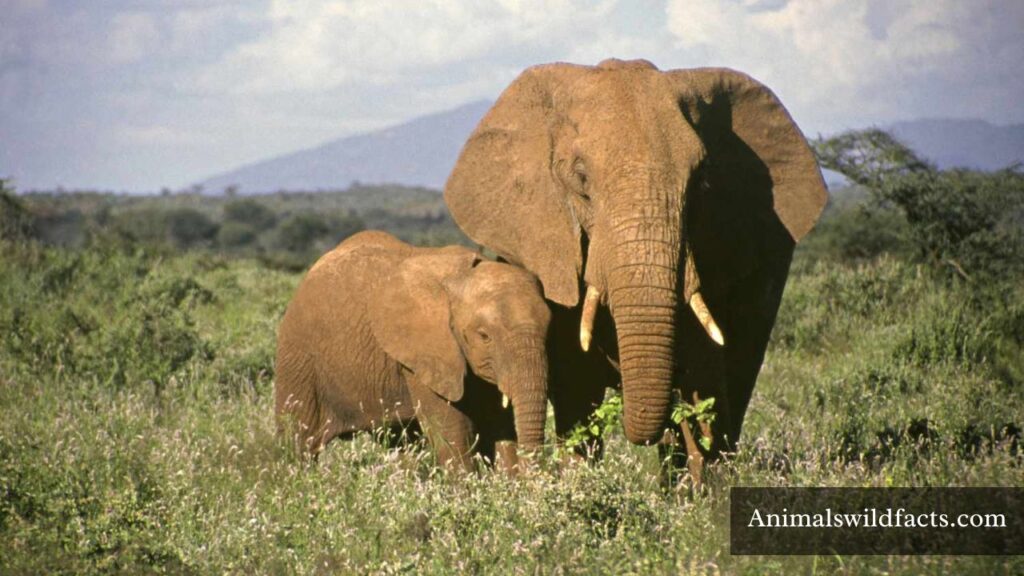
Moreover, the texture of their skin is not only a shield but also a sensory surface. Elephants have a rich tapestry of nerve endings that make their skin highly sensitive to touch, allowing them to communicate through subtle gestures and vibrations. When they wallow in mud or dust, it’s not simply for fun or to cool off — it’s a sophisticated strategy to prevent sunburn and insect bites. Each wrinkle and fold is a testament to their adaptability, revealing a complex relationship between their physical attributes and the environments they inhabit.
Rhinoceros
Scientific name: Rhinoceros unicornis
Class: Mammalia
Diet: Herbivore
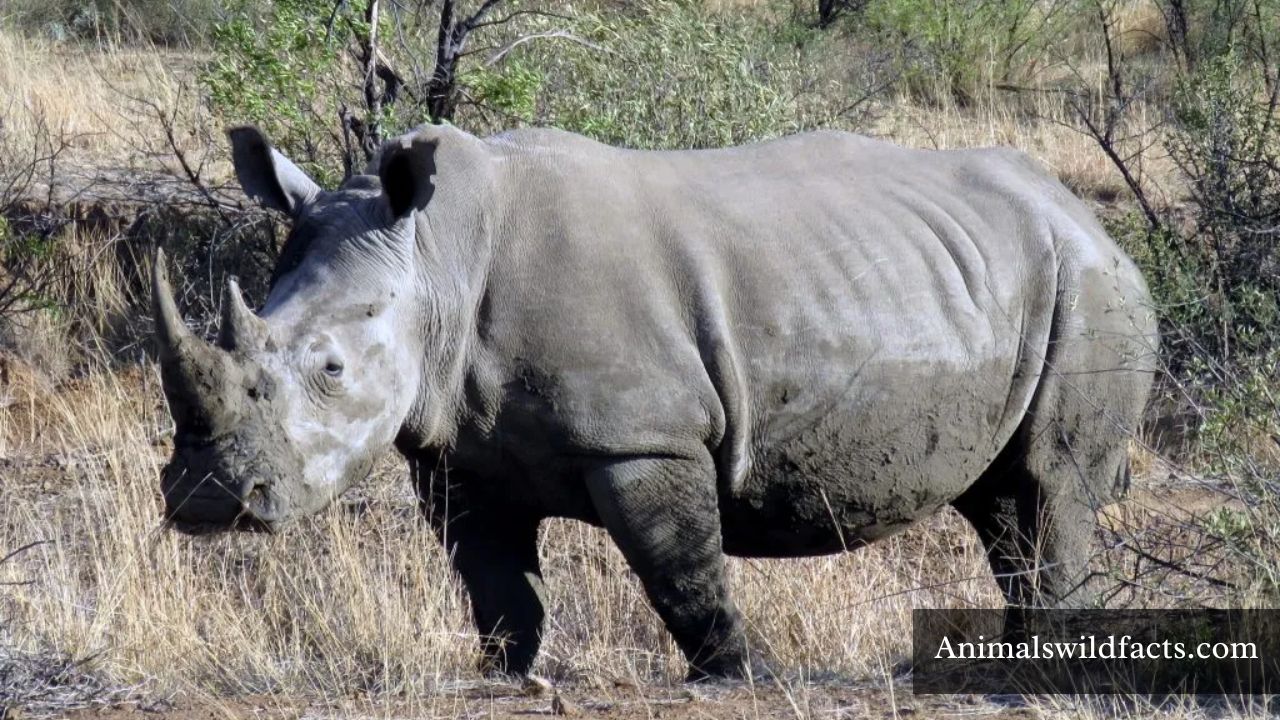
Rhinoceroses are remarkable examples of evolution’s ingenuity, sporting thick skin that serves as both armor and a testament to their resilience in the wild. This formidable protection, made up of layers of collagen, can measure up to two inches thick, effectively safeguarding them against predators and the harsh environments they inhabit. Yet, it’s not just brute strength; their skin is surprisingly sensitive. Rhinos often rely on touch and sensory perception, using their skin to communicate and explore their surroundings.
Interestingly, this thick skin is also a canvas for an intricate ecosystem. Tiny organisms, such as ticks and beetles, flourish in the crevices, helping to manage the rhino’s skin health. In a symbiotic relationship, these little critters provide cleaning services in exchange for a safe habitat. The rhino’s skin plays a crucial role in thermoregulation, preventing overheating in their sun-drenched habitats. The thick skin, while appearing impenetrable, thus showcases a delicate balance between strength and vulnerability — offering a deeper understanding of these magnificent creatures beyond their imposing exterior.
Hippopotamus
Scientific name: Hippopotamus amphibius
Class: Mammalia
Diet: Herbivore
The hippopotamus, often overlooked in discussions about thick-skinned animals, is a fascinating marvel of evolution. Far from being mere defenders against physical threats, their remarkably thick skin serves multifaceted purposes. This skin, which can be up to 2 inches thick, provides not only protection from predators but also acts as a barrier against dehydration. Unlike many terrestrial creatures, hippos spend a significant part of their lives submerged in water, where their skin must retain moisture while resisting sunburn.
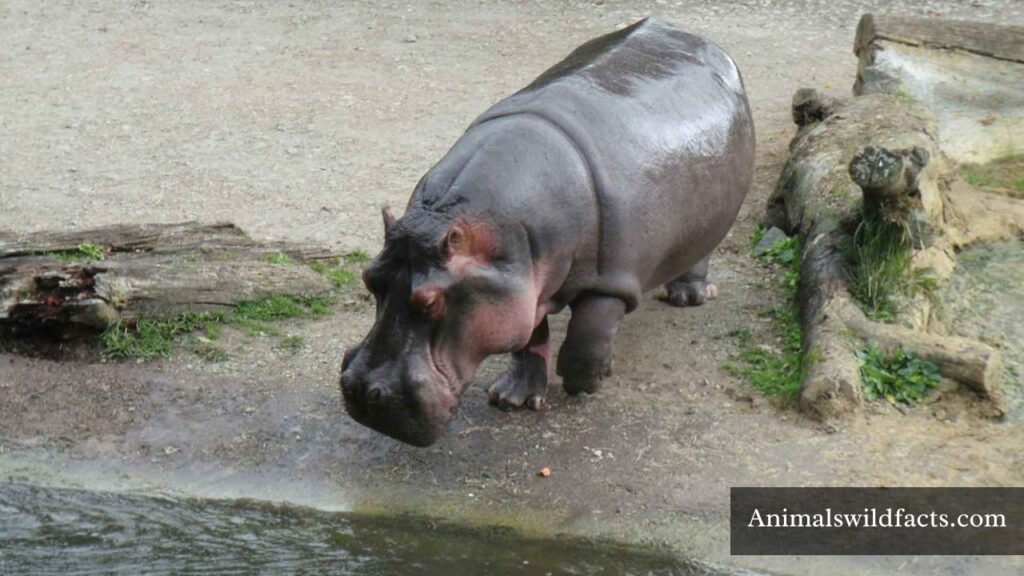
What truly sets hippos apart is the unique properties of their epidermis. It secretes a natural sunscreen, a reddish oily fluid that not only hydrates but also protects against harmful UV rays. This adaptation reveals an evolutionary brilliance: by combining functionality with environmental demands, hippos have mastered survival in both aquatic and terrestrial realms. Observing hippos lazing in the sun, you can witness this skin’s dual role; it’s a shield and a moisturizer, demonstrating nature’s ingenuity in overcoming the challenges of their varied habitats.
Honey Badger
Scientific name: Mellivora capensis
Class: Mammalia
Diet: Omnivore
The honey badger, often dubbed the “most fearless animal on Earth,” possesses a remarkably thick and tough skin that serves as its primary line of defense against predators and challenges in its environment. This durable armor permits the honey badger to stroll into the dens of venomous snakes and not flinch when bitten, thanks to its ability to withstand potentially fatal encounters. The skin, laden with layers of collagen fibers, not only protects against punctures but also helps in regulating body temperature in the African and Asian habitats it frequents.
What truly sets the honey badger apart is its extraordinary tenacity. The thick skin acts as an extension of its fierce personality, embodying resilience in the wild. When threatened, this pint-sized powerhouse won’t hesitate to unleash its wrath, showcasing both cunning and strength in a clever fighting style that can turn the tide against animals much larger than itself. This natural armoring, combined with its intelligence and adaptability, makes the honey badger not just a survivor, but an iconic embodiment of the wild’s relentless spirit.
Blue whale
Scientific name: Balaenoptera musculus
Class: Mammalia
Diet: Carnivore (krill)
The blue whale, the largest animal known to have ever existed, boasts a thick layer of blubber that serves more than just insulation against frigid marine waters; it acts as a crucial buoyancy aid. This massive blubber can measure up to 12 inches in thickness, contributing to the whale’s staggering weight of nearly 200 tons. Unlike traditional skin, this adipose tissue is a powerhouse of energy storage, allowing blue whales to survive long migrations where food may be scarce.
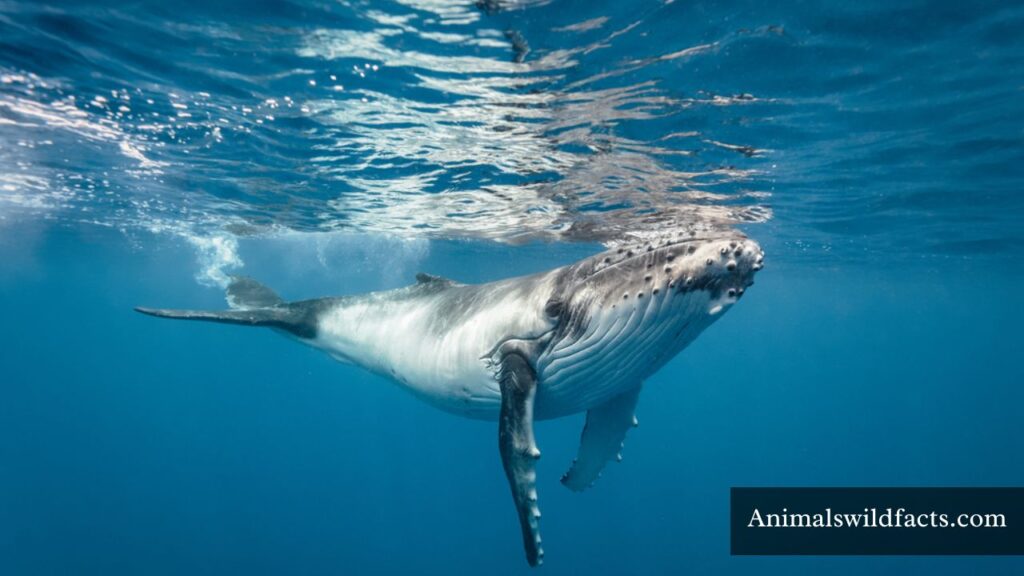
Moreover, the thick skin serves as a barrier against various oceanic threats. Ranging from sharp-edged icebergs in polar regions to parasitic barnacles that cling to their bodies, this robust protective layer limits injury and infection. Interestingly, scientists are increasingly studying the unique microbial communities that thrive on the whales’ skin, which may play roles in health and immune function. Each blue whale carries a unique ‘microbiome’ that not only reveals insights into its evolution but could also unlock secrets about the ecosystem’s health.
Armadillo
Scientific name: Dasypus novemcinctus
Class: Mammalia
Diet: Omnivore
The armadillo, often known for its unique armor-like shell, is a fascinating example of how thick skin can be an evolutionary advantage. This remarkable creature, primarily found in the Americas, uses its tough exterior not just for protection against predators but also as a barrier to withstand environmental stresses. When threatened, it can roll into a ball, showcasing its defensive strategy, which is both a marvel of nature and a testament to its survival instincts.
Beyond its armor, the armadillo’s skin serves another intriguing purpose — thermoregulation. The thick, protective skin helps mitigate heat loss, allowing these nocturnal foragers to thrive in diverse habitats, from grasslands to forests. Moreover, their unique physiology enables them to dig burrows with remarkable efficiency, showcasing the versatility that such adaptations afford.
Walrus
Scientific name: Odobenus rosmarus
Class: Mammalia
Diet: Carnivore
The walrus, with its distinctive tusks and impressive blubber, is a marvel of adaptation. Their thick skin, reaching up to three inches in places, serves multiple purposes: it not only provides insulation against frigid Arctic waters but also acts as a protective layer against predators and harsh environmental elements. This skin, laden with collagen and elastin, is a testament to the walrus’s resilience in one of the harshest climates on Earth.
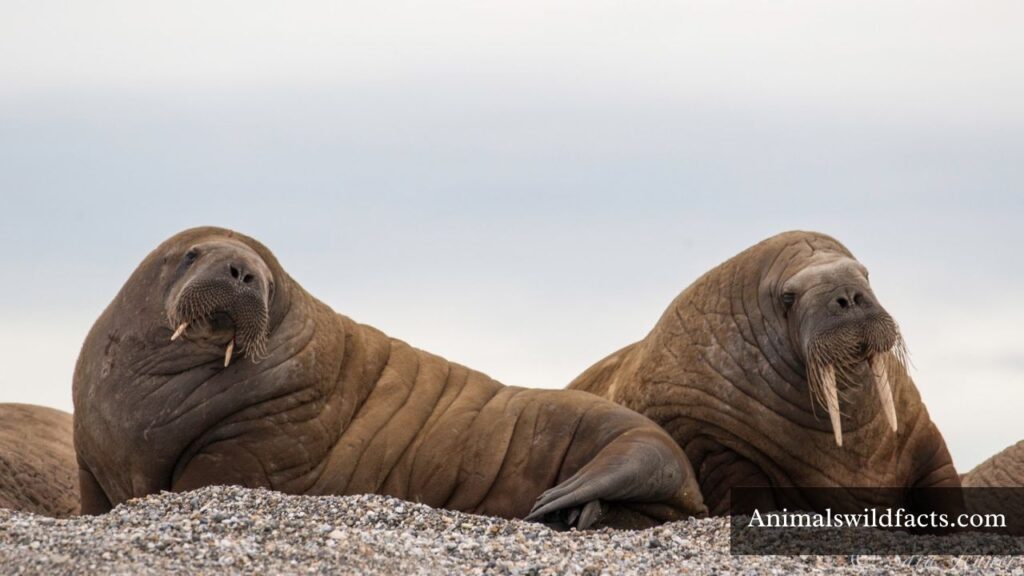
But there’s more to the walrus than just thick skin. Beneath this tough exterior lies a complex social structure, where these marine mammals gather in large groups known as herds. Their interactions are as fascinating as their physical traits; they communicate through a series of barks and bellows, displaying a rich social life that challenges the notion of the solitary sea creature.
Crocodile
Scientific name: Crocodylus porosus
Class: Reptilia
Diet: Carnivore
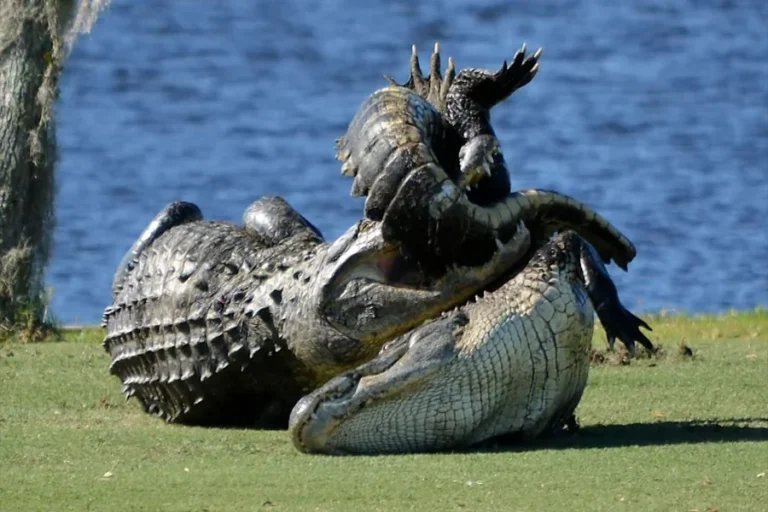
Crocodiles are not just ancient predators; their thick skin serves as a remarkable evolutionary adaptation that has helped them survive for millions of years. This tough armor, composed of bony plates called osteoderms, provides protection against predators and environmental hazards. These hardened scales also play a role in regulating body temperature, allowing crocodiles to bask in the sun without overheating.
Beyond their formidable exterior, the skin of a crocodile has unique sensory capabilities. Embedded within its armored surface are specialized nerve endings, sensitive to even the slightest vibrations in the water. This heightened sensory perception allows crocodiles to detect prey from considerable distances, transforming their tough skin into a tool of survival rather than just a defense mechanism. In a world where evolution often prioritizes offense, the crocodile’s thick skin exemplifies the intricate balance of protection and perception in the animal kingdom.
Bison
Scientific name: Bison bison
Class: Mammalia
Diet: Herbivore
Bison, the majestic giants of the North American plains, boast thick skin that serves as both armor and adaptation. This remarkable integument not only protects them from harsh weather conditions but also acts as an essential defense against predators. Their skin, up to two inches thick in places, is a fascinating evolution tailored for survival, allowing bison to thrive in environments that can swing from sweltering heat to frigid cold.
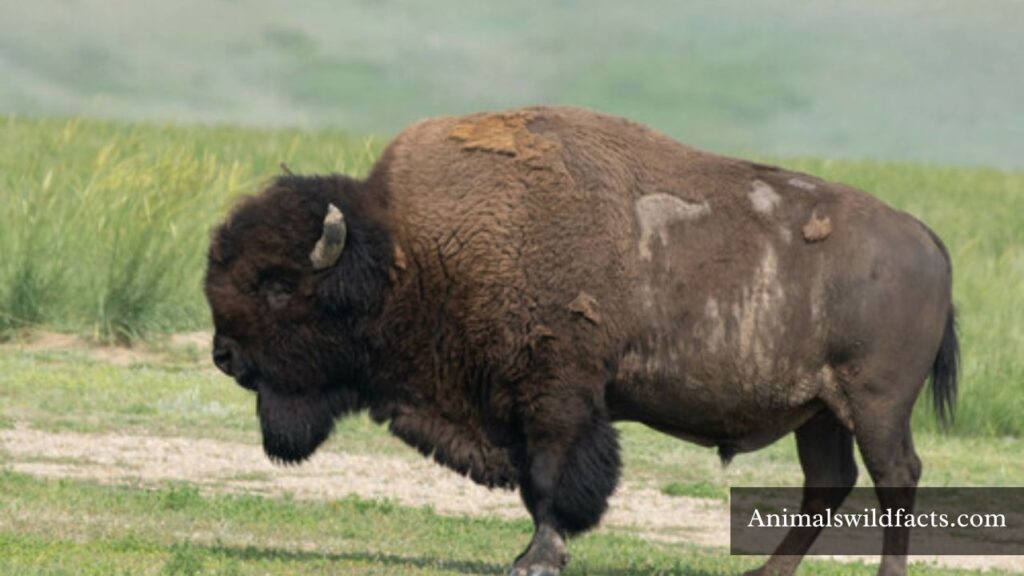
Interestingly, the texture of bison skin is designed to reduce damage from the rugged terrain they roam. The numerous coarse hairs provide some insulation while adding an extra layer against abrasions, which is crucial for these massive herbivores as they navigate through grasses and brush. Moreover, their skin has remarkable healing properties, minimizing the risk of infection from cuts or injuries acquired during their daily foraging and social interactions.
Grizzly bear
Scientific name: Ursus arctos horribilis
Class: Mammalia
Diet: Omnivore
The grizzly bear, with its formidable stature and iconic hump, possesses skin that is both tough and resilient, a crucial adaptation to its rugged environment. This thick skin acts as a natural armor, protecting the bear from the harsh elements and the myriad of thorns and sharp debris found in its forest habitat. Yet, what’s fascinating is how this adaptation does more than fend off physical threats; it plays a role in social dynamics among bears, allowing them to engage in physical confrontations with reduced risk of injury.
Moreover, the grizzly’s skin serves a dual purpose in thermoregulation. Beneath the thick fur lies a layer of fat that, coupled with its skin, helps insulate against the frigid temperatures of the bear’s northern habitat. This incredible biology allows the grizzly to maintain energy levels during long winters when food is scarce. As they hibernate, their thick skin ensures that they endure the freezing conditions in relative comfort, an evolutionary triumph that speaks to nature’s genius in design.
Camel
Scientific name: Camelus dromedarius
Class: Mammalia
Diet: Herbivore
Camels, often dubbed the “ships of the desert,” showcase one of nature’s most remarkable adaptations: their thick skin. This tough exterior serves a dual purpose — not only safeguarding them from harsh environmental conditions, such as searing sun and biting sand, but also providing a barrier against parasites that thrive in arid climates. Camels possess a unique ability to tolerate temperature fluctuations, allowing their skin to reach high temperatures during the day without overheating. This remarkable physiological adaptation minimizes the need for sweating, conserving precious water supplies in their arid habitats.
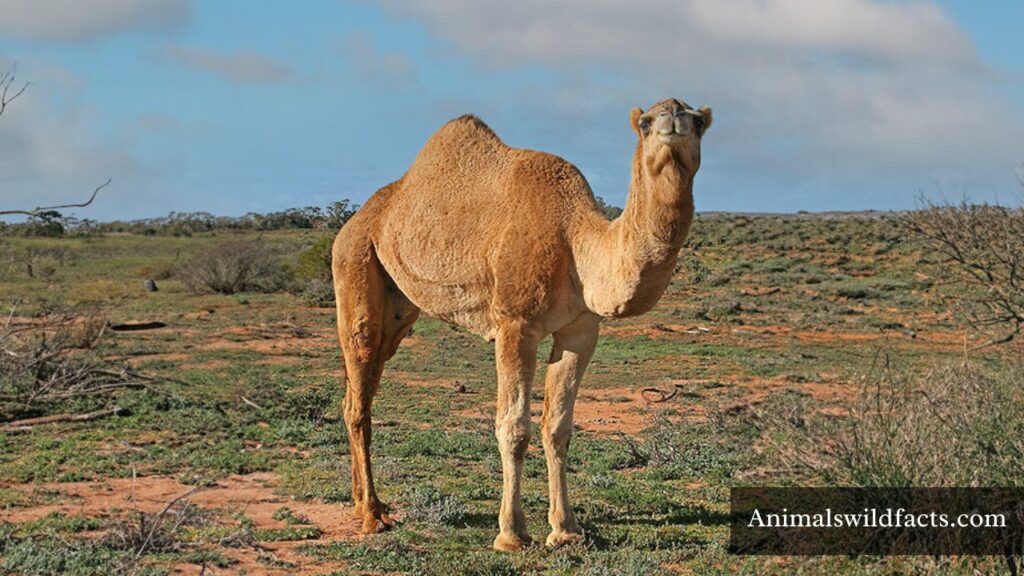
Their thick skin is laden with a layer of fat that acts as insulation, enabling camels to thrive in extreme temperatures, from scorching days to frigid nights. This remarkable resilience fosters a deeper appreciation for their role in human culture and history; for centuries, these animals have been vital for trade and transportation across the unforgiving landscapes of the Middle East and North Africa.
Whale Shark
Scientific name: Rhincodon typus
Class: Chondrichthyes
Diet: Carnivore (filter feeder)
The whale shark, the ocean’s gentle giant, boasts skin that can be up to 4 inches thick, making it one of the most remarkable adaptations in the animal kingdom. This impressive layer not only provides protection from predators but also serves a vital role in the shark’s unique feeding strategy. By filtering plankton and small fish through its gills, the whale shark harnesses the richness of the ocean while its robust skin helps withstand the stresses of a dynamic marine environment.
Moreover, the texture of whale shark skin is fascinating; it’s covered with tiny dermal denticles, resembling teeth, that reduce drag as the shark glides through water. This evolutionary design not only aids in swimming efficiency but also protects against abrasions from rougher ocean surfaces. While one might think of thick skin as a mere defense mechanism, in the case of the whale shark, it exemplifies how nature’s designs intertwine utility and grace, enabling these magnificent creatures to thrive in their vast aquatic realm.
Wild Boar
Scientific name: Sus scrofa
Class: Mammalia
Diet: Omnivore
The wild boar, with its formidable presence, showcases one of nature’s most resilient adaptations — thick, coarse skin. This robust feature not only serves as a shield against sharp thorns and rough terrains but also acts as a barrier against harsh environmental conditions. Their skin’s dense matrix of collagen fibers helps them navigate through dense underbrush, where other animals might struggle. Interestingly, this toughness doesn’t prevent them from being sensitive; wild boars possess a keen sense of touch in their skin, making them acutely aware of their surroundings even in the thickest foliage.
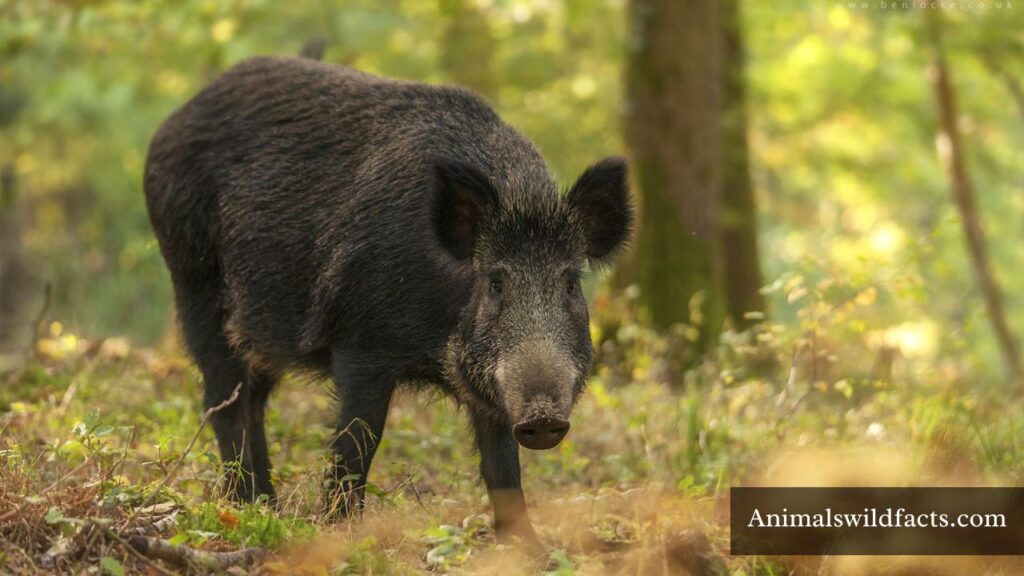
Moreover, the thick skin of the wild boar plays a pivotal role in their social dynamics. In battling for dominance or mating rights, these creatures often engage in fierce physical confrontations. Their resilient hide decreases the severity of injuries during such encounters, allowing these powerful animals to participate in these contests more frequently without suffering too much damage. The wild boar’s skin also sheds water, helping them stay cooler in hot climates while minimizing moisture loss when foraging in arid environments. This duality of protection and adaptation illustrates how wild boars exemplify the intricate balance between strength and survival.
Sperm Whale
Scientific name: Physeter macrocephalus
Class: Mammalia
Diet: Carnivore
The sperm whale, renowned for its colossal size, possesses a unique adaptation: its thick skin, which can measure up to 30 centimeters in certain areas. This robust exterior serves multiple purposes, including protection against the frigid waters of the deep ocean and the hefty pressure encountered during its remarkable dives, often reaching depths of over 2,000 meters. The thick skin not only provides insulation but also helps in minimizing water resistance, allowing these giants to glide effortlessly through the depths.
The sperm whale’s skin is home to a plethora of microorganisms, playing a crucial role in its health. These tiny organisms help maintain skin integrity and protect against infections, demonstrating a fascinating relationship between host and microflora.
Readmore: Explore Top 25 Most Energetic Animals.
Final Thoughts
The animals with the thickest skin showcase remarkable adaptations that allow them to thrive in various environments. From the resilient rhino to the formidable hippo, each species has evolved a unique set of defenses against predators and harsh elements. Thick skin not only offers physical protection but also plays a critical role in maintaining body temperature and hydration. As we continue to study and admire these extraordinary animals, it’s crucial to support conservation efforts that ensure their future. Join us in spreading awareness and taking action to protect these incredible species for generations to come.
FAQs
What animal has the thickest skin?
The animal with the thickest skin is actually the sperm whale. Their skin can reach up to 14 inches in thickness, which helps protect them from the intense pressure of deep ocean waters and predatory threats. Sperm whale skin also serves as a barrier against temperature changes and environmental elements.
What animal has the toughest skin?
Crocodiles have some of the toughest skin in the animal kingdom. Their hide is made up of tough, scaly plates called osteoderms, which provide excellent protection against predators and environmental challenges. These scales are not only hard but also resistant to damage, making it difficult for most threats to penetrate.