Explore Top 12 Animals with Shells (With Images)
Animals with shells play a crucial role in our ecosystems, offering protection and stability in various environments. This article delves into the fascinating world of shelled animals, revealing their unique adaptations and contributions to biodiversity. By exploring their lives, you’ll gain a deeper appreciation for these remarkable beings and the importance they hold in our natural world.
List of Animals with Shells
Here is the list of animals that have shells:
| Number of Animals | Names of Animals with Shells |
| 1 | Common Snapping Turtle |
| 2 | Garden Snail |
| 3 | King Crab |
| 4 | Horseshoe Crab |
| 5 | Gopher Tortoise |
| 6 | Nine Banded Armadillo |
| 7 | Conch |
| 8 | Nautilus |
| 9 | Oysters |
| 10 | Texas Ironclad Beetle |
| 11 | Pond Slider |
| 12 | Giant Clam |
Common Snapping Turtle
Scientific name: Chelydra serpentina
Class: Reptilia
Diet: Omnivore
The common snapping turtle, known for its formidable beak and powerful jaws, is more than just a relic of prehistoric times; it plays a vital role in its ecosystem. Found primarily in freshwater habitats across North America, these turtles are opportunistic feeders, consuming everything from aquatic vegetation to fish and even carrion. Their role as scavengers helps maintain the ecological balance, preventing overpopulation of certain species and promoting a healthy environment.

Interestingly, the snapping turtle’s shell, while strong, is not as heavy as one might expect. This allows for a surprising degree of agility in the water. Their shells provide both protection and a surprising camouflage among the riverbed debris, allowing them to ambush prey effectively. Furthermore, these turtles can hold their breath for extended periods, enabling them to lie in wait without drawing attention — an impressive adaptation that showcases their hunting prowess. Understanding the snapping turtle’s unique adaptations offers a deeper appreciation for its role in maintaining the biodiversity of its habitat.
Garden Snail
Scientific name: Cornu aspersum
Class: Gastropoda
Diet: Herbivore
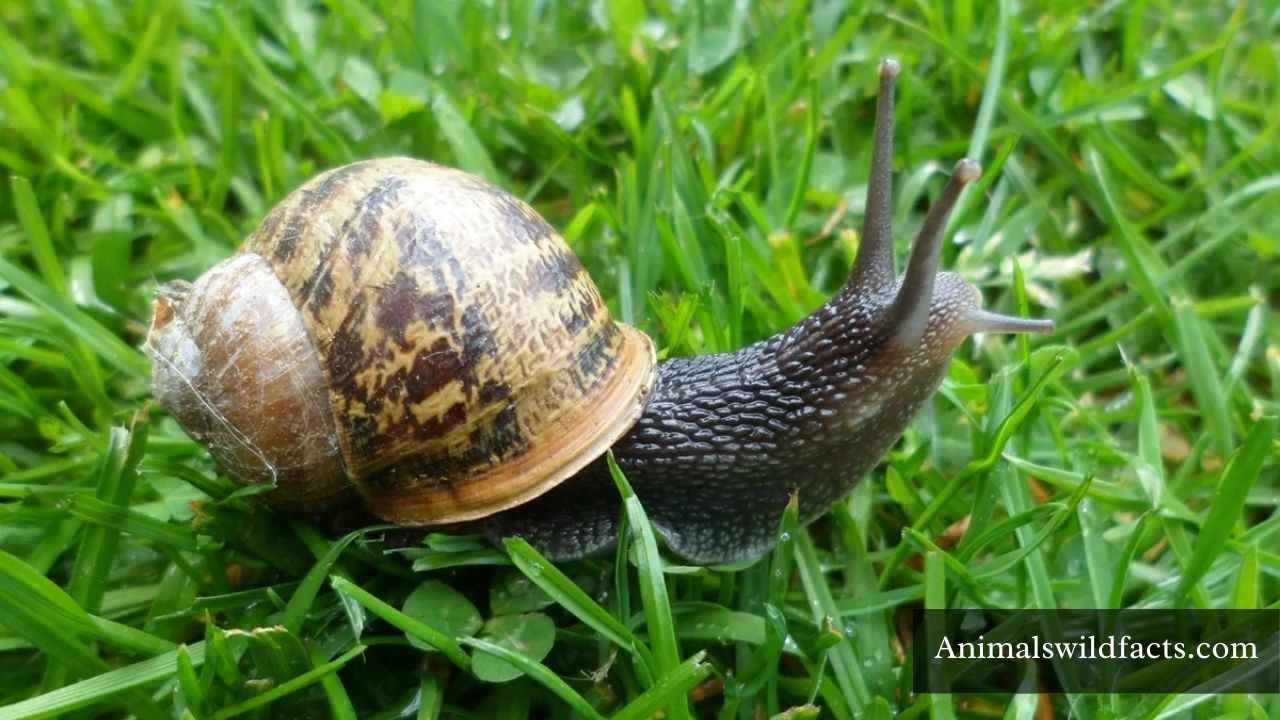
The garden snail, a humble creature often overlooked, boasts a fascinating lifestyle that offers a glimpse into the complexity of nature. Beyond their slow, meandering ways, these mollusks possess a remarkable ability to adapt to various environments. Their coiled shells, a hard protective fortress, not only provide a physical barrier against predators but also serve as a home for vital moisture — essential in their often arid habitats. This unique shell structure is composed of layers of calcium carbonate, which they meticulously build from nutrients found in their surroundings, displaying a striking example of nature’s resourcefulness.
Despite their sluggish pace, garden snails are equipped with an impressive radar for survival. Their keen sense of smell plays a significant role in locating food, which mainly consists of decaying plant material. Surprisingly social, these snails communicate through chemical signals in their slime trails, leaving behind a story that only their kind can read. When the conditions become harsh, they can enter a state of dormancy, sealing themselves inside their shells with a layer of mucus to conserve moisture — a remarkable survival tactic that reflects the garden snail’s resilience in fluctuating environments.
King Crab
Scientific name: Paralithodes camtschaticus
Class: Malacostraca
Diet: Omnivore
The king crab, known for its impressive size and culinary fame, is more than just a sought-after delicacy; it’s a fascinating creature that embodies the complexities of marine life. Found mainly in the cold waters of the Bering Sea, these crustaceans employ their massive, spiny shells not just for protection but also as a means of camouflage. Their hard, armored exterior helps them evade predators, while the red-orange hue of their shell can blend seamlessly with the rocky seafloor, making them less noticeable to both enemies and unsuspecting prey.

Beyond their imposing appearance, king crabs exhibit intriguing social behaviors. They often display a mix of territoriality and community, with males engaging in elaborate courtship rituals during mating seasons that involve spectacular displays of strength. This dance not only attracts mates but also reaffirms dominance among rivals, underscoring the complex social structure of these creatures. Furthermore, king crabs contribute significantly to their ecosystems as scavengers, helping to maintain the balance of their underwater environments through their feeding habits.
Horseshoe Crab
Scientific name: Limulus polyphemus
Class: Merostomata
Diet: Carnivore
The horseshoe crab, despite its name, isn’t a true crab but rather a living fossil, dating back over 450 million years. This creature boasts a hard, horseshoe-shaped shell that provides armor against predators while also serving as a vital part of its unique anatomy. Beneath this shell lies a mesmerizing world of blue blood, rich in a substance called hemocyanin, which gives it the ability to detect bacterial infections. This remarkable trait has made horseshoe crab blood an essential component in the medical industry, particularly for testing sterile environments.
What’s striking is their lifecycle: horseshoe crabs migrate to sandy shores to spawn, where they lay thousands of eggs. These eggs, rich in nutrients, are critical for the survival of numerous shorebirds during their migration. In a fascinating twist of evolution, horseshoe crabs highlight the interconnectedness of species and ecosystems. As they traverse their ancient habitat, these creatures reveal secrets of resilience and adaptation, reminding us how vital every organism is to our planet’s health.
Gopher Tortoise
Scientific name: Gopherus polyphemus
Class: Reptilia
Diet: Herbivore
The Gopher Tortoise, a unique burrowing species endemic to the southeastern United States, is not just another shelled creature; it plays a pivotal role in its ecosystem. These tortoises construct extensive burrows that can stretch up to 40 feet in length, providing a sanctuary for many other animals, including rattlesnakes and rabbits. This symbiotic relationship offers a fascinating perspective on how one species can shape an entire community, transforming the sandy soils they inhabit into biodiverse hubs of life.

What makes the Gopher Tortoise especially captivating is its remarkable adaptability. This tortoise doesn’t merely survive; it thrives in the often harsh, dry environments of Florida and Georgia, where fire is a natural occurrence. Its diet comprises a variety of native plants, helping to maintain the health of the ecosystem. As a keystone species, the Gopher Tortoise exemplifies resilience, demonstrating that even in the face of habitat destruction and climate change, the intertwined fates of species underscore the fragility and beauty of nature. As we work towards protecting such vital species, we must also recognize the hidden connections that bind us to them, urging a deeper appreciation for the natural world.
Nine Banded Armadillo
Scientific name: Dasypus novemcinctus
Class: Mammalia
Diet: Omnivore
The Nine-Banded Armadillo, a fascinating creature found predominantly in the southeastern United States, showcases a unique blend of adaptability and resilience. Often mistaken as a distant relative of reptiles, this intriguing animal is actually a mammal, featuring a protective shell composed of bony plates covered by a hard skin. This armor is not just for show; it serves as an effective defense mechanism against predators, allowing the armadillo to roll into a tight ball when threatened. However, unlike other armored animals, the Nine-Banded Armadillo can also dig with remarkable speed — an ability that helps it escape danger and forage for insects and grubs in the soil.
What sets the Nine-Banded Armadillo apart from other shelled creatures is its fascinating reproductive strategy. The species is known for its unique method of giving birth to identical quadruplets, each encased in a separate skin pouch within the mother’s body until they are ready to emerge. This ensures a high survival rate in their unpredictable environments, where they face threats from both nature and human expansion.
Conch
Scientific name: Strombus gigas
Class: Gastropoda
Diet: Herbivore
The conch, often celebrated for its vibrant colors and intricate spiral shape, is more than just a beautiful shell; it’s a treasure trove of ecological significance. Found in tropical and subtropical waters, these mollusks play a vital role in marine ecosystems. Their grazing habits help control algae growth on seagrass beds, promoting a healthier underwater habitat for various marine species.

Interestingly, conchs have a fascinating life cycle that captivates researchers and beachcombers alike. Young conchs start out in floating larval forms, drifting with ocean currents before settling to the seabed to grow into their distinctive shells. This developmental journey not only adds a layer of complexity to their biology but also underscores the importance of ocean currents in their life cycle.
Nautilus
Scientific name: Nautilus pompilius
Class: Cephalopoda
Diet: Carnivore/Scavenger
The nautilus, often dubbed the “living fossil,” exemplifies the incredible resilience of nature. With its beautifully spiraled shell, this cephalopod has survived for millions of years, untouched by the tides of evolution that shaped many other marine species. The nautilus’s shell isn’t just a pretty exterior; it serves as a complex buoyancy control system, allowing it to navigate the depths of the ocean with grace and precision.
What truly sets the nautilus apart is its unique lifestyle. Unlike its more agile relatives, the octopus and squid, the nautilus glides through the water slowly, preferring to dwell in the dark, mysterious depths. This leisurely approach to life provides a fascinating contrast to the fast-paced ocean environment, underscoring how adaptation isn’t always about speed or strength.
Oysters
Scientific name: Crassostrea virginica
Class: Bivalvia
Diet: Filter feeder
Oysters, often seen as culinary delicacies, possess a remarkable ability to transform their surroundings. These bivalves are keystone species, playing a crucial role in their ecosystems by filtering water and providing habitat for various marine life. A single oyster can filter up to 50 gallons of water daily, removing impurities and helping to maintain the health of coastal habitats. This natural filtration not only benefits the marine environment but also underscores the interconnectedness of ocean ecosystems.

Moreover, oysters exhibit fascinating reproductive strategies, with many species capable of changing their sex in response to environmental conditions and population dynamics. This adaptability allows them to maximize reproductive success in fluctuating habitats. Different species also form complex reefs that serve as vital breeding grounds, showcasing the importance of preserving their natural habitats despite the pressures of overfishing and pollution. Embracing oysters as more than just a meal highlights the need for conservation efforts to protect these remarkable creatures and their ecosystems.
Texas Ironclad Beetle
Scientific name: Zopherus nodulosus haldemani
Class: Insecta
Diet: Herbivore/Detritivore
The Texas Ironclad Beetle, a resilient creature found primarily in the dry, arid landscapes of Texas, exemplifies nature’s remarkable ingenuity. Unlike more common shelled animals, this beetle has developed a chitinous exoskeleton that boasts an incredible resistance to crushing forces — up to 39 times its body weight! This is not just a product of its environment but a testament to evolutionary design where survival hinges on durability. Instead of retreating into a conventional shell like a turtle, the Ironclad holds its ground, embodying the phrase “tough as nails.”
Its lifeless, matte black exterior belies its extraordinary capabilities; while it may not have the charm of a sea turtle or a luscious tortoise, the Texas Ironclad is a marvel of adaptation. When threatened, it doesn’t flee; rather, it relies on its cosmic armor to withstand predatory attacks.
Pond Slider
Scientific name: Trachemys scripta
Class: Reptilia
Diet: Omnivore
The Pond Slider, a beloved native of North America, boasts a strikingly colorful shell that draws the eye and sparks curiosity. These semi-aquatic turtles thrive in freshwater environments, basking on logs or rocks while absorbing the sun’s warmth.

What sets Pond Sliders apart is their remarkable adaptability. They can thrive in a variety of conditions, from urban ponds to serene lakes, often outcompeting other species for food and habitat. Beyond their physical traits, these turtles demonstrate fascinating social behaviors; they communicate through bodily gestures and subtle water movements, challenging the stereotypical view of reptiles as solitary creatures.
Giant Clam
Scientific name: Tridacna gigas
Class: Bivalvia
Diet: Omnivore
Giant clams, the colossal bivalves of the ocean, are not just remarkable for their size — they exemplify a stunning marriage of ecology and evolution. Reaching up to four feet in length and weighing over 500 pounds, these magnificent creatures dominate the reefs they call home, often hosting vibrant communities of symbiotic algae. This symbiosis allows them to absorb sunlight, converting it into energy, which fuels their massive growth. Their shells, adorned with iridescent hues, are not just protective armor; they are intricate ecosystems in themselves, home to tiny organisms that depend on the clam for survival.
Beyond their impressive stature lies a fascinating behavior. These giants can exhibit surprising movement, slowly adjusting their position to optimize light exposure for the algae within their tissues. Furthermore, they contribute significantly to their ecological surroundings by filtering vast amounts of water, thus maintaining the health of their reef habitats. Sadly, their splendor is threatened by overfishing and climate change, making conservation efforts paramount. As we delve deeper into the wonders of the ocean, the giant clam serves as a reminder of the intricate balance within marine ecosystems and the urgent need to protect these living treasures.
Readmore: Explore Top 11 Animals With Quills.
Final Thoughts
Shell-bearing animals are not just resilient survivors, but also essential components of our global biodiversity. Their unique adaptations have enabled them to thrive in diverse habitats, showcasing the wonders of evolution. However, as climate change and human activities disrupt their habitats, we must recognize our responsibility to protect these species. By raising awareness and supporting conservation initiatives, we can help ensure their survival. Join the movement to safeguard these incredible animals and the rich ecosystems they inhabit.
FAQs
What animal lives in a shell?
One of the most well-known animals that lives in a shell is the snail. Snails have coiled, spiral shells made of calcium carbonate, which protect them from predators and harsh environments. They can retract completely into their shells for safety and moisture retention.
Which mammal has a shell?
The mammal with a shell is the armadillo. These unique creatures are known for their distinctive armor-like shell, which is made up of bony plates covered in skin. Armadillos primarily reside in the Americas and are often found in grasslands, forests, and even deserts.
What is the largest animal with a shell?
The largest animal with a shell is the leatherback sea turtle. These turtles can weigh over 2,000 pounds and grow up to nearly 7 feet in length.
What animal has the hardest shell?
The horseshoe crab has one of the toughest shells among animals, characterized by its robust exoskeleton made of a hard material called chitin. This shell not only provides protection from predators but also helps the animal survive in various environments, from shallow waters to sandy beaches.