
Top 20 Animals With Sharp Teeth: Names, Scientific Class, Diet & Fun Facts
Animals with sharp teeth are found all over the world. They live on land and in water. These are teeth that assist them to prepare food. They are also useful in tearing and holding pests. Others use sharp teeth in hunting. Others use them for defense. Both at the sea and in the woods these creatures rely on their fangs. Let us look at some well known animals with sharp teeth and learn how they use them every day.
List of Animals With Sharp Teeth
| No. | Animal Name | Scientific Name | Class | Diet |
| 1 | Lion | Panthera leo | Mammalia | Carnivore |
| 2 | Great White Shark | Carcharodon carcharias | Chondrichthyes | Carnivore |
| 3 | Crocodile | Crocodylus niloticus | Reptilia | Carnivore |
| 4 | Wolf | Canis lupus | Mammalia | Carnivore |
| 5 | Tiger | Panthera tigris | Mammalia | Carnivore |
| 6 | Hyena | Crocuta crocuta | Mammalia | Carnivore |
| 7 | Polar Bear | Ursus maritimus | Mammalia | Carnivore |
| 8 | Snake | Ophiophagus hannah | Reptilia | Carnivore |
| 9 | Leopard | Panthera pardus | Mammalia | Carnivore |
| 10 | Alligator | Alligator mississippiensis | Reptilia | Carnivore |
| 11 | Jaguar | Panthera onca | Mammalia | Carnivore |
| 12 | Komodo Dragon | Varanus komodoensis | Reptilia | Carnivore |
| 13 | Orca | Orcinus orca | Mammalia | Carnivore |
| 14 | Tasmanian Devil | Sarcophilus harrisii | Mammalia | Carnivore |
| 15 | Barracuda | Sphyraena barracuda | Actinopterygii | Carnivore |
| 16 | Piranha | Pygocentrus nattereri | Actinopterygii | Carnivore |
| 17 | African Wild Dog | Lycaon pictus | Mammalia | Carnivore |
| 18 | Wolverine | Gulo gulo | Mammalia | Carnivore |
| 19 | Moray Eel | Muraenidae | Actinopterygii | Carnivore |
| 20 | Saber-Toothed Cat | Smilodon fatalis | Mammalia | Carnivore |
Read Also: Top 25 Animals With Long Legs
Detailed Look At Animals With Sharp Teeth
1. Lion
Scientific Name: Panthera leo
Class: Mammalia
Diet: Carnivore
Lions are also among the most powerful hunters. It lives mainly in Africa. The lions possess long sharp teeth that assist them in capturing as well as killing animals. Their dog teeth are grabbed onto the throat. This assists in preventing breathing by the prey. Lions hunt together in groups commonly referred to as prides. By collaborating, they would trap bigger animals. They also tear meat into pieces with the application of their sharp teeth. Lions are not very skillful chewer-ers. They swallow chunks quickly. A lion’s jaw is very powerful. Their bodies enable them to break the bones as required. Lions are taught to use their teeth by observing their adults.
How many hours do the lions sleep in one day? Hunting takes a lot of energy. Pride lends to hunting, but sharp teeth render it quicker and more convenient. Lions could not sustain themselves in the wild without them. Lions as well employ their teeth when claiming territory. They might even expose their teeth to fright away competition. Their teeth become hard in age. Good teeth result in a good hunter. The teeth of lions wear out when they become old. This makes hunting harder. This is the reason the old lions can hardly survive in isolation.
Fun fact: A lion’s canine teeth can grow up to three inches long.
2. Great White Shark
Scientific Name: Carcharodon carcharias
Class: Chondrichthyes
Diet: Carnivore
The white shark is among the most dreaded sea predators. It inhabits oceans all over the world. There are rows of sharp teeth in this shark. Each tooth has a jagged edge. These blades are useful in slicing through the flesh. When one tooth cracks another one pushes. Thousands of teeth may be replaced in a lifetime of sharks. Great white do not chew on food. Their prey is bitten and shaken. This motion cuts the meat up. Their teeth are cutters, and not grinders. Such sharks prey on fish seals and sea lions. They often attack from below. The attack is fast due to speed and sharp teeth. Their jaws are very strong. One bite could bring about a lot of harm.
Sharks depend on the survival of their teeth. In their absence they were unable to hunt large animals. Juvenile sharks begin with large teeth. On growing the teeth become bigger and sharper. Great whites possess good sense. One of their hunting tools is teeth. People are scared of them though they rarely attack. They tend to confuse individuals with prey. It is significant that sharks are protected as animals of balance to oceans.
Fun fact: A great white shark can have over three hundred teeth at one time.

3. Crocodile
Scientific Name: Crocodylus niloticus
Class: Reptilia
Diet: Carnivore
Crocodiles are primitive predators. They have existed on the earth for millions of years. Their acute teeth assist in trapping and preventing the prey. The teeth of the crocodiles are cone-shaped. These are teeth that are ideal in holding slippery animals. They do not chew their food. Rather they rip it into bits or force it down their throats. The bite of the crocodiles is one of the strongest in the animal world. The closing of their jaws is very swift. When once shut in it is difficult to get out. The crocodiles hunt adjacent to water bodies. They stand still till they find something to prey. The assault is quick and fatal with sharp teeth. Wearing off of teeth results in increased tooth growth.
The teeth can be replaced by crocodiles numerous times. This makes the bite of theirs remain valid forever. Insects and fish are consumed by young crocodiles. Adults consume the bigger animals such as deer and birds. The teeth assist in dragging prey to the water. The crocodiles have also adopted the use of teeth as a way of territorial defense. To intimidate other people, they might expose their teeth. The health of the teeth is essential to survival. Rotted or broken teeth may decrease hunting success. The crocodiles are the power-mongers. The end of sharp teeth has made the job easy.
Fun fact: A crocodile can have over sixty teeth in its mouth at once.
Read Also: Top 18 Animals With Sharp Claws
4. Wolf
Scientific Name: Canis lupus
Class: Mammalia
Diet: Carnivore
Wolves are tough hunters having sharp teeth. Nearly all areas are inhabited by them in packs. Their teeth assist them to eat and hunt meat. Wolves possess long canines so that they can bite prey. Their molar teeth are useful in cutting meat. To hunt large animals, wolves do this as a pack. The presence of sharp teeth enables them to possess prey in an adhesive manner. They usually attack helpless animals. This maintains equilibrium in the ecosystems. Wolves tear flesh with teeth in order to get bits. They also play with their teeth and during social behaviour. The young wolves are taught to control their bites at a tender age. Food to pups is also carried using teeth.
Considering that wolves protect their pack with teeth, they protect them. A wolf’s jaw is strong. It aids in bone smashing of nutrients. Healthy teeth ensure high chances of survival. Breaking teeth makes hunting difficult. Wolves clean themselves with the help of their teeth. The teeth are also used in the digging and transportation of products. Wolves do not waste food. Acute teeth enable an animal to eat quickly before other animals come. Wolves choose collaborating and co- teeth. Their attack is swift and sudden.
Fun fact: A wolf’s bite force is strong enough to crack large bones.
5. Tiger
Scientific Name: Panthera tigris
Class: Mammalia
Diet: Carnivore
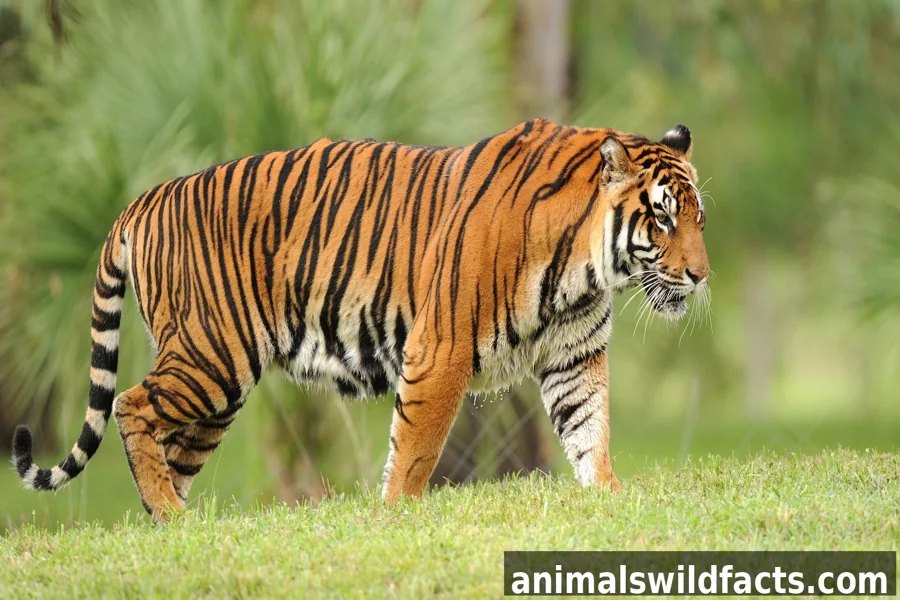
Tigers are ruthless predators that have sharp teeth. They live mainly in Asia. They have long and strong canines. These are teeth that they use to seize their victims. Tigers usually hunt alone. Bright teeth enable closeted and rapid murders. They target the neck or the throat. This stops prey quickly. There are sharp back teeth as well in tigers. Meat is easily cut by these teeth. Tigers do not chew food much. They swallow large pieces. The teeth assist them in bringing prey to a safe place. Tigers are strong swimmers. The teeth will be used to keep the slippery prey close to water. Juvenile tigers are taught at a young age the art of hunting. They engage in biting in the process of play. Defence is also done by use of teeth.
Tigers can use teeth to intimidate competitors. A healthy tiger is one which has clean sharp teeth. When the teeth are frayed away hunting becomes a problem. The tigers are old and find it difficult to survive. Tigers are dependent on both teeth and strength. The muscles of the jaw are extremely strong. They have teeth which enable them to consume hard hides and bones. Tigers sleep after taking huge meals. The teeth are sharp and as such feeding becomes quicker. The idea of preserving tigers is significant to nature harmony.
Fun fact: A tiger’s canine teeth can be over four inches long.
Read Also: Top 13 Small Monkey Breeds In The World
6. Hyena
Scientific Name: Crocuta crocuta
Class: Mammalia
Diet: Carnivore
The hyena is associated with its huge jaws and sharp teeth. It lives mostly in Africa. The teeth in the hyenas are very strong bone crushing teeth. They have thick and sharp premolars. These are teeth that enable them to eat practically all sections of an animal. Hyenas are good predators and vultures. Keen teeth make them rip up meat quickly. They often hunt in groups. Teamwork results in greater success. Hyenas are able to follow prey over a long distance. Their teeth assist in completing the hunt within a short time. Consuming bones provides them with supplementary nutrients. Few animals can do this. To protect food, hyenas have their teeth. They can grumble and threaten with teeth. Female hyenas are taught to bite at a tender age. Teeth are also used in transporting food to cubs.
The hyenas are nocturnal creatures. The sharp teeth assist them to eat fast in darkness. The power of the jaws of a hyena is equal to that of most of the big cats. Such replacement of teeth occurs automatically as they grow older. In rough countries you know that healthy teeth are life. Hyenas also aid in the cleaning up of the ecosystems through consumption of leftovers. This reduces disease spread. The hyenas, in spite of their laugh sound, are serious predators. Their role in nature is determined by their teeth.
Fun fact: A hyena can crush large bones that lions often leave behind.

7. Polar Bear
Scientific Name: Ursus maritimus
Class: Mammalia
Diet: Carnivore
A polar bear is the heaviest ground predator. It lives in the Arctic region. Polar bears possess acute teeth that are used in meat. Their dogs are pointed and rounded. These teeth help grab seals. Seals are their main food. Polar bears are ice hole predators. Acute teeth are used to keep off slippery prey. They also have strong molars. These help tear fat and flesh. Polar bears use fat as their source of energy. Fast feeding is facilitated by teeth since prey can evade. Mothers teach young bears hunting skills. Teeth are important factors towards survival.
Teeth are also used to defend polar bears. They can exhibit teeth in case they feel threatened. The teeth are used in the movement of food over ice. Ice is slippery and cold. Powerful teeth assist in the prevention of loss of prey. Teeth may become worn out as the bear becomes old. This makes hunting harder. Global warming has an impact on the food supply. Even sharp teeth will not help in this problem. Polar bears need ice to hunt. Strength and teeth go together. Their bite is powerful. It can break bones easily. Polar bears consume enormous food every time they can. They can spend extended durations of time starving.
Fun fact: Polar bears have black skin under white fur which helps absorb heat.
Read Also: Top 20 Animals That are Skinny
8. Snake
Scientific Name: Ophiophagus hannah
Class: Reptilia
Diet: Carnivore
Sharp teeth are utilized in numerous ways by the snakes. A popular example is the king cobra. It is among the longest venous serpents. Snakes bear sharp teeth which are curved. These teeth help grip prey. They do not chew food. Snakes swallow prey whole. Predators do not have sharp teeth which allow the prey to escape. Snakes that are poisonous inject a dose of poison with the use of fangs. This helps subdue prey fast. Tight grip and strength is employed by non venomous snakes. Teeth are angled backward. This makes escape difficult. Snakes feed on such animals as rodents, birds and other snakes. Teeth assist in leading the prey into the throat. Snakes can scarcely live without teeth. It would be impossible to have teeth without teeth that feed. Young snakes are born having working teeth. They hunt from an early age. Teeth also help in defense.
Snakes can strike back when defending themselves. During the lifetime there is a replacement of the teeth. This keeps them sharp. Snakes do not chew with their teeth. The work is predominantly done by their body. Sharp teeth hold prey steady. It is possible to swallow easily. Snakes are important in the regulation of pests. They have teeth that assist them in keeping balanced in nature.
Fun fact: Some snakes can swallow prey larger than their own head.
9. Leopard
Scientific Name: Panthera pardus
Class: Mammalia
Diet: Carnivore
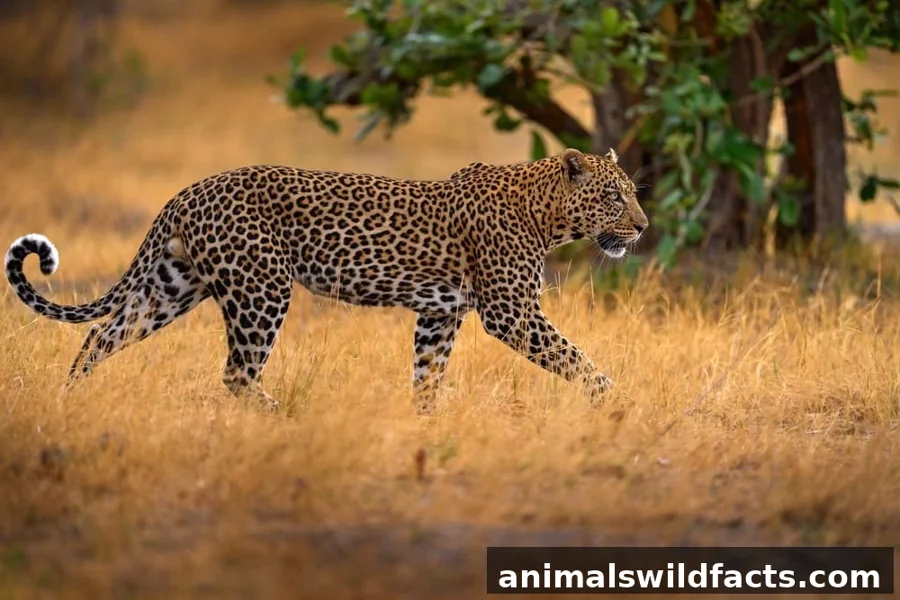
Leopards are swift and stealthy predators. They live in Africa and Asia. Their teeth are sharp hence enabling them to catch prey fast. Their dogs are sharp and protruded. These teeth are useful in preying by biting the neck. Mostly leopards hunt individually. With sharp teeth, kills are very efficient. Animals of various sizes are consumed by leopards. Teeth help tear meat easily. They tend to pull prey to trees. During climbing, teeth help to make a hold. In this way, leopards keep off competition. Defense is also done by the use of teeth.
Leopards use teeth to frighten competition. Play is the process of biting by young leopards. The strength of teeth becomes better as age increases. Leopards have strong jaws. This helps them crush bones. Well-tooths are good signs of successful hunting. Hunting becomes dangerous when teeth become dented. Leopards do not use teeth alone, but through stealth. They have a fast and accurate bite. Teeth help them eat fast. This minimizes danger posed by other predators. Leopards groom using teeth. Teeth also help carry food. Leopards are acclimatized to various environments. The teeth enable them to live in the grasslands and forests.
Fun fact: Leopards can carry prey heavier than their own body up trees.
Read Also: Top 19 Animals with no legs
10. Alligator
Scientific Name: Alligator mississippiensis
Class: Reptilia
Diet: Carnivore
Alligators are fierce reptiles having sharp teeth. They inhabit freshwater locations. They have cone shaped powerful teeth. Such teeth are used to hold prey firmly. Alligators do not chew food. They ingest food or shred it to bits. Prey is held during spinning motions by teeth. This breaks food into pieces. Alligators prey on fish, birds and mammals. Acute teeth enable quick take. Small fish are consumed by young alligators and insects. Teeth grow larger as they age. The teeth are many times substituted by alligators. This maintains the bite of them. Teeth also help in defense.
Alligators can hiss and have their teeth. With great force they close their jaws. Once closed it is hard to flee. Teeth are made to hold and not to cut. This is in line with their hunting strategy. Alligators do not rush but strike. The ambush is fatal with the use of sharp teeth. Survival depends on the health of teeth. Damaged teeth have the capacity to minimize feeding achievement. Alligators contribute to the method of wetland. By use of teeth, they can regulate the population of the prey. They are most active at night. Food is fastened with the aid of teeth.
Fun fact: An alligator can have up to eighty teeth and replace them throughout life.
11. Jaguar
Scientific Name: Panthera onca
Class: Mammalia
Diet: Carnivore
Jaguar is a potent American feline. It inhabits woodland and swamplands. The Jaguars are very sharp in their teeth. Their dogs are robust and dense. These teeth aid them to kill quickly. The jaguars possess one of the strongest cat bites. They are able to chew skulls and shells. They have sharp teeth to attack animals such as turtles and deer. Jaguars tend to hunt around water. Getting to grips with prey that is slippery, teeth assist them. Jaguars bite right through the head unlike other cats. This stops prey fast.
Mostly, jaguars hunt alone. They have teeth to enable them to work efficiently. They consume the bones and organs of meat. Meat can be torn very easy with teeth. Jaguars are predators who carry food with the help of teeth. They may drag it into cover. Defense is also carried out by use of teeth. To intimidate competitors, jaguars display their teeth. Young jaguars learn to bite at an early stage. The strength of teeth increases with age. Good teeth are a guarantee of success in hunting. Worn teeth reduce power. Jaguars are silent and waiting predators. Attacks are completed in seconds by teeth. The jaguars are significant in the ecosystems. They control prey numbers. They are the best predators because of their teeth.
Fun fact: Jaguars have the strongest bite force of any big cat.
12. Komodo Dragon
Scientific Name: Varanus komodoensis
Class: Reptilia
Diet: Carnivore
Komodo is the largest living snake. It subsists on a handful of islands of Indonesia. The Komodo dragons are armed with sharp curved teeth. These are teeth resembling miniature blades. They help tear flesh easily. Deer, pigs and smaller animals are prey of Komodo dragons. Acute teeth cause profound cuts. Their saliva will be harmful with bacteria. This weakens prey over time. The teeth are used to hold the struggling animals. The Komodo dragons tend to attack other prey. The first bite counts with sharp teeth. They do not chew food well. Rather they chew out chunks of it. Teeth help pull meat apart.
A majority of an animal can be eaten by Komodo dragons. With the help of teeth, they can swallow large pieces. Small insects and animals are consumed by young dragons. Teeth grow stronger with age. Teeth are also used in fights. During the mating contests, males bite one another. Well-developed teeth signify supremacy. The Komodo dragons possess powerful neck muscles. Strength of teeth labors to feed. They are able to scent food at long distances. When prey is caught, teeth complete the task. These reptiles form an important part of the habitat. They become the best predators because they have teeth.
Fun fact: Komodo dragons can eat up to eighty percent of their body weight in one meal.

13. Orca
Scientific Name: Orcinus orca
Class: Mammalia
Diet: Carnivore
The orca is also called the killer whale. It lives in oceans worldwide. Orcas possess acute teeth. Their teeth are cone shaped and hard. These teeth assist in holding food to its grip. Orcas prey on fish seals and white whales. Prey is torn into pieces with the help of teeth. Orcas do not chew much. They swallow chunks of food. The teeth assist in taming struggling prey. Orcas hunt in pods. Success is achieved through teamwork and teeth. Teeth are also used in play. Oil-headed whales are mild biters when they are young. Teaching skills in hunting use teeth.
Orcas have powerful jaws. Their bite is tough enough to crack bones. Vegan teeth enable them to feed on greasy animals. Depending on prey, orcas do not use teeth in the same manner. Some focus on fish. Others hunt mammals. Teeth help adapt to diet. Orcas live long lives. Teeth wear down with age. Changes in food preferences may occur in old orcas. Social behavior is dependent on teeth. Dominance displays are characterized by the display of teeth by orcas. The teeth assist in transporting food to the pods. Orcas are cunning predators. Their hunting policies are based on teeth. They assist in balancing the oceans.
Fun fact: Orcas are actually the largest members of the dolphin family.
Read Also: Top 17 Clumsy Animals in The World
14. Tasmanian Devil
Scientific Name: Sarcophilus harrisii
Class: Mammalia
Diet: Carnivore
The Tasmanian devil is a small fierce animal. It lives only in Tasmania. Tasmanian devils possess sharp and strong teeth. Their teeth are bone crushing. An entire carcass can be consumed by them. Teeth help tear meat quickly. Tasmanian devils are vultures and predators. Having sharp teeth enables them to compete on food. They are habitually growling eaters. Teeth are depicted to caution others. They have high strength in their jaws. With teeth they chop the tough skin. Little devils are taught to bite at an early age. The older the teeth, the stronger they become. Mammals, birds and insects are the food of devils. Bones are rendered utterly clean with the help of teeth. This reduces waste in nature. Teeth also help in defense. Devils bite in times of danger.
The health of teeth is an important survival factor. Tooth disease has been detrimental to the population. The conservation processes are aimed at protection. The devils are most active at night. Tooth enables them to eat quickly at night. They have high sounding feeding. Grinding and snapping of teeth. The Tasmanian devils are contributors to ecosystems. They are charters of teeth, cleaners of nature.
Fun fact: Tasmanian devils can open their jaws extremely wide compared to their head size.

15. Barracuda
Scientific Name: Sphyraena barracuda
Class: Actinopterygii
Diet: Carnivore
Barracuda is a quick hunting fish. It lives in tropical oceans. The barracudas possess sharp pointed teeth. These are teeth that appear as daggers. They assist with the speeds of the prey. Barracudas hunt fish mainly. The teeth provide snap bites. They become assaulting in a sudden fashion. Teeth grip prey instantly. Barracudas do not chew food a lot. They consume fish smaller than the main predator. Sharp teeth prevent escape. Barracudas often hunt alone. Single hunting is made possible with teeth. They have powerful long jaws. There is no space between teeth. This increases bite power. Small fish are eaten at the hands of the young barracudas. Teeth grow sharper with age.
Barracudas possess visual and speed advantage. Teeth finish the attack. They can confuse the glittering objects with the prey. They pose a threat to small fish because of teeth. Barracudas serve in the management of fish. Their success depends to a large extent on teeth. They are in action during the day. Daytime hunts are assisted using teeth. Barracudas do not hate people as a rule. Bites happen rarely. Their predator state is characterized by teeth.
Fun fact: Barracudas can swim up to thirty five miles per hour.
Read Also: Top 17 Clumsy Animals in The World
16. Piranha
Scientific Name: Pygocentrus nattereri
Class: Actinopterygii
Diet: Carnivore
The piranha is a small yet dreadful fish. It resides in the rivers of South America. The teeth of the piranha are very sharp triangle-shaped. And these teeth are like scissors. They help cut flesh quickly. Piranhas tend to work in groups. Aggressive teeth enhance mob attacks. They consume fish, large insects and small animals. She can bite fast and feed quickly using teeth. Piranhas are very sensitive to movement. One uses teeth in fight and to feed. They can strip meat quickly. The teeth grow singly and remain sharp. When a tooth is lost it is replaced with one.
Piranhas cut food with the help of teeth. They do not chew slowly. Rapid feeding minimizes risk of predation. Young piranhas are taught to bite when they are small. The strength of teeth is enhanced with growth. Sometimes also piranhas feed on vegetation. Teeth aid in biting hard material. Nonetheless, there are hard-to-find human attacks. Teeth are mainly used on prey. The piranhas contribute to the health of rivers. They remove weak animals. Teeth help keep balance. They are also daytime active. Teeth allow quick reaction. Piranhas depend upon smell and sound. Teeth finish the hunt fast.
Fun fact: Piranha teeth are so sharp they are sometimes used as tools by local people.

17. African Wild Dog
Scientific Name: Lycaon pictus
Class: Mammalia
Diet: Carnivore
The wild dog in Africa is a good hunter. It lives in African savannas. These beasts are sharp and strong-tooth canines. The teeth are used to trap and retain prey. African wild animals act in gangs. There aren’t any teeth which mean nothing to my success over teamwork. These predators chase prey at great distances. Teeth enable quick kills after being caught. Their canines grip firmly. Meat is cut up with back teeth. Wild dogs eat quickly. The teeth are used in enabling them to complete meals in a short time. This decreases the abrasion with other predators. Puppies are trained to bite by playing. As teeth increase in age, they become stronger. In social bonding, wild dogs also employ the use of teeth. Gentle biting shows trust. Toothed weapons come out as a form of defense.
The wild dogs of the African world can hardly attack human beings. Their focus is hunting. The condition of teeth matters to live. Fractured teeth diminish the predatory powers. Most of the prey is consumed by wild dogs. Teeth help clean bones. They work during the daytime. With teeth one can hunt in a day. The African wild dogs ensure that the population of prey is curbed. Their effectiveness is provided by teeth. They speak through body language and sounds. Teeth support their role. Wild dogs are threatened nowadays. Protection is needed.
Fun fact: African wild dogs have a hunting success rate higher than lions.
Read Also: Top 25 Animals That Eat a Lot
18. Wolverine
Scientific Name: Gulo gulo
Class: Mammalia
Diet: Carnivore
The wolverine is an ugly beast. It inhabits cold north-west areas. The wolverines are sharp and powerful. These teeth help crush bones. Wolverines are powerful as they are too small. They have teeth which can feed on frozen meat. They scavenge and hunt small animals. Teeth help tear tough skin. Wolverines are ruthless consumers. They can even confront larger ones. Teeth are used for defense. Wolverines display teeth to behave their competitors away. Young wolverines are early taught to bite. Teeth grow stronger with age. Wolverines have strong jaws. They have teeth that enable them to get into the marrow. This gives extra nutrition.
Wolfers are capable of withstanding severe winters. The teeth assist in shredding of frozen carcasses. When they find something to eat, they partake fast. Teeth allow fast feeding. Wolverines hoard food to eat at a later time. Teeth help carry food. They are primarily lone rangers. The teeth are independent supporting. Wolverines mark their territories with scent. The grooming is not much by use of teeth. Healthy teeth are vital. The existence of broken teeth minimizes chances of survival. Wolverines contribute to the clean-up of nature. They are efficient scavengers based on teeth.
Fun fact: Wolverines can take down prey much larger than themselves.

19. Moray Eel
Scientific Name: Muraenidae
Class: Actinopterygii
Diet: Carnivore
Moray eel is a predator which is concealed. It lives in ocean reefs. Morays possess very sharp teeth that are needle shaped. These are teeth that assist in holding prey that is slippery. Morphine eels are predators of fish and crustaceans. The teeth do not allow one to escape through small holes. Moray eels hide in rocks. Surprise attacks are good with teeth. They have a second set of jaws. These jaws pull prey inward. Toenails combine their efforts in ensuring food. Moray eels do not chew. They swallow prey whole. Teeth are angled backward. This keeps prey trapped. Early working teeth in young eels. Teeth grow stronger with age.
Moray eels defend themselves by using their teeth. They may bite when disturbed. Their open-jaw usually is a breathing gesture. Teeth are visible and scary. Moray eels rely on smell. Teeth finish the hunt. They are active at night. Teeth help hunt in darkness. Moray eels control the population of reef fishes. Their significance is in the presence of teeth. They live long lives. Teeth wear down slowly.
Fun fact: Moray eels use a second jaw like a creature from science fiction.
20. Saber-Toothed Cat
Scientific Name: Smilodon fatalis
Class: Mammalia
Diet: Carnivore
The saber-toothed cat is a species of extinct predators. Thousands of years it inhabited. It had very long sharp teeth. These teeth resembled blades. The saber teeth assisted in killing big animals. The dogs would become extremely long. Flesh was pierced with teeth. The cat predated and preyed on such animals as bison. Teeth allowed deep wounds. The Saber toothed cats were strong hunters. Teeth delivered fatal bites. They did not chew much. Teeth were used carefully. Broken teeth meant death. The neck muscles of these cats were good. Teeth worked in movement of head. Children were taught hunting by adults. Teeth grew large as they aged.
There are tooth wear marks which can be observed as fossils. Their hunting pattern was characterized by teeth. At times they probably hunted in companies. Rivalry was scared with the help of teeth. Saber-toothed cats also became extinct because of the loss of climate and killers. Their lives could not be saved by the teeth. They remain famous today. They were iconic predators due to teeth.
Fun fact: Saber-toothed cats are not closely related to modern tigers.
Read Also: Top 20 Animals With Long Tail
Final Words
Animals with sharp teeth are some of the most fascinating predators on Earth. Their teeth are not merely eating tools, they are life and death. The great white shark of the ocean lives relying on his teeth, and so does the tiger of the forest, each animal relies on its tooth. The teeth enable them to trap their prey fast, tear meat easily and even defend their territory. They are also involved in maintaining balance in the ecosystems by regulating the population of other animals.
Discovery of such animals demonstrates the adaptation to nature and equipping creatures to survive. Others, such as the saber-toothed cat, have disappeared, yet their fangs speak of life in the old days. There are others, such as crocodiles and sharks, that are still alive with their ideal hunting tools. The dynamics of teeth can be observed to understand how animals survive in the world and how they behave.
Conservation of such animals means the balance of life is preserved. Tooths are sharp, but they also distract us from the fact that all creatures have their place in nature. The next time you consider predators, you should not only think of them as having bad teeth, but you should be thinking of them as having life-saving teeth.
FAQs:
Q1: What are animals with sharp teeth?
They are animals which consume food with sharp or sharp teeth to kill, hold and consume food. These are such predators as sharks, tigers, and crocodiles.
Q2: What is the reason that there are sharp-teeted animals?
Sharp teeth enable animals to effectively hunt, rip the meat, and protect themselves, as well as survive in the wild.
Q3: Are all animals with sharp teeth dangerous to humans?
Not all. While some predators like sharks or crocodiles can be dangerous, many animals with sharp teeth rarely attack humans. They mostly have their teeth to hunt.
Q4: Do animals change their sharp teeth?
There are animals such as the sharks and alligators that always grow new teeth. Others such as lions and tigers retain the same teeth throughout their life.
Q5: Does animal diet depend on the sharpness of animal teeth?
Yes. The pointed teeth normally belong to meat eaters and the flat teeth are in plants. The shape of teeth demonstrates the hunting or eating behavior of an animal.
Q6: Does this mean that all sharp-toothed animals are carnivores?
Yes, mostly but a few are omnivores which consume sharp teeth of meat and tough plants.