Top 19 Animals with no legs (Pictures Included)
Did you know that some of the most fascinating creatures on our planet have evolved to thrive without legs? This article delves into the world of animals with no legs, from sleek snakes to adaptable jellyfish, revealing how they navigate their environments and hunt for survival. By the end of this read, you’ll gain insight into how these legless wonders challenge our views of anatomy and function in the animal kingdom.
List of Animals with no legs
Below is the list of animals without legs in the world:
| Number of Animals | Animals without legs |
| 1 | Walruses |
| 2 | Snakes |
| 3 | Sea Lions |
| 4 | Legless Lizard |
| 5 | Sponges |
| 6 | Snails |
| 7 | Octopuses |
| 8 | Eels |
| 9 | Caecilians |
| 10 | Seahorse |
| 11 | Lamprey |
| 12 | Earthworms |
| 13 | Clams |
| 14 | Squid |
| 15 | Jellyfish |
| 16 | Sea Cucumbers |
| 17 | Whales |
| 18 | Slugs |
| 19 | Dolphins |
Walruses
Scientific Name: Odobenus rosmarus
Class: Mammalia
Diet: Carnivore
Walruses, with their impressive tusks and robust bodies, might not strike you as a typical representation of legless animals, yet their adaptation to life in the icy waters transforms their movement techniques into something truly fascinating. While they do possess flippers, these appendages allow for a unique form of locomotion that distinguishes them from terrestrial creatures. In their aquatic environment, walruses glide gracefully through the chilly waters, utilizing their flippers to propel themselves with remarkable agility, as if harnessing the fluidity of their surroundings to dance seamlessly beneath the surface.

Beyond their physical adaptations, walruses exhibit a social complexity that adds a rich layer to their legless lifestyle. Often found in large, boisterous herds on ice flows, they communicate through a series of barks, grunts, and bell-like calls, reinforcing social bonds and hierarchy among individuals. These interactions not only facilitate group cohesion but also highlight their intelligence and emotional depth, providing insights into how species without traditional legs navigate social structures in a physical world predominantly ruled by mobility. In an era of climate change, the walrus’s dependence on sea ice serves as a stark reminder of the delicate balance within ecosystems, showcasing the intricate ways in which these remarkable creatures thrive despite their seemingly limiting adaptations.
Snakes
Class: Reptilia
Diet: Carnivore
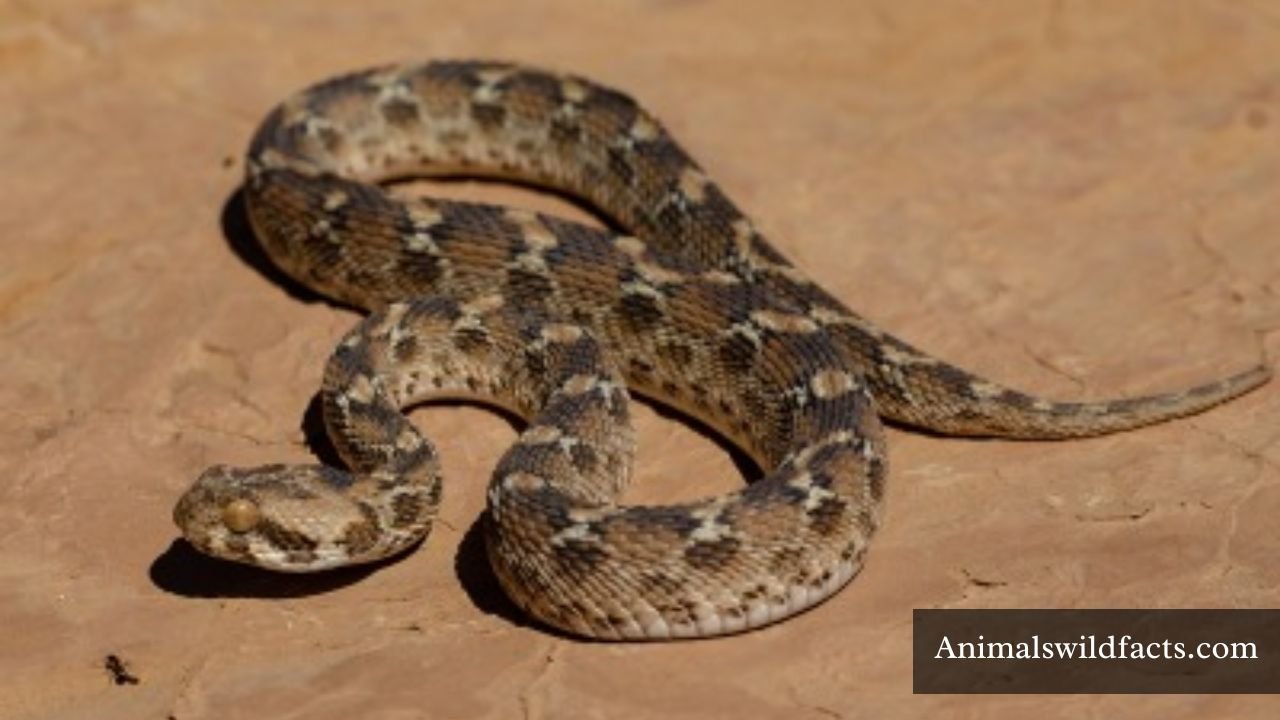
Snakes are an extraordinary example of evolution at work, showcasing how creatures can thrive without limbs. These legless reptiles have mastered the art of movement through a series of complex muscle contractions and coordinated scales that allow them to glide, slither, and climb with remarkable agility. Each scale acts like a tiny grip against the surface, enabling them to ascend vertical surfaces or even swim effortlessly through water. This unique mode of locomotion not only enhances their hunting techniques but also provides a strategic advantage against predators.
Interestingly, the absence of legs has made snakes particularly adept at camouflage and stealth. Whether merging into the desert sand, weaving through lush foliage, or coiling around branches, their elongated, flexible bodies allow them to blend seamlessly into their environments. This adaptability is not just physical; snakes also exhibit a range of feeding strategies, from ambush to active pursuit, relying on their keen senses — especially heat detection in species like pit vipers — to track down prey. Their evolutionary path, devoid of legs, underscores a fascinating narrative of survival, ingenuity, and the endless variations of life on Earth.
Sea Lions
Class: Mammalia
Diet: Carnivore
Sea lions, often mistaken for seals due to their similar appearance, possess a charm and adaptability that sets them apart, particularly in their unique mode of locomotion. While they do indeed have flippers, their impressive agility both in water and on land challenges the notion of traditional legged movement. With their powerful front flippers, sea lions can “walk” on all fours, using their rear flippers to aid balance and steer, which is a fascinating adaptation for a marine mammal. This ability allows them to haul out onto rocky shores or sandy beaches when they are not hunting.

In deeper waters, they transform into graceful swimmers, showcasing agility and speed that would rival many fish. Their streamlined bodies and hydrodynamic movements enable them to chase prey effortlessly. Sea lions also exhibit strong social behavior, often forming large groups called colonies, where they communicate through barks and growls. This social structure not only aids in protection from predators but also enhances their hunting efficiency, as they often work together to herd schools of fish.
Legless Lizard
Class: Reptilia
Diet: Mostly insectivore
The legless lizard, often mistaken for a snake, captivates with its unique adaptations and evolutionary journey. Unlike snakes, these fascinating reptiles belong to the lizard family and possess eyelids as well as external ear openings, traits that reveal their distinct lineage. Found in various regions, including North America and parts of Europe, they thrive in diverse habitats, from sandy soils to rocky terrains, making their homes in burrows or leaf litter.
The legless lizard’s streamlined body, which can reach lengths of up to two feet, enables it to navigate through tight spaces with impressive agility. With a diet primarily comprising insects and other small invertebrates, they play an essential ecological role in controlling pest populations. Their colorful scales, ranging from muted browns to vibrant greens, blend seamlessly with the environment, offering effective camouflage against predators and enhancing their survival in the wild.
Sponges
Scientific Name: Phylum Porifera
Diet: Filter feeder
Sponges, often overlooked in the animal kingdom, exemplify a unique, legless existence that transcends conventional definitions of mobility. These fascinating organisms, residing primarily in marine environments, are composed of a remarkable porous structure that allows them to filter vast amounts of water for nutrients. Despite their lack of limbs, sponges demonstrate a different kind of resilience; they rely on the natural currents of their surroundings to facilitate their feeding and cellular communication. This fluidity not only sustains them but also fosters complex interdependencies with other marine organisms.
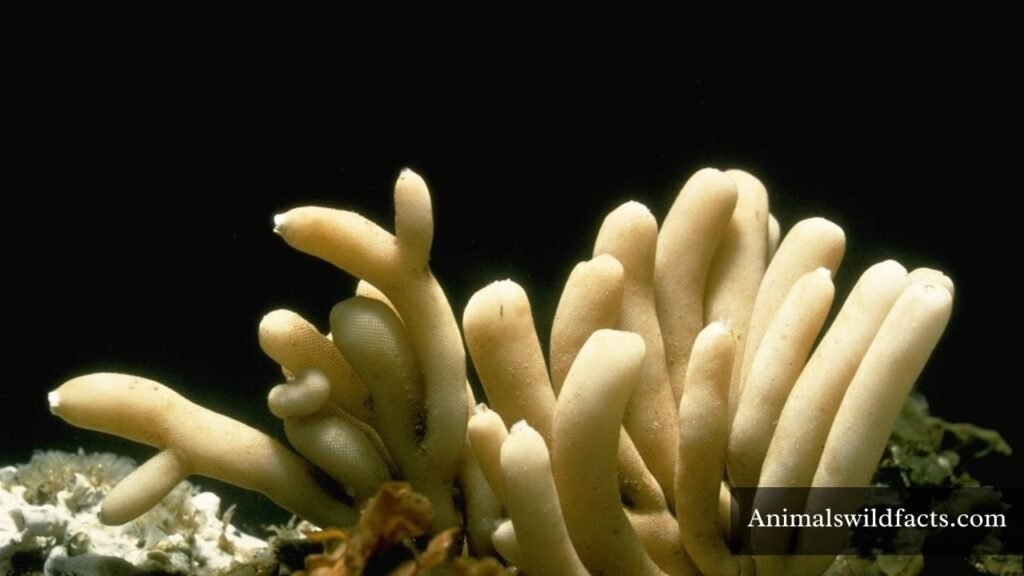
Moreover, sponges are masters of regeneration, capable of recovering from physical damage more swiftly than many larger species. When cut or fragmented, they can reassemble and thrive, exemplifying an extraordinary biological resilience. This regenerative ability challenges our understanding of survival, raising questions about adaptability in a world that often equates movement with life.
Snails
Class: Gastropoda
Diet: Herbivore, detritivore, or carnivore depending on species
Snails, nature’s slow-moving marvels, may lack legs, but they compensate with an ingenious mode of locomotion called muscular contraction. Their unique foot, a muscular structure underneath their shells, glides smoothly over surfaces using a layer of mucus, allowing them to traverse varied terrains. This slime serves double duty: it reduces friction and protects their delicate bodies from sharp edges, showcasing an extraordinary evolutionary adaptation.
On a microscopic level, snails also exhibit fascinating behaviors, with some species capable of navigating obstacles or even climbing vertically, all while carrying their home on their backs. Their shells, composed of calcium carbonate, not only provide protection but also play a crucial role in regulating hydration — a vital feature given their moist habitats. Furthermore, the diversity among snail species reveals a vast array of shell shapes, sizes, and colors, contributing to the intricate tapestry of biodiversity on our planet. Each snail’s journey is a testament to resilience, reminding us that mobility comes in many forms, even without legs.
Octopuses
Class: Cephalopoda
Diet: Carnivore
Octopuses, the enigmatic creatures of the deep, offer a fascinating glimpse into life without legs. Instead of traditional limbs, they boast eight flexible arms lined with sensitive suckers, allowing for an unparalleled range of movement and dexterity. This unique adaptation provides these cephalopods not only with incredible locomotion, swimming effortlessly through the ocean’s depths, but also with the ability to manipulate their environment, open shells, and even create tools. Their ability to camouflage and change color adds an extra layer to their survival tactics, making them both elusive and captivating.

What truly sets octopuses apart is their intelligence. Unlike many other invertebrates, octopuses display problem-solving skills and exhibit behaviors that suggest a level of awareness and emotion. They can navigate mazes, escape intricate enclosures, and even interact with fish and humans in surprising ways. This cognitive prowess challenges our understanding of animal intelligence and prompts us to reconsider how we perceive consciousness in creatures without traditional legs.
Eels
Class: Actinopterygii
Diet: Carnivore
Eels are fascinating creatures that challenge our conventional understanding of movement. With their long, slender bodies and sleek, slippery skin, they glide effortlessly through the water, demonstrating a unique form of locomotion that captivates both scientists and enthusiasts alike. These legless wonders utilize a sinuous motion, propelling themselves with a wave-like action that allows them to navigate through various aquatic environments — from tranquil rivers to the depths of the ocean.
Beyond their impressive swimming abilities, eels are intriguing for their life cycle. Many species, like the European eel, undertake an epic migration from freshwater rivers to the Sargasso Sea to spawn. This journey spans thousands of miles, showcasing not only their resilience but also their incredible navigation skills. Furthermore, eels possess a remarkable ability to breathe through their skin in low-oxygen environments, which adds a layer of adaptability to their already impressive repertoire.
Caecilians
Class: Amphibia
Diet: Carnivore
Caecilians are remarkable creatures that challenge our conventional understanding of amphibians. Often mistaken for snakes or worms due to their limbless, elongated bodies, these burrowing dwellers are a fascinating part of the ecosystem. They possess a unique form of locomotion, using muscle contractions and their vertebral column to glide through soil, showcasing a level of adaptability that highlights the wonders of evolution. With over 200 species known, their adaptations vary, from striking patterns to cryptic colors that help them blend seamlessly into their environment.

What sets caecilians apart is not just their lack of legs but also their intriguing reproductive strategies. Some species even exhibit parental care, a rarity among amphibians, wherein mothers nourish their young with skin secretions rich in nutrients. This evolutionary strategy underscores an often-overlooked aspect of their biology: the importance of nurturing and care in an otherwise harsh underground world.
Seahorse
Class: Actinopterygii
Diet: Carnivore
Seahorses, with their enchanting appearance and unique biology, challenge conventional notions of mobility in the animal kingdom. Instead of legs, they possess a specialized prehensile tail, which allows them to anchor themselves among seagrasses and corals, creating an immobile yet stable habitat. This adaptation not only serves as a means of protection from predators but also provides a platform for these delicate creatures to thrive in their underwater world.
What truly sets seahorses apart is their fascinating reproductive role. In a remarkable twist of nature, it is the male seahorses that carry and nurture the young, demonstrating an extraordinary reversal of traditional gender roles. The male’s brood pouch serves as a protective haven where fertilization occurs, and the tiny, fully-formed seahorse fry are eventually released into the ocean, equipped to embark on their own journey. This varies significantly from other marine species and highlights the complexity of evolutionary strategies that go beyond the basic survival instincts.
Lamprey
Class: Petromyzontida
Diet: Some parasitic (blood and body fluids), others detritivore/filter-feeders
The lamprey, a fascinating creature of the aquatic world, showcases a unique blend of characteristics that defy conventional notions of mobility. Unlike most vertebrates, this jawless fish navigates its environment with a combination of eel-like movements and a distinct suction mechanism. Equipped with a mouth full of sharp, raspy teeth, lampreys latch onto other fish to feed, a behavior that sparks both intrigue and aversion. Their parasitic lifestyle has long been a subject of study, revealing not only the complexities of their feeding habits but also their role in aquatic ecosystems as both predator and prey.
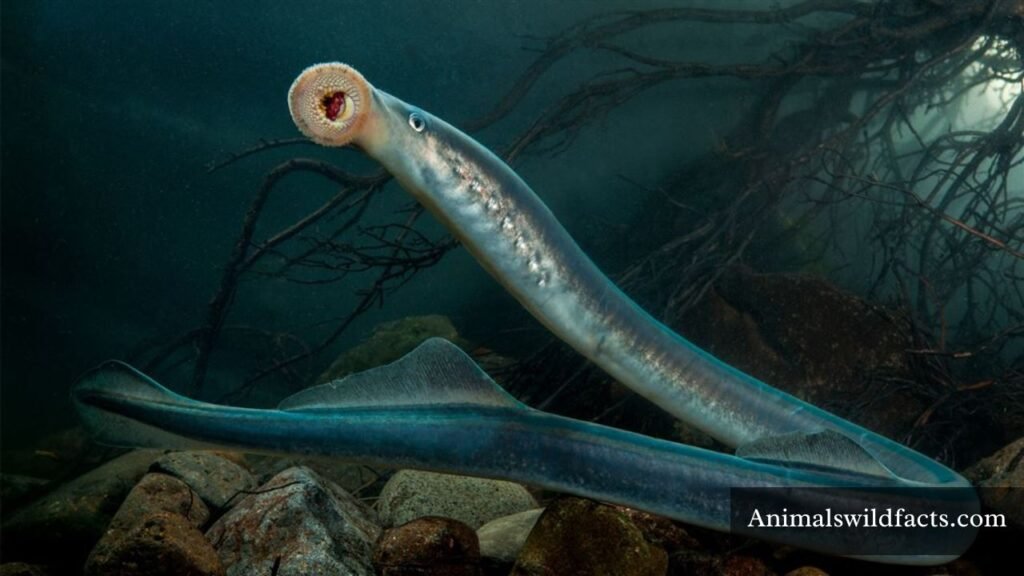
Beyond their feeding frenzy, lampreys possess a remarkable evolutionary history that dates back over 360 million years, making them one of the oldest living species on Earth. Their lack of legs may seem like a limitation, but it has contributed to their survival in diverse marine environments, adapting to various habitats from freshwater rivers to the depths of the ocean. Furthermore, recent research indicates that lampreys may have potential medicinal benefits; their unique blood has been found to contain compounds that could lead to advances in human health.
Earthworms
Class: Clitellata
Diet: Detritivore
Earthworms, often regarded as humble soil dwellers, play a transformative role in our ecosystems that’s far more complex than their lack of legs might suggest. These segmented creatures can consume their body weight in organic matter daily, aerating the soil and enriching it through their natural processes. As they burrow, they create a vast network of tunnels underground, which facilitates water drainage and root growth, making them unsung heroes of healthy soil.
Earthworms possess a unique form of locomotion, using a combination of muscle contractions and tiny bristles called setae. This allows them to glide through soil with remarkable efficiency, showcasing nature’s ingenuity even in the absence of limbs. Their sensitivity to light and vibrations allows them to navigate and interact with their environment effectively, demonstrating that adaptation can take many forms.
Clams
Class: Bivalvia
Diet: Filter feeder
Clams are fascinating creatures that defy our conventional understanding of mobility and anatomy. Unlike most animals we encounter, clams thrive without legs, exhibiting a unique adaptability to their aquatic environment. Their bodies are encased in two hinged shells, which serve as both armor and a means of locomotion. While they may not sprint or leap, clams employ a method called burrowing to navigate their world, using a muscular foot to anchor themselves into the substrate of sandy or muddy seabeds.
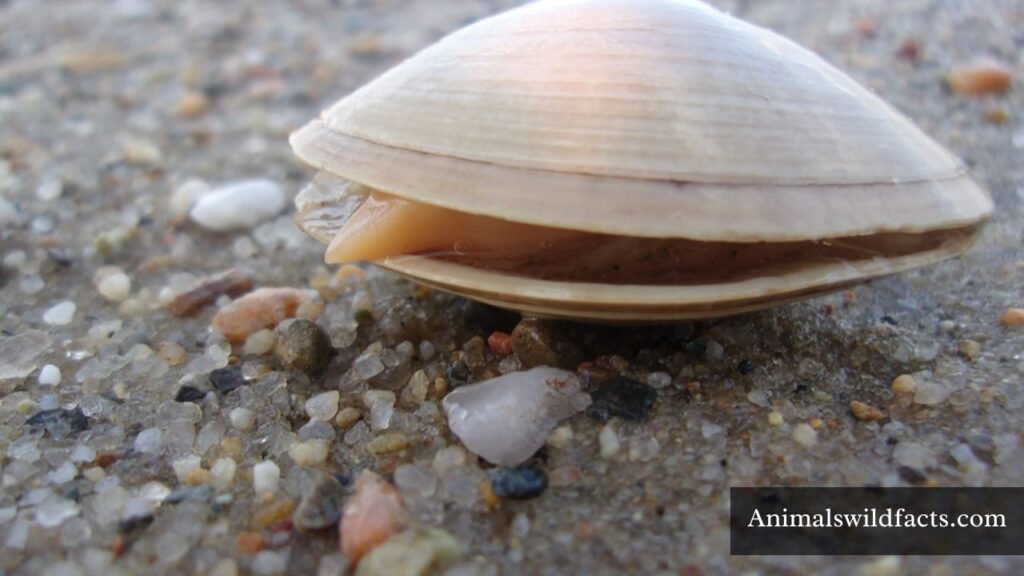
One of the most intriguing aspects of clams is their remarkable ability to filter feed, purifying their watery habitats in the process. By drawing in water and extracting microscopic plankton, clams play a vital role in maintaining the ecological balance of aquatic ecosystems. This filter-feeding mechanism allows them to thrive in various environments, from mangroves to deep-sea floors. Their lifestyles, marked by slow movements and a deep connection to their surroundings, encourage us to rethink how we define success and survival in the animal kingdom. Ultimately, clams remind us that strength and resilience can manifest in forms that may not fit traditional norms.
Squid
Class: Cephalopoda
Diet: Carnivore
Squids, with their graceful, fluid movements, offer an intriguing study in adaptability and evolution. Unlike many creatures that rely on legs for mobility, squids glide through the ocean depths using a unique propulsion system. By expelling water from their mantle cavity, they can achieve bursts of speed, allowing them to escape predators or hunt with startling precision. This mode of locomotion not only highlights their remarkable physical design but also reveals a world where traditional concepts of movement are rendered obsolete.
Beyond their method of travel, squids are equipped with an array of fascinating adaptations. Their skin is a canvas of color-changing chromatophores, which allow them to communicate, camouflage, and express emotions — an intricate language of light and color that challenges our understanding of expression in the animal kingdom. Moreover, their intelligence is striking; research suggests they possess problem-solving abilities and can navigate complex environments, a trait often reserved for legged animals.
Jellyfish
Class: Scyphozoa
Diet: Carnivore
Jellyfish, often mistaken for simple ocean drifters, embody a fascinating blend of beauty and simplicity. These ethereal creatures, composed of 95% water, lack a brain, heart, or bones, relying instead on a gelatinous structure that enables them to float gracefully through the sea. Their unique mode of propulsion — contracting and relaxing their bell-shaped bodies — sets them apart from traditional swimmers, allowing them to drift with the currents while performing a mesmerizing dance.
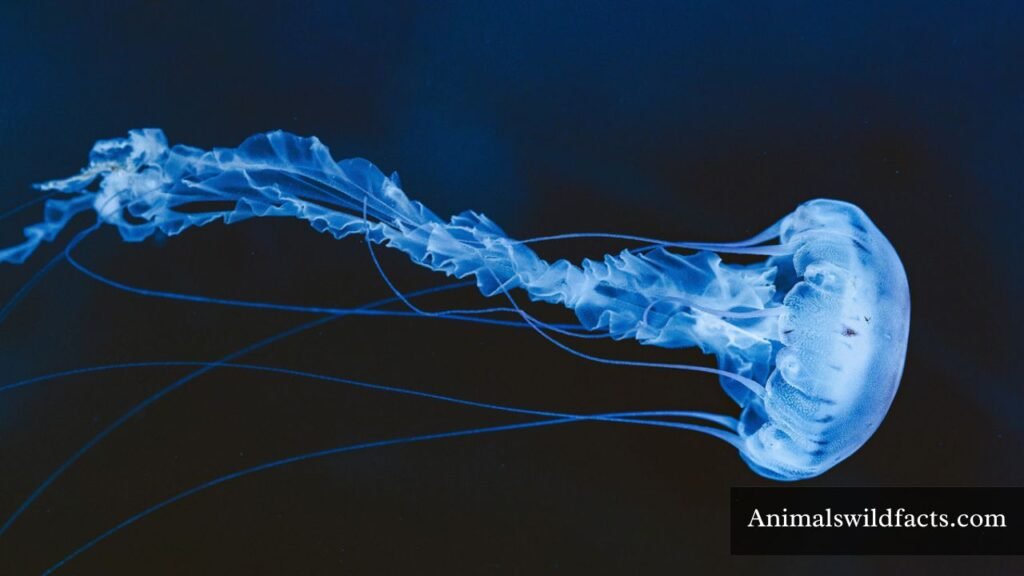
Beyond their stunning appearance, jellyfish play a crucial role in marine ecosystems. They are both predator and prey, controlling populations of smaller organisms, such as plankton, while also serving as a food source for larger creatures like sea turtles. Some species possess stinging tentacles that can incapacitate or even kill small fish, showcasing their role as efficient hunters despite their lack of limbs. Moreover, researchers are increasingly fascinated by their bioluminescent properties, which may hold keys to advancements in medical research and biotechnology.
The jellyfish’s resilience further highlights its intriguing nature; they have existed for over 500 million years, outliving countless species and climatic shifts. Their ability to thrive in various marine environments — even proliferating in areas affected by pollution and overfishing — makes them a poignant symbol of survival. As we delve deeper into understanding these enigmatic beings, it’s clear that jellyfish are more than just a whimsical sight beneath the waves; they are vital contributors to ocean health and essential players in the intricate web of life.
Sea Cucumbers
Class: Holothuroidea
Diet: Detritivore
Sea cucumbers, often overlooked in the marine ecosystem, are fascinating creatures that embody an extraordinary form of adaptation. Unlike their terrestrial counterparts, these legless wonders glide through the ocean floor, their elongated bodies and unique tubular structure allowing them to navigate soft sediments effortlessly. Equipped with a remarkable system of tube feet and a muscular body, they can anchor themselves to rocks or burrow into the sand, playing a crucial role in nutrient recycling and maintaining the health of their habitats.
What truly sets sea cucumbers apart is their remarkable ability to regenerate. When threatened, they can expel parts of their internal organs, only to regrow them later — a survival strategy that not only astonishes biologists but also inspires potential advances in regenerative medicine for humans. Furthermore, their diverse feeding habits, ranging from filter feeding to scavenging, showcase their versatility in adapting to various marine environments.
Whales
Class: Mammalia
Diet: Depends on species
Baleen whales — filter feeders (krill, plankton, small fish)
Toothed whales — carnivores (fish, squid, seals in some)
Whales, the magnificent giants of the ocean, may seem an unlikely example of legless creatures, yet their evolutionary journey presents a fascinating story of adaptation. Once land-dwelling mammals, these colossal beings have traded their limbs for flippers, embracing a life that allows them to glide gracefully through the depths of the sea. Their streamlined bodies, devoid of legs, illustrate a masterclass in evolutionary efficiency; every aspect of their design is tailored for optimal movement in water, showcasing nature’s ability to sculpt form for function.

Beyond their physical adaptations, whales possess intricate social structures and sophisticated communication methods, often likened to human cultural expressions. They share in nurturing their young, engaging in complex vocalizations that echo across vast oceanic distances. This intricate dance of communication — such as the haunting songs of humpbacks — reveals a world rich in emotional depth, challenging our perceptions of intelligence and emotionality in non-human species.
Slugs
Class: Gastropoda
Diet: Mostly herbivore or detritivore
Slugs, those often-maligned creatures, are a marvel of adaptation in a world dominated by legs. Their absence of limbs has not hindered their survival; instead, they’ve developed a unique mode of locomotion that showcases the wonders of evolution. With a muscular foot that glides over surfaces, a slug can travel great distances, leaving behind a shimmering trail of mucus. This slippery secretion not only aids in movement but also provides moisture and protection from predators, a clever strategy in their moist habitats.
Slugs possess a fascinating sensory array. Their eyestalks, which are often mistakenly thought of as mere “antennae,” are highly developed organs that detect light, taste, and odors. This enables them to navigate their environment with surprising precision. Furthermore, many species display vibrant colors and patterns, a form of camouflage or deterring predators, revealing that even creatures deemed simple can boast intricate survival strategies. Far from being just garden pests, slugs play essential roles in their ecosystems, contributing to nutrient cycling and soil health, reminding us that every organism, regardless of its form, has a vital purpose.
Dolphins
Scientific Name: Delphinidae
Class: Mammalia
Diet: Carnivore
Dolphins, often celebrated for their intelligence and playful nature, challenge our conventional understanding of locomotion in the animal kingdom. While they are marine mammals equipped with streamlined bodies, their leg-less form does not hinder their ability to navigate their watery habitat. Instead, dolphins utilize powerful flukes and pectoral fins to propel themselves with grace and agility, illustrating an evolutionary adaptation that enables them to thrive in the ocean’s depths.

Interestingly, their lack of legs allows for a unique form of communication that unfolds under the waves. Dolphins use a sophisticated system of clicks, whistles, and body movements to convey messages and strengthen social bonds within pods. This fluidity in both movement and communication highlights how evolution has shaped their lives, allowing them not just to survive but to flourish in environments where walking is an impossibility.
Moreover, dolphins’ legless existence raises fascinating questions about mobility and adaptation. Unlike many terrestrial animals, dolphins exhibit a fascinating form of energy-efficient swimming that minimizes resistance against water currents. Their remarkable ability to breach and dive, combined with their social structures, emphasizes that life without legs can be not just sustainable but also full of dynamic complexity, further deepening our appreciation for the wonders of the animal kingdom.
Readmore: Explore Top 20 Animals That Gallop.
Final Thoughts
Animals without legs exhibit remarkable adaptations that allow them to thrive in their environments. From the graceful undulations of snakes to the intricate shifting of jellyfish, these creatures demonstrate that mobility comes in many unique forms. Their survival strategies provide valuable insights into the complexity of life on Earth. By studying these fascinating animals, we can deepen our understanding of evolution and the diverse ways species navigate their ecosystems. Let’s celebrate and protect these leg-less wonders, ensuring they continue to inspire future generations.
FAQs
What is the fastest animal without legs?
The fastest animal without legs is the black mamba. This snake can reach impressive speeds of up to 12 miles per hour when slithering on the ground. Its agility and quick strikes make it one of the most efficient predators in the animal kingdom.
Which animal has bones but no legs?
One fascinating animal that has bones but no legs is the snake. Snakes are reptiles and possess a skeletal structure, including a backbone, skull, and ribs. Despite lacking legs, they are incredibly agile and can move swiftly through various terrains.
Which animal has zero bones?
The animal with zero bones is the jellyfish. These fascinating creatures are made up of a gelatinous substance and have no backbone or skeletal structure at all. Instead, they rely on their unique body composition and water buoyancy to navigate their marine environment. Jellyfish primarily consist of a soft body called the mesoglea, which allows them to pulsate and move through the water. They also have tentacles lined with specialized cells called nematocysts that help them capture prey and defend against predators.
Which animal is long with no legs?
Snakes are elongated reptiles that have evolved to thrive in various environments, and their legless form allows for efficient movement through grass, sand, and water. Instead of legs, they rely on their flexible bodies and scales to slither across surfaces and navigate through their habitats.


