Top 10 Animals Like Mongoose (Pictures Included)
Animals like mongoose share striking similarities in behavior and habitat, offering valuable insights into survival strategies. This article delves into these captivating animals, revealing their unique characteristics and the roles they play in their ecosystems. By the end, you’ll gain a new appreciation for these remarkable species and their importance in nature.
List of Animals Like Mongoose
Below is the list of animals that are like Mongoose:
| Number of Animals | Names of Animals Like Mongoose |
| 1 | Meerkats |
| 2 | Weasel |
| 3 | Ferrets |
| 4 | Linsang |
| 5 | Genet |
| 6 | Marten |
| 7 | Stoat |
| 8 | Civets |
| 9 | Mink |
| 10 | Tayra |
Meerkats
Scientific name: Suricata suricatta
Class: Mammalia
Diet: Omnivore
Meerkats, closely related to mongooses, showcase a unique social structure that captivates wildlife enthusiasts. Living in tightly-knit family groups called mobs, these small mammals exhibit remarkable cooperation and communication. They take turns standing as sentinels, using their keen eyesight to scan for predators while the rest of the mob searches for food. This behavior not only highlights their instinct for survival but also emphasizes the importance of teamwork in the wild.

Interestingly, meerkats possess a sophisticated vocal repertoire. Researchers have identified distinct calls that convey different meanings, such as warning about nearby dangers or signaling the all-clear. This complexity in communication reflects a level of social intelligence that invites deeper curiosity about their interactions. Furthermore, their playful nature often draws parallels with human family dynamics, showcasing affection through grooming, play-fighting, and even sharing food.
Weasel
Scientific name: Mustela nivalis
Class: Mammalia
Diet: Carnivore
The weasel, a member of the Mustelidae family, shares surprising similarities with the mongoose, especially in their remarkable agility and tenacity. Both creatures are masters of adaptation, thriving in diverse environments from woodlands to grasslands. Their slender bodies allow them to navigate tight spaces, making them formidable hunters in pursuit of small mammals, birds, and even insects. This agility is not just for catching prey; it also plays a crucial role in their survival strategies, enabling quick escapes from predators.
Interestingly, weasels exhibit varying behavior based on species and environmental conditions, much like mongooses. For instance, while the common weasel is often solitary, the habitat can influence social structures, leading to temporary gatherings during breeding seasons or abundant food supply. Moreover, their distinctive defensive behavior — often characterized by a feigned death or aggressive posturing — mirrors the mongooses’ pack defense tactics, showcasing a fascinating intersection in their survival skills.
Ferrets
Scientific name: Mustela putorius furo
Class: Mammalia
Diet: Carnivore
Ferrets, often overshadowed by their larger and more famous relatives like weasels, are a fascinating species in their own right. These playful creatures share a lineage with the mongoose, showcasing a remarkable combination of agility and intelligence. Ferrets are known for their curious nature, often seen darting around and exploring their environment with boundless enthusiasm. Their inquisitiveness reflects a broader adaptability, enabling them to thrive in various situations, from domestic settings to their wild ancestors’ more challenging habitats.

One striking aspect of ferrets is their unique social behavior. Unlike many solitary animals, they exhibit a strong preference for companionship, whether with each other or humans. This social disposition not only enriches their interactions but also encourages mental stimulation, which is crucial for their well-being. Furthermore, ferrets have been utilized historically in hunting, thanks to their skill in burrowing and chasing down prey — echoing the same tenacity and resourcefulness that make mongooses such effective hunters.
Linsang
Scientific name: Prionodon
Class: Mammalia
Diet: Carnivore
The linsang, a captivating creature found in the lush forests of Southeast Asia, often stirs curiosity due to its striking resembles to both the civet and the mongoose. This elusive mammal is known for its sleek body, long tail, and exquisite fur pattern that ranges from tawny to deep brown. Unlike its mongoose relatives, which are often ground dwellers, the linsang is a master of the trees, adept at climbing and diving between branches, thus adapting perfectly to its arboreal habitat.
What truly sets the linsang apart is its unique hunting strategy. With a diet that includes fruits, small mammals, and birds, it employs a combination of stealth and agility to capture prey. Interestingly, the linsang is also known for its keen sense of smell, which helps it track down food in dense foliage.
Genet
Scientific name: Genetta genetta
Class: Mammalia
Diet: Omnivore
The genets, often overshadowed by their more famous relatives like the mongoose, bring a unique elegance to the African and European landscapes. With their sleek bodies and striking markings, these small carnivores are more than just attractive; they’re essential nocturnal predators in their ecosystems. Often mistaken for felines due to their agility and resemblance, genets possess a distinct charm with their elongated bodies and long tails that help them navigate through their arboreal habitats.

What’s fascinating about genets is their adaptability. They thrive in a variety of environments, from dense forests to open savannahs, showcasing their versatility as hunters. Mongooses, which often hunt in packs, genets are solitary creatures, relying on stealth and their acute sense of smell to outmaneuver both prey and predators alike. This solitary lifestyle not only sets them apart but allows them to cover vast territories, making them proficient foragers of small rodents, birds, and insects.
Marten
Scientific name: Martes martes
Class: Mammalia
Diet: Omnivore
Martens, much like their close relatives the mongoose, are fascinating creatures that thrive in diverse habitats across the Northern Hemisphere. These agile mammals are known for their sleek bodies, bushy tails, and sharp claws, which make them exceptional climbers and adept at navigating through trees and rugged terrains. Their elusive nature often invites curiosity; they are more active at dawn and dusk, making sightings a delightful rarity.
What sets martens apart is their adaptability. While many mammals possess specialized diets, martens exhibit a remarkable omnivorous flexibility. They feast on small mammals, birds, and even fruits, which allows them to thrive in varying ecosystems — from lush forests to alpine regions. Beyond their diet, martens play a crucial role in their environments by controlling rodent populations, illustrating how interconnected species are within their ecosystems. This adaptability not only enhances their survival prospects but also underscores the importance of biodiversity in maintaining healthy habitats.
Stoat
Scientific name: Mustela erminea
Class: Mammalia
Diet: Carnivore
The stoat, often overshadowed by its more famous relatives, boasts an extraordinary adaptability that rivals the cunning of the mongoose. This small carnivore exhibits a remarkable ability to thrive in diverse environments, from dense forests to rugged mountains. Its thick, luxurious fur transforms with the seasons — turning white in winter, allowing it to blend seamlessly with snowy landscapes. This seasonal camouflage not only enhances its hunting prowess but also serves as an intriguing adaptation to climate change, as some populations exhibit shifts in fur color timing in response to fluctuating winter conditions.

Beyond their striking appearance, stoats are fascinating for their hunting techniques. Equipped with a brain-to-body size ratio that may rival that of larger predators, stoats are not merely opportunistic hunters; they are strategic and calculating. They often employ a “pounce and dispatch” method, targeting small mammals like rabbits and voles with precision. Observing a stoat in action can feel like witnessing nature’s own ballet — quick, coordinated, and utterly captivating. Their ability to traverse rabbit burrows and exploit prey vulnerabilities can teach us much about survival skills and the delicate balance of ecosystems, reminding us that size does not dictate strength in the wild.
Civets
Scientific name: Paradoxurus hermaphroditus
Class: Mammalia
Diet: Omnivore
Civets, often overshadowed by their more famous relatives like mongoose, bring a unique charm and ecological significance to their environments. With their distinctive cat-like faces and agile bodies, civets traverse tropical forests, savannas, and even urban areas, showcasing their adaptability. What sets them apart, however, is their fascinating role in seed dispersal. As they consume various fruits, they assist in the regeneration of their habitats, making them crucial players in the health of ecosystems.
Socially complex, civets can be surprisingly solitary creatures, often marking their territory with a unique scent that both attracts and repels. This intriguing behavior speaks to their dual nature, as they balance the instincts of both predator and prey.
Mink
Scientific name: Neovison vison
Class: Mammalia
Diet: Carnivore
Mink, though often overshadowed by their more famous cousins like weasels and ferrets, are fascinating creatures in their own right. These sleek, semi-aquatic mammals glisten with a luxurious fur that has unfortunately made them targets of fur trade, highlighting society’s complex relationship with nature. Yet, beyond their physical allure, minks are known for their intelligence and adaptability, thriving in diverse environments across North America and Eurasia.

One of the most captivating aspects of mink behavior is their playful, inquisitive nature. They are exceptional hunters, employing a strategic mix of stealth and agility to pursue fish, amphibians, and small mammals. Their skillful swimming abilities add another layer to their predatory prowess, as they can dive and maneuver with surprising grace underwater. Minks are solitary animals, often marking their territory with a distinct musky scent; this olfactory signature plays a crucial role in their communication and survival, painting a vivid picture of their solitary life in the wild.
Tayra
Scientific name: Eira barbara
Class: Mammalia
Diet: Omnivore
The Tayra, often overshadowed by its more famous relatives, is a fascinating creature that thrives in Central and South America. Resembling a ferret with its elongated body and bushy tail, the Tayra is an agile climber, frequently seen scurrying across tree branches. Unlike many solitary animals, Tayras are social and often live in small family groups, showcasing a bond that enriches their daily foraging adventures. Their diet is diverse, ranging from fruits to insects, making them integral to their ecosystems as both scavengers and seed dispersers.
What truly sets the Tayra apart is its intelligence. These spirited animals have been observed using tools — a rare trait among mammals. For instance, they might drop hard nuts onto rocks to crack them open, demonstrating not just problem-solving skills but also a unique approach to resourcefulness. This adaptability extends to their communication as well; Tayras employ a range of vocalizations and body language that enables them to engage with their family members effectively. As habitats continue to change due to human activity, understanding the Tayra’s role in its environment becomes increasingly crucial, reminding us of the delicate balance within the ecosystems they help sustain.
Readmore: Explore Top 14 Animals That are Like Raccoons.
Final Thoughts
The diverse array of animals that share similarities with the mongoose showcases the incredible adaptability and survival strategies found in nature. From the cunning stoat to the agile meerkat, these animals exhibit traits such as social behavior and remarkable hunting skills that resonate with the mongoose’s lifestyle. Their unique adaptations allow them to thrive in various environments, illustrating the complex relationships within ecosystems. By studying these fascinating creatures, we can gain greater insight into the roles they play and the challenges they face in the wild. Therefore, let us continue to explore and protect these remarkable animals and their habitats for future generations.
FAQs
Which animal is similar to mongoose?
The animal most similar to a mongoose is the meerkat. Both belong to the family Herpestidae and share similar physical traits, such as a slender body and a long tail. Meerkats are particularly known for their social behavior, often living in large groups and demonstrating complex social structures.
What other animals look like a mongoose?
Several animals share a resemblance to the mongoose. The meerkat is one of the most well-known, with its upright posture and social behavior. They belong to the same family, Herpestidae, and often live in groups. Another similar critter is the civet. While they differ in size and have a more elongated body, civets also display a somewhat mongoose-like appearance. The genets, which are small carnivores found in Africa and parts of Europe, resemble mongooses but have longer tails and spotted fur.
What does a mongoose look like?
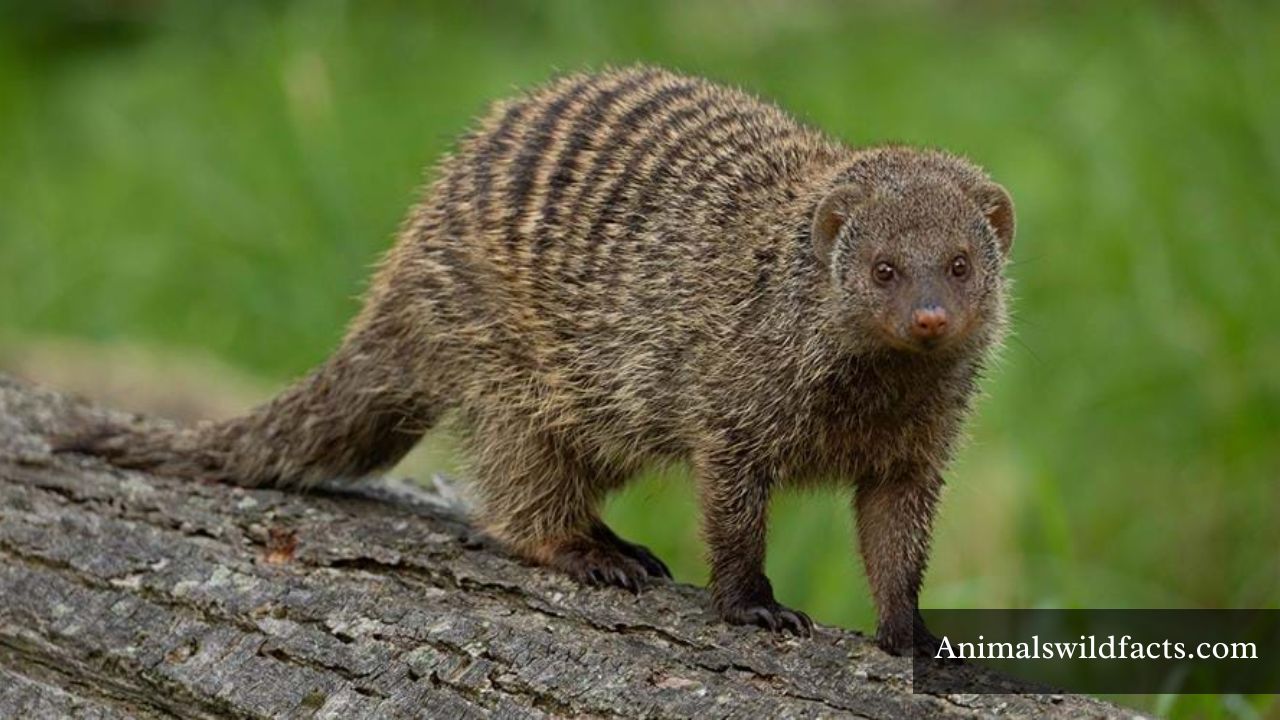
A mongoose typically has a slender, elongated body with short legs and a pointed snout. They usually have a bushy tail, which can be almost as long as their body. Their fur is often a mix of browns, grays, and reds, providing good camouflage in their natural habitats. Size-wise, mongooses vary by species, but they generally range from about 12 to 28 inches in length, not including their tail.