Top 5 Most Aggressive Dogs in the World
Dachshunds, Chihuahuas, and Jack Russell Terriers have shown high rates of aggression in behavioral studies, while American Pit Bull Terriers and Rottweilers are associated with concerns about serious bite injuries. No scientific ranking identifies one breed as the most aggressive worldwide.
A dog’s size, strength, and appearance rarely tell the whole story. Some small breeds react aggressively toward strangers, while larger dogs can cause greater harm during a confrontation. Even habits such as chewing through ultra tough dog toys reveal little about whether a dog will behave aggressively toward people.
Understanding which breeds appear in aggression research requires looking beyond their reputations and examining how they respond to unfamiliar situations.
What Makes a Dog Aggressive
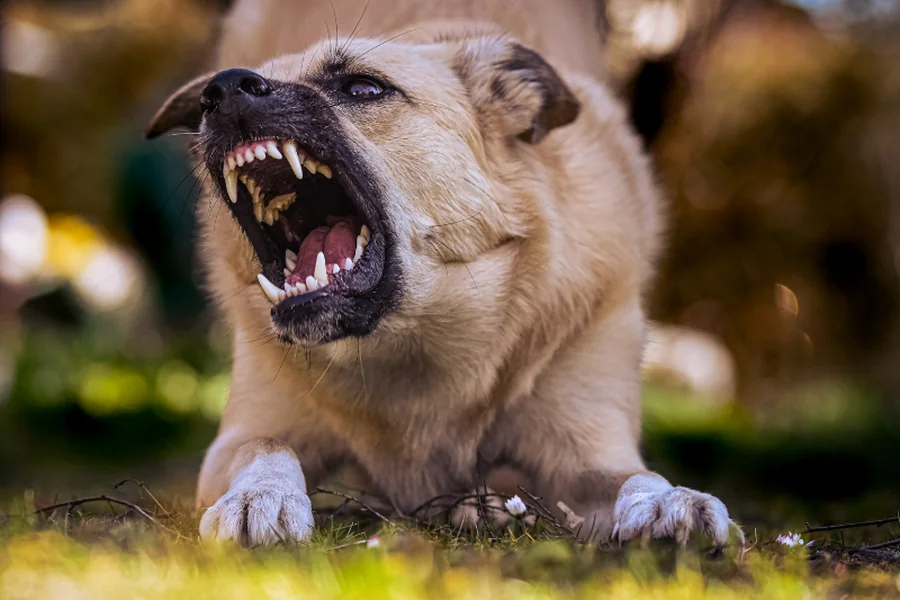
Dog aggression includes threatening or harmful behavior toward people or other animals, such as growling, lunging, snapping, and biting. These reactions can arise from fear, territorial behavior, frustration, pain, or the need to protect something valuable.
A frightened dog may snap when someone reaches toward its face. Another may growl when a person approaches its food. Territorial aggression can appear when unfamiliar people enter the home.
Genetics can influence behavior, but upbringing and everyday experiences also matter. A large behavioral study involving 9,270 dogs found associations between aggression toward people and fearfulness, small body size, older age, and several environmental factors.
Aggression also differs depending on the target. A dog that reacts strongly to unfamiliar animals may remain friendly toward people.
Top 5 Most Aggressive Dog Breeds
The following five breeds illustrate two different findings in canine research: frequent aggressive behavior and the potential for serious bite injuries. They are presented as a comparative list, not a scientifically established ranking.
1. Dachshund

Dachshunds are among the breeds most frequently associated with aggressive behavior in owner-reported studies.
Originally bred to hunt badgers, these small dogs developed persistence, confidence, and a willingness to confront animals much larger than themselves. Those traits can make them determined companions, but some also react defensively when frightened or approached unexpectedly.
Research published in Applied Animal Behaviour Science found Dachshunds among the breeds with higher reported rates of aggression toward strangers, household members, and other dogs.
Their behavior can become troublesome when owners overlook warning signs because of their small size.
A Dachshund that growls when someone approaches its bed may be expressing discomfort rather than trying to dominate the household. Respecting its space and rewarding relaxed behavior can prevent the situation from escalating.
Owners should also watch for discomfort during lifting or handling, especially given the breed’s susceptibility to back problems.
2. Chihuahua
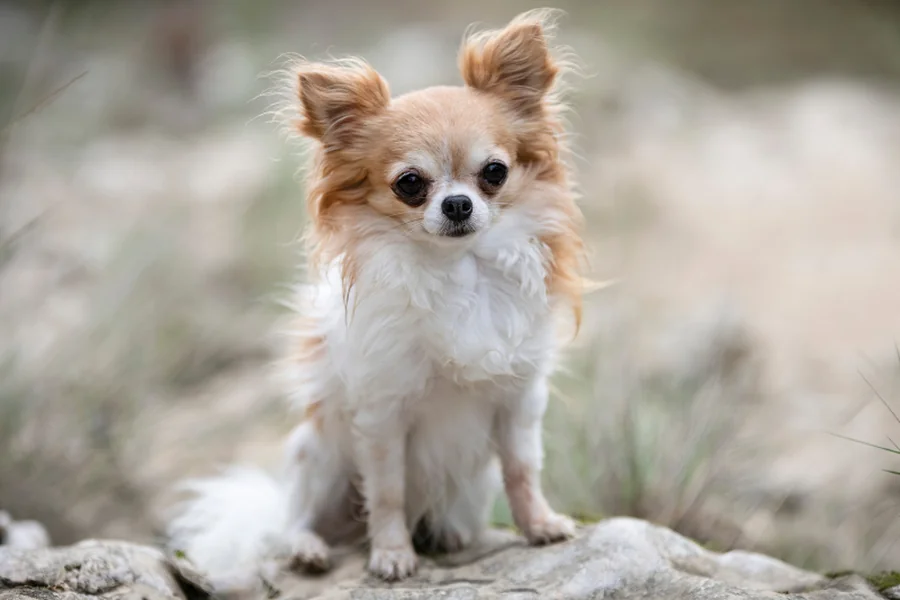
Chihuahuas are known for their alertness, close attachment to familiar people, and sometimes defensive reactions toward strangers.
Despite their small size, they can display persistent barking, growling, lunging, or snapping when they feel threatened.
Behavioral studies have reported relatively high levels of aggression among Chihuahuas, including reactions directed toward unfamiliar people and dogs.
Their physical vulnerability may contribute to defensive behavior. Being picked up without warning, cornered by visitors, or approached by a much larger animal can make a Chihuahua feel unsafe.
Some owners unintentionally reinforce these reactions by carrying their dogs away from every unfamiliar situation without helping them develop confidence.
Gradual introductions, predictable routines, and positive experiences can help a Chihuahua become more comfortable.
The goal is not to make every Chihuahua enjoy attention from strangers. It is to help the dog remain calm and feel secure when unfamiliar situations arise.
3. Jack Russell Terrier
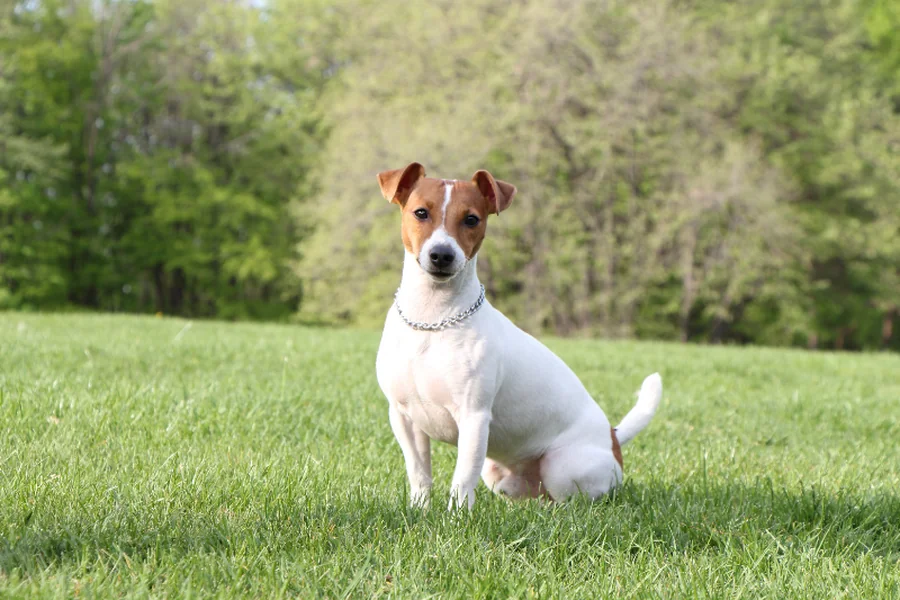
Jack Russell Terriers are energetic hunting dogs with strong instincts, quick reactions, and remarkable determination.
Their history as working terriers helps explain their persistence during play and their intense interest in moving animals.
In behavioral research, Jack Russell Terriers have appeared among breeds with higher reported rates of aggression toward people and unfamiliar dogs.
Their reactions can be especially noticeable when they become overexcited or frustrated.
Without suitable exercise, mental activity, and clear boundaries, some Jack Russells may struggle to settle around unfamiliar animals or busy environments.
Owners can help by providing structured games, scent activities, and short training sessions that reward calm responses.
These dogs also benefit from learning to disengage from distractions rather than being encouraged to chase everything that moves.
A Jack Russell’s high energy does not automatically make it aggressive. Its behavior depends on temperament, experiences, and how effectively its needs are met.
4. American Pit Bull Terrier
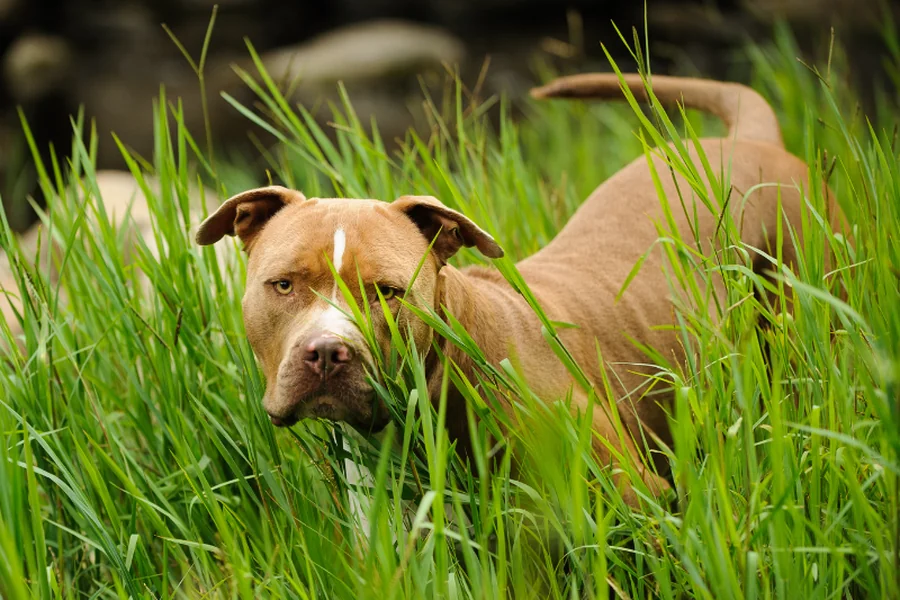
The American Pit Bull Terrier is a muscular, athletic dog frequently discussed in connection with serious dog bite injuries.
Its strength and physical abilities mean that aggressive encounters can have serious consequences.
Medical studies have reported severe injuries involving dogs identified as pit bull types. Yet these findings require careful interpretation because the term often includes several related breeds and mixed-breed dogs.
Behavioral research has also found elevated dog-directed aggression in some pit bull populations, without establishing equivalent rates of aggression toward humans.
This distinction matters because aggression toward another dog does not automatically predict aggression toward people.
American Pit Bull Terriers benefit from early socialization, consistent training, secure environments, and careful supervision around unfamiliar animals.
Owners should pay attention to their individual dog’s reactions rather than relying entirely on breed reputation.
A dog’s previous behavior, ability to recover from stressful situations, and responses to handling offer more practical information than appearance alone.
5. Rottweiler
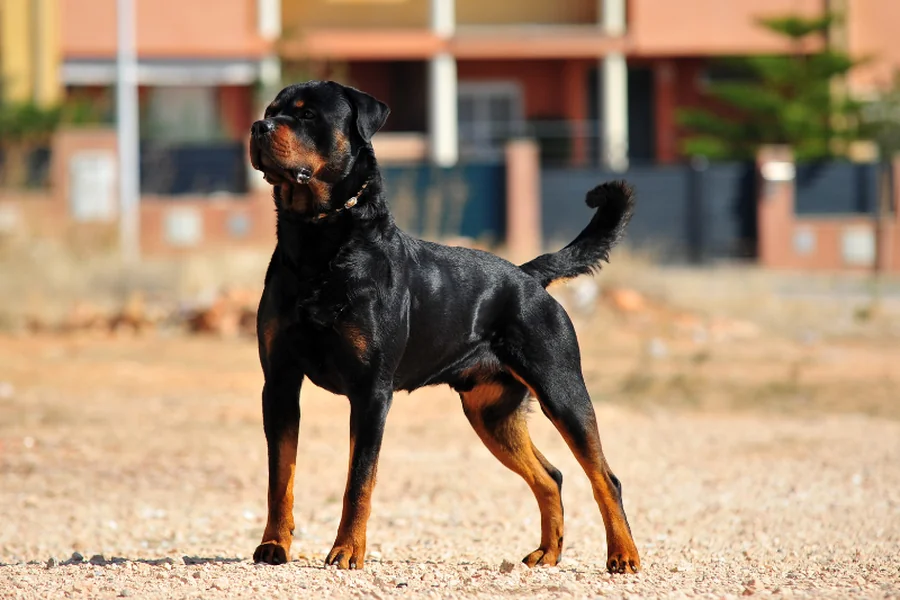
Rottweilers are powerful working dogs with a history of herding livestock and guarding property.
Their muscular build, confidence, and protective tendencies have contributed to their reputation as intimidating dogs.
Rottweilers also appear in medical studies examining serious bite injuries. Their size and strength can increase the consequences of an aggressive encounter.
Still, protective behavior should not be confused with uncontrolled aggression.
A Rottweiler may remain watchful around strangers without becoming threatening. Problems can arise when guarding behavior develops into repeated lunging, growling, or attempts to bite visitors.
Early socialization helps these dogs become familiar with different people, places, and ordinary household activities.
Owners also need reliable control during walks and introductions, especially when the dog is physically difficult to restrain.
A well-managed Rottweiler can be a steady companion. Assessing the dog’s temperament and providing appropriate guidance are far more useful than assuming aggression based on breed alone.
What Dog Aggression Research Reveals
The frequency of aggressive behavior and the severity of bite injuries are separate measures. A breed can score highly in aggression surveys without accounting for the most serious injuries.
Owner-reported studies capture behaviors such as growling, snapping, and attempted bites. These events may never result in medical treatment.
Hospital records provide a different picture because they concentrate on injuries requiring professional care.
A systematic review of dog bite studies found that pit bull-type dogs and German Shepherds were frequently identified in reports of severe injuries.
Such findings do not establish the likelihood that an individual dog will attack. Breed identification can be uncertain, and hospital reports rarely provide reliable counts of the total population of each breed.
Genetic research offers further perspective. A study of more than 18,000 dogs found that breed explained approximately 9% of variation in individual behavior.
This reinforces the value of assessing each dog’s history and temperament rather than treating breed as a dependable prediction of aggression.
Warning Signs of Aggression in Dogs
Common warning signs include a stiff body, prolonged staring, raised lips, growling, snapping, and sudden lunging. Recognizing these signals can help prevent a confrontation.
Some dogs show quieter signs before reacting. They may turn away, freeze, lick their lips, or attempt to escape.
A dog guarding its food might stop eating and become motionless when someone approaches. Another may stiffen when an unfamiliar dog gets too close.
These reactions deserve attention even when no bite occurs.
Never punish a dog simply for growling. Growling communicates discomfort, and suppressing that warning does not resolve the underlying problem.
Give the dog space, identify what caused the reaction, and avoid forcing further contact.
Managing Aggressive Behavior Safely
Aggressive behavior is best managed through safety measures, reward-based training, and attention to the situations that trigger a dog’s reactions.
Socialization should introduce dogs to unfamiliar experiences at a comfortable pace. Forcing frightened dogs into crowded settings or unwanted interactions can worsen their reactions.
Rewarding calm responses helps dogs develop safer ways to handle stressful situations.
Consistent routines also help. Dogs should have a quiet place to rest, predictable feeding arrangements, and opportunities for exercise suited to their age and physical condition.
When aggression involves food, toys, or resting spaces, manage access rather than repeatedly testing the dog’s tolerance.
Avoid physical punishment and intimidation. Veterinary behavior guidance supports reward-based methods and warns against aversive training.
If aggression appears suddenly, arrange a veterinary examination. Pain and illness can change how dogs respond to handling.
Repeated snapping, threatening behavior, or an existing bite history calls for individualized help from a qualified behavior professional.
Choosing a Dog Based on Temperament
A dog’s individual behavior, social history, and compatibility with its household provide a more useful safety assessment than breed alone.
Before adopting, consider the dog’s response to strangers, other pets, handling, and unfamiliar environments.
Ask about previous aggressive incidents and whether the dog needs special supervision or management.
Large guardian breeds may require experienced handling because of their strength, while smaller dogs with defensive tendencies still need patient training and clear boundaries.
The most suitable companion is not determined by size or reputation. It is the dog whose temperament, care requirements, and behavior fit the household’s ability to provide a safe, stable home.