
What Homeowners Tend to Ignore Until Something Goes Wrong
Small Problems Are Easy to Put Off
Owning a home comes with a long list of things to think about. Some are obvious, like cleaning, paying bills, or fixing something that is visibly broken. Others are much easier to forget because they quietly do their job in the background.
That is often how small problems become expensive ones.
A strange noise from an appliance, a minor leak under a sink, or a room that suddenly feels warmer than the rest of the house may not seem urgent at first. When everything is still technically working, it is easy to assume there is no real problem.
Heating and cooling systems are a good example. Changes in airflow, unusual sounds, inconsistent temperatures, or higher energy use can sometimes be early signs that something needs attention. When those issues become more noticeable, homeowners may eventually need services such as hvac repair sacramento rather than continuing to ignore a system that is no longer working as expected.
Paying attention early does not mean worrying about every small change. It simply means knowing what is normal for your home and noticing when something starts behaving differently.
The Roof You Rarely Look At
Most homeowners spend very little time thinking about their roof until water appears somewhere it should not.
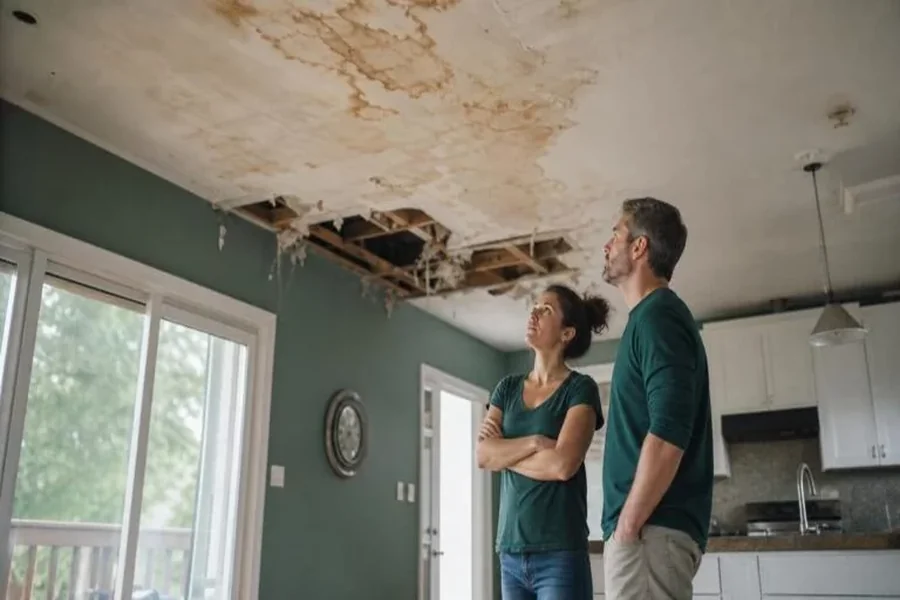
From the ground, everything may look perfectly fine. Meanwhile, damaged shingles, worn flashing, clogged gutters, or small gaps can gradually allow moisture into areas of the house that are difficult to see.
The problem with water is that visible damage may appear much later than the original issue.
A small leak can eventually affect insulation, ceilings, walls, and even structural materials. Checking the roof periodically, particularly after severe weather, can make it easier to spot potential problems before they travel further into the house.
Gutters deserve attention too. Their job may seem simple, but moving rainwater away from the property helps protect several other parts of the home.
Slow Drains and Small Leaks
A dripping faucet can become background noise surprisingly quickly.
The same is true for a sink that drains a little slower than usual or a toilet that occasionally continues running after it has been flushed.
Because these problems do not immediately stop people from using the bathroom or kitchen, they are easy to postpone.
But plumbing problems often give homeowners warning signs.
Things worth paying attention to include:
- Water pressure that suddenly changes
- Drains becoming consistently slower
- Damp spots inside cabinets
- Unexplained water stains
- Faucets or toilets that continue leaking
- Unusual smells coming from drains
Not every sign means there is a major plumbing problem. However, noticing changes early can make it easier to deal with the cause before water begins affecting surrounding materials.
Heating and Cooling Systems Working Harder Than They Should
Temperature problems are particularly easy to notice but surprisingly easy to tolerate.
Maybe one bedroom is always warmer. Perhaps the system seems to run longer than it used to. Homeowners often adjust the thermostat and continue with their day.
Over time, these small changes can become the new normal.
Heating and cooling systems depend on several components working together. Filters, vents, thermostats, electrical components, and the equipment itself all influence how efficiently conditioned air moves through a home. Homeowners can also review their electricity options and compare direct energy plans when looking for ways to better manage household energy costs.
Basic maintenance matters here. Replacing filters when necessary and keeping vents unobstructed are simple tasks, but homeowners should also pay attention to unusual sounds, smells, short cycling, weak airflow, or sudden changes in performance.
The goal is not to diagnose every issue yourself. It is to recognize when a system is behaving differently enough to deserve attention.
Moisture in Places It Should Not Be
Moisture problems do not always begin with a dramatic leak.
Sometimes the first sign is condensation that keeps returning. Other times, it might be a musty smell, peeling paint, discoloration around a window, or a damp area that takes unusually long to dry.
These signs are easy to dismiss individually.
However, persistent moisture can create problems for walls, flooring, cabinetry, and other materials. It can also indicate that ventilation, plumbing, drainage, or another part of the home needs attention.
Bathrooms, kitchens, basements, laundry areas, and spaces around windows are particularly worth watching because they regularly encounter water or humidity.
Finding the source is more important than simply covering the visible evidence.
Electrical Issues That Seem Minor
Electrical systems are another part of the home that most people expect to work without much thought.
You plug something in, flip a switch, and expect an immediate response.
That is why small changes can be easy to dismiss. A light that flickers once may mean very little, but repeated flickering, outlets that feel unusually warm, breakers that frequently trip, or switches that stop behaving normally deserve more attention.
Electrical work is also one area where DIY experimentation can create unnecessary risks.
Homeowners do not need to understand everything happening behind their walls. They should, however, know when something appears unusual and when professional assessment is the safer option.
Appliances Usually Give Some Warning
Major appliances rarely receive much attention while they are working properly.
The refrigerator stays cold. The washing machine runs. The dishwasher cleans the dishes. Then one day, something stops.
In many cases, however, appliances change before they completely fail.
A refrigerator might run more frequently. A washing machine may begin vibrating differently. A dryer may take longer to dry the same load. A dishwasher might leave water behind.
These changes can sometimes indicate simple maintenance needs rather than immediate replacement.
Cleaning filters, checking seals, keeping vents clear, and following recommended maintenance can help appliances operate properly for longer.
Windows and Doors Can Quietly Lose Efficiency
Windows and doors are used every day, yet their condition is often overlooked.
Over time, seals can deteriorate, frames can shift, and small gaps can develop. Homeowners may first notice a draft, outside noise, difficulty opening or closing something, or a room that is harder to keep comfortable.
Individually, these problems can seem minor.
Together, they can influence indoor comfort and make heating or cooling more difficult than necessary. Periodically checking weatherstripping, seals, locks, and frames is a relatively simple way to catch wear before it becomes more noticeable.
Outdoor Areas Need Attention Too
Home maintenance does not stop at the front door.
Drainage, trees, exterior surfaces, fences, driveways, and other outdoor features can all affect the property over time.
For example, water that repeatedly collects near the foundation deserves attention. Tree branches growing too close to a roof can become a problem during storms. Small cracks in exterior surfaces can gradually expand as weather conditions change.
A simple seasonal walk around the property can reveal a surprising amount.
Look for changes rather than perfection:
- New cracks or gaps
- Standing water
- Loose or damaged exterior materials
- Vegetation growing against structures
- Signs of water moving toward the house instead of away from it
Catching these changes early can make maintenance much more manageable.
A Little Attention Can Prevent a Lot of Stress
Most homeowners do not intentionally neglect their homes. Everyday life simply makes it easy to focus on whatever feels most urgent.
The problem is that houses rarely send notifications when something begins wearing out.
Instead, they give quieter signals: a different sound, a small stain, weaker airflow, a slow drain, a draft, or an appliance that suddenly needs more time to do the same job.
Paying attention to those changes can make a significant difference.
Sometimes, regular maintenance also reveals parts of a home that may need more than a simple repair. When homeowners begin researching larger improvements or renovation work, resources such as FindRemodeling.com can be useful during the early planning and research stage.
A home does not need constant fixing. It simply needs regular attention.
Because when small problems are noticed while they are still small, homeowners have far more options than they do after something finally stops working.