Top 10 Smartest Insects In The World – Amazing Facts & Behavior
You might think that they’re just a bunch of tiny little pests, but some insects are far from dumb and dumber. Learning, problem-solving, teamwork and migration are a few of the ways these insects have adapted to survive and thrive. In our list of the top 10 smartest insects we have honey bees, ants, cockroaches, termites, paper wasps, dragonflies, monarch butterflies, dung beetles, tarantula hawk wasps and praying mantises. They have abilities such as advanced communication, hunting or epic migration.
These insects demonstrate that smarts can come in small packages. They exhibit fascinating and important roles in our world. Studying their memory, learning and sociality reveals truths about evolution, survival & even robotics. These insects demonstrate intelligence can be found in tiny packages in the world of pollination, pest control and ecosystem health.
What Makes An Insect Smart?
First, we know they’re smart if they can learn, remember & react to the world around them. Insects are smart if they can problem solve, communicate & navigate. Honey bees dance to communicate food and ants take the shortest path on pheromone trails. Paper wasps learn to recognise faces and dung beetles navigate with the Milky Way. Dragonflies & praying mantises use maths to catch prey.
Learning, memory & sociality reflects intelligence. Insects can display intricate behaviours in spite of their tiny brain.
Table Of Top 10 Smartest Insects In The World
| Rank | Insect Name | Scientific Name | Key Ability |
| 1 | Honey Bee | Apis mellifera | Communication and memory |
| 2 | Ant | Formica spp. | Teamwork and navigation |
| 3 | Cockroach | Periplaneta americana | Learning and survival instincts |
| 4 | Termite | Reticulitermes spp. | Colony engineering |
| 5 | Paper Wasp | Polistes dominula | Facial recognition |
| 6 | Dragonfly | Anax junius | Hunting precision |
| 7 | Monarch Butterfly | Danaus plexippus | Long-distance navigation |
| 8 | Dung Beetle | Scarabaeus sacer | Celestial navigation |
| 9 | Tarantula Hawk Wasp | Pepsis spp. | Strategic hunting |
| 10 | Praying Mantis | Tenodera sinensis | Ambush tactics |
Top 10 Smartest Insects On The Planet
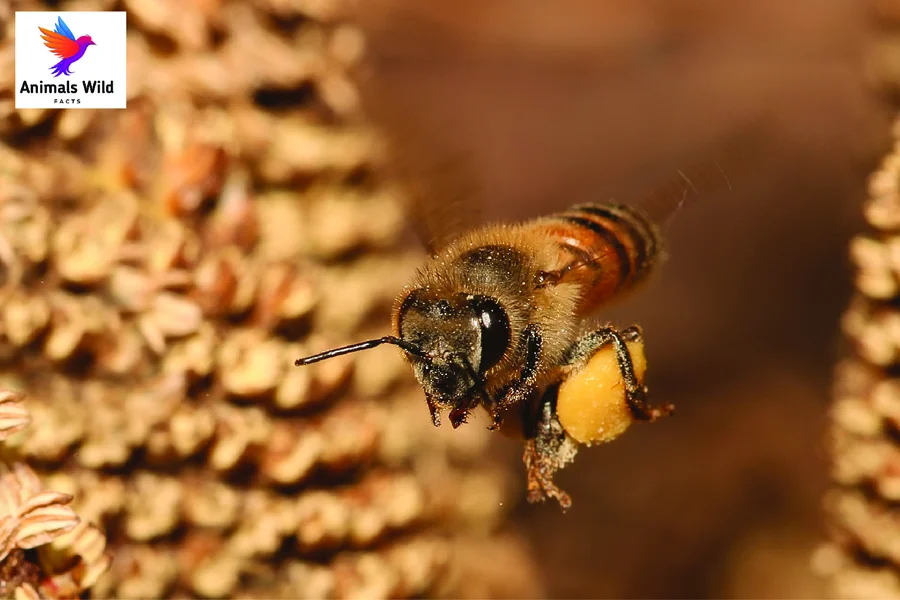
1. Honey Bee
Scientific Name: Apis mellifera
Class: Insecta
Diet: Nectar and pollen
Honey bees are organised into colonies. These include the queen, workers and drones. Workers collect food, clean the hive and care for the larvae; the queen lays the eggs and the drones mate with the queen. The waggle dance is a way for honey bees to share information about the location of food. This is an example of memory, learning and problem-solving.
Honey bees are able to learn patterns and human faces, traits uncommon to most insects. They can make wax to build hives with hexagonal cells to store honey and brood. They are found in forests, grasslands and in hives. They can learn and remember where they find good food and return to these locations, exhibiting long-term memory. They also learn when danger and other changes are present.
They pollinate many plants and crops. Honey bees display advanced intelligence through their navigational skills, communication and cooperation abilities, despite their tiny brains. They can work as a group and communicate about different locations. They must work together and be adaptable. Skilled in memory, communication and navigation, honey bees are one of the brightest insects around.
Fun fact: Honey bees can recognize human faces using patterns.
2. Ant
Scientific Name: Formicidae
Class: Insecta
Diet: Omnivorous (plants, insects, or food scraps)
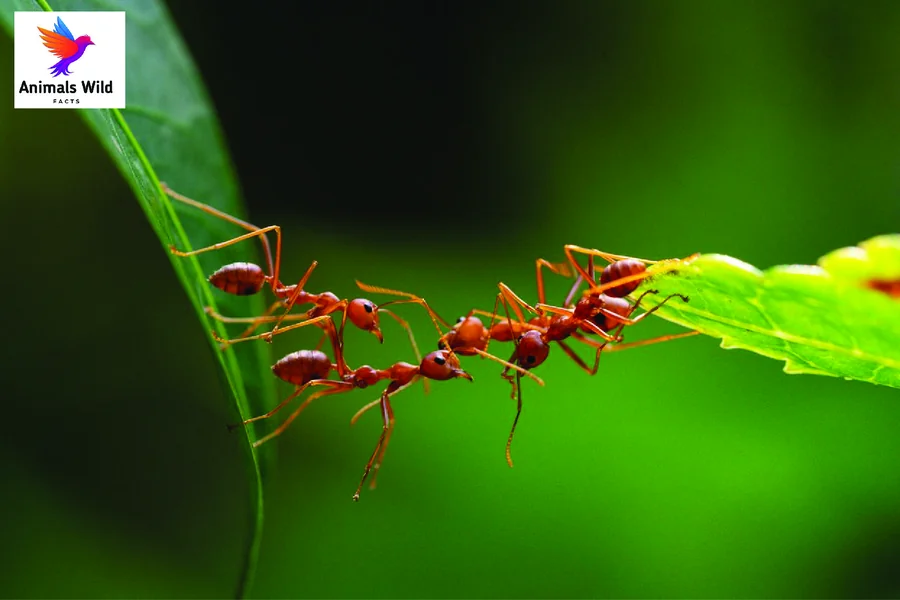
Ants are social insects, and are organised into colonies. Ants are classified into workers, soldiers and nurses. Ants use pheromones for communication, and can signal to one another about the presence of food or threats. This allows them to communicate to others about the quickest route to food, and respond to an ever-changing environment, demonstrating problem solving abilities.
Ants are able to farm fungi, round up aphids for their honeydew, and build elaborate nests with tunnels, chambers and ventilation, demonstrating architectural abilities. They can live in forests, grasslands and urban areas. Some ants can count steps to keep track of how far they travelled, and remember the fastest way back to the nest. Ants can collaborate to achieve tasks, such as forming chains or rafts, showing sociability.
Ants can also learn to avoid dangers they encounter. Ants can take on several roles simultaneously and work together to survive. Their success stems from organization, memory, learning and coordination. Ants’ ability to learn, prioritise tasks and solve spatial problems is evidence of their intelligence.
Fun fact: Some ants create living bridges with their own bodies to cross gaps.
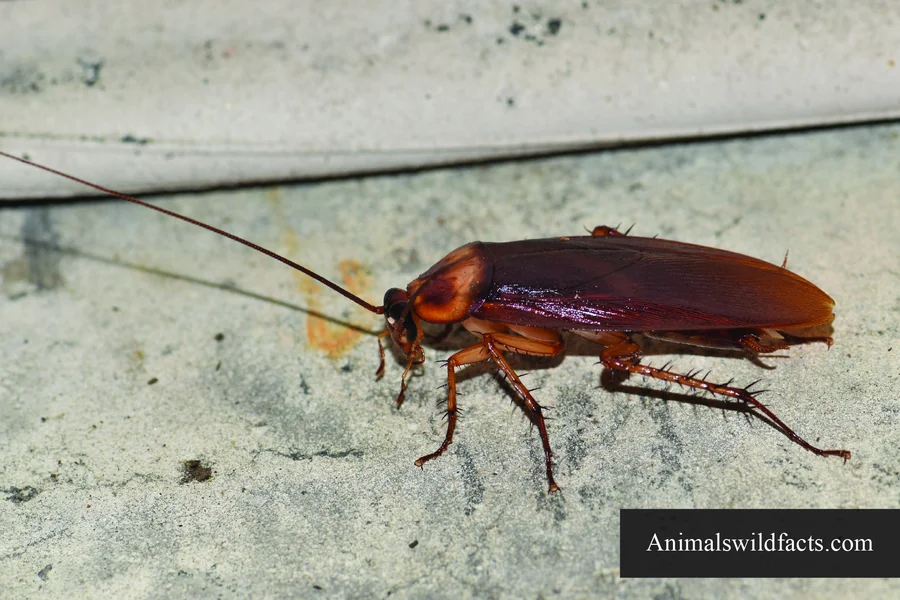
3. Cockroach
Scientific Name: Periplaneta americana
Class: Insecta
Diet: Omnivorous (organic matter, food waste, paper)
Cockroaches are known for their exceptional survival skills and learning ability. They survive in extreme environments and easily adapt. Cockroaches are able to learn, navigating around traps they have encountered once. They scurry away from danger, via fast reactions.
Cockroaches live in moist, dark places, for example in our homes, sewers and forests. They live in communities and nest together, but can also be alone. They are nocturnal to avoid predators. They can live in humans, survive for weeks without food and live for a short time without a head (their nervous system is simple).
Cockroaches’ smarts are shown in their navigation of the environment, memory and ability to adapt, not social or nesting behaviour. They can learn to avoid a smell associated with danger. They learn quickly and employ survival strategies in different environments. Though viewed as pests, their learning, adapting and navigating skills are highly sophisticated for an insect with a brain.
Fun fact: Cockroaches can remember negative experiences for extended periods.
Read Also: Animals With Webbed Feet
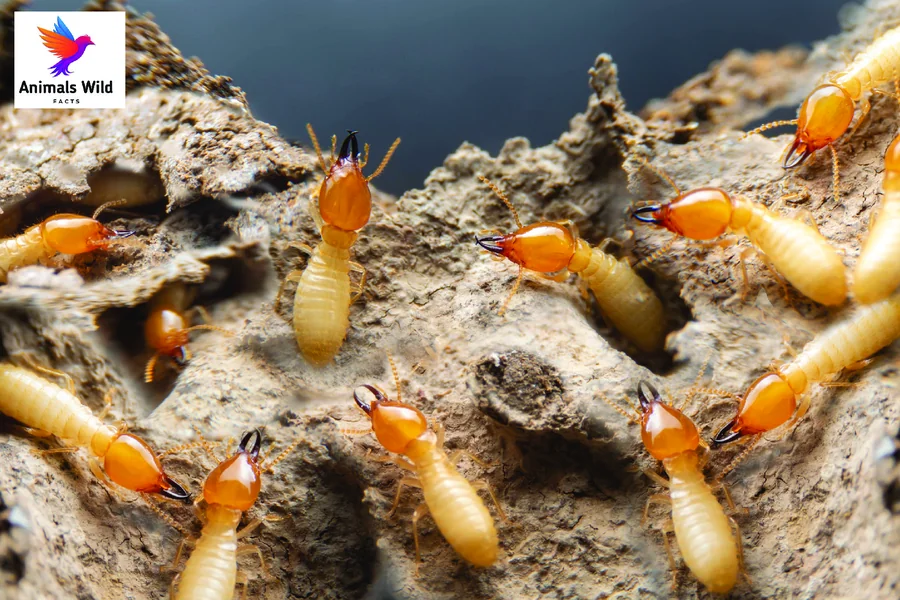
4. Termite
Scientific Name: Isoptera
Class: Insecta
Diet: Cellulose (wood, plant material)
Termites are social animals that have a cast system. Some of them collect food, some are soldiers and the queen lays eggs. They’re also highly intelligent in constructing their homes. Termite mounds have temperature regulation. They can reach several metres and have multiple chambers for nurseries, food storage and ventilation.
Pheromones are used for communication to divide labour and forage. Some have fungus gardens in their nests to help digest cellulose, displaying complex resource management. They’re found in forests, grasslands, and even urban areas, in warmer climates. They repair damaged nests, displaying organisation and problem solving skills. They also have social behaviours called swarm intelligence where each individual communicates simple rules to the group to perform complex activities. This allows them to construct intricate structures to protect their colony.
Termites ability to adapt to environmental changes, maintain social order & efficiently manage resources makes termites some of the smartest insects. Their building, communication and problem-solving skills are impressive for such a tiny creature.
Fun fact: Termite mounds can regulate internal temperature without any mechanical devices.
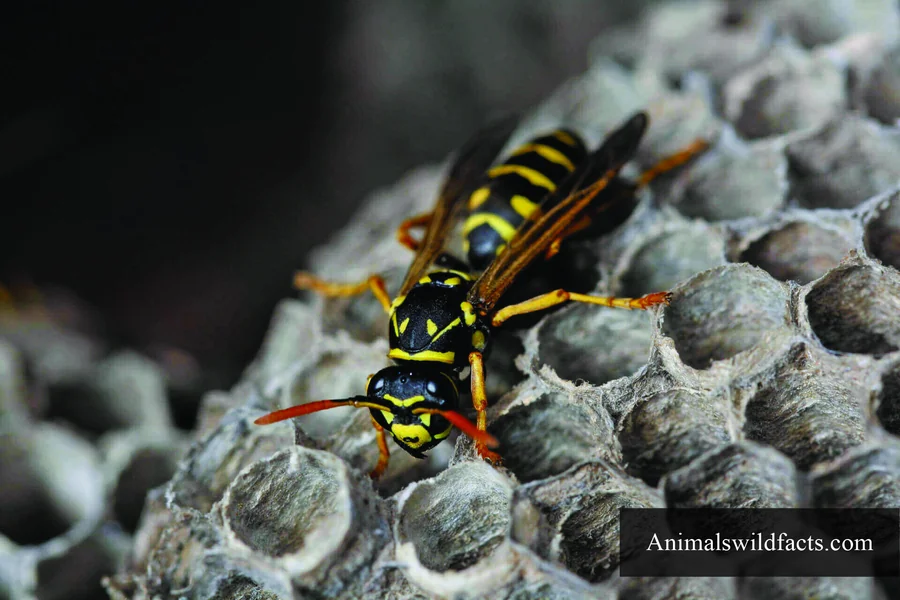
5. Paper Wasp
Scientific Name: Polistes dominula
Class: Insecta
Diet: Nectar and small insects
Paper wasps are social insects that have small colonies and nests constructed from plant fibres and saliva, hence the name. Nests consist of a queen and workers with some division of labour. Paper wasps are smart because they can recognise faces and recognise other wasps in the colony to reduce aggression and encourage peace. Paper wasps prey on small insects to feed their larvae, and collect nectar from flowers. Paper wasps typically build their nests in or on plants and buildings.
Wasps can learn to avoid threats and remember safe locations, demonstrating memory and learning ability. They are good flyers, allowing agility when hunting and attacking. Paper wasps are flexible, changing their roles and behavior as needed. They are social but also individualistic, so workers can become queens when necessary. They are spatially aware, socially smart and solve problems.
Learning, recognition and flexibility, not colony size or nest architecture, are key to survival for paper wasps. Their recognition, memory of previous encounters and communication mechanisms set them apart from other smart insects.
Fun fact: Paper wasps can remember and respond differently to familiar faces.
6. Dragonfly
Scientific Name: Anisoptera
Class: Insecta
Diet: Insects (mosquitoes, flies, small insects)
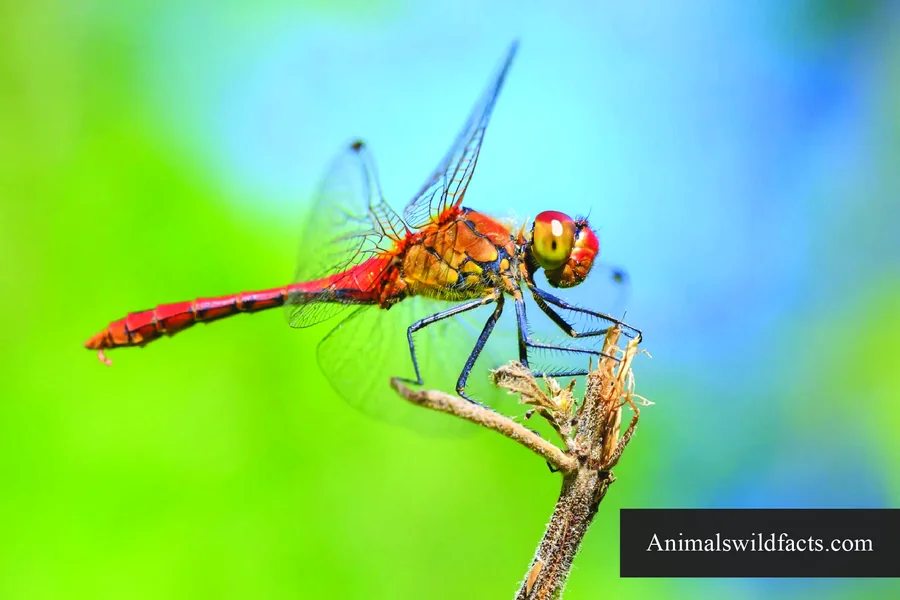
Dragonflies are expert flyers and hunters. Their eyes are large and allow them to see almost all around them. Their smarts are evident in accurate hunting. They monitor prey in flight, and can adjust course accordingly. They use speed and trajectory calculations for sophisticated perception. They live around freshwater bodies like ponds, lakes and rivers, and lay their eggs in or around water.
Their nymphs remain underwater for several months or years. The nymphs ambush and prey on small freshwater animals. Mature dragonflies establish territories, guard their breeding habitat, and learn to steer clear of predators. They can remember places and return to favourable hunting grounds. Dragonflies are also bio-indicators of water quality, since they require pristine water to thrive. Their high-speed flight, lightning reflexes and clever hunting patterns are among the most advanced of the insect world. Their brains are tiny but the nervous system enables sophisticated motor skills and spatial orientation. They are solitary but can swarm together when migrating.
Dragonflies also engage in mating behaviors that require precise timing and coordination. Their skills are not social ones, like those of bees and ants, but hunting ones. This skill set demonstrates different types of intelligence among insects.
Fun fact: Dragonflies can intercept prey mid-air with a success rate over 95%.
7. Monarch Butterfly
Scientific Name: Danaus plexippus
Class: Insecta
Diet: Nectar from flowers
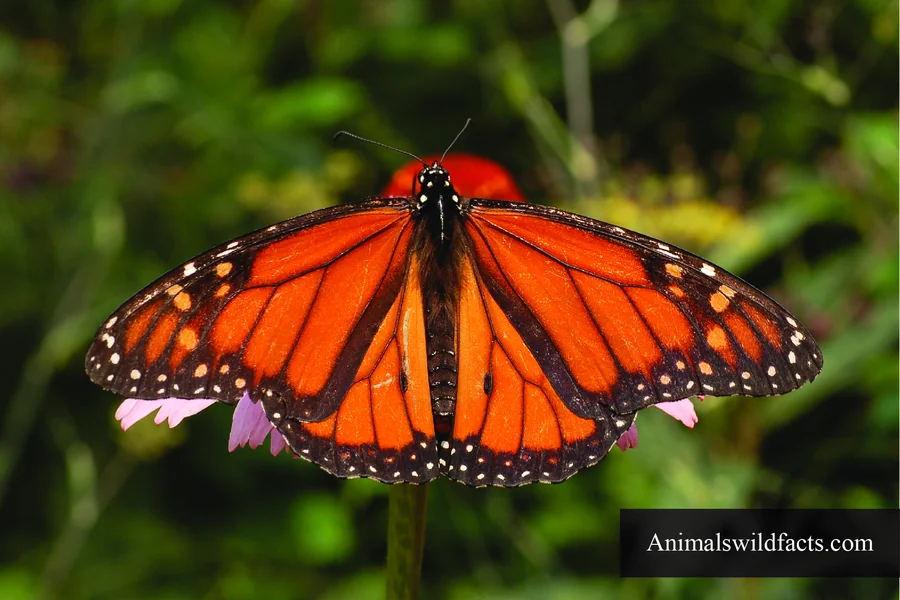
Monarch butterflies are most famous for their impressive migratory ability, which showcases their learning and navigation skills. They fly thousands of kilometers from their host sites in North America to their overwintering grounds in Mexico. They have small brains but rely on landmarks, including the sun and Earth’s magnetic fields. Monarchs are nectarivores and lay eggs on host plants such as milkweed. Their caterpillars eat milkweed and are toxic to predators.
Monarchs can learn from each other about the best places for nectar. They respond to changing conditions during migration, such as changes in weather or habitat. They live in forests, meadows and gardens. Monarch populations are affected by climate change, and their migration routes are under threat from deforestation. Despite this, monarchs are highly intelligent creatures that know how to conserve energy on migration and find the best stopovers. They also rely on chemical cues to detect predators, indicating they have learned to associate.
The butterfly’s ability to orient itself over long distances, remember safe routes & efficiently exploit food sources.. It’s a memorably intelligent insect for these reasons. Monarch butterflies may be delicate, but they are highly intelligent.
Fun fact: Monarch butterflies can travel over 4,000 kilometers during migration.
Read Also: Animals With Claws
8. Dung Beetle
Scientific Name: Scarabaeidae
Class: Insecta
Diet: Animal feces (dung)
Dung beetles are wizards of the wind and resourcefully hoon. They transport balls of animal dung as food or nesting material. Some dung beetles use the Milky Way and polarized moonlight to walk in straight lines at night, a unique ability in insects. They are smart, with memory and problem-solving skills. They guard the dung balls they bury from other beetles.
Dung beetles are found in various environments, such as forests, grasslands and deserts. They are crucial to recycling nutrients through dung. Dung beetles of both sexes may work together to transport balls. They are skilled in digging and rolling. Some species steal balls from others, exhibiting opportunism and cunning.
Dung beetles also identify scents to find dung. They can discriminate between different types of dung. Dung beetles have impressive intelligence for their survival, foraging, and reproduction. They improve the environment by aerating soil and reducing parasites. They use vision, memory & foraging skills to achieve their intelligence.
Fun fact: Dung beetles can navigate using the Milky Way.
9. Tarantula Hawk Wasp
Scientific Name: Pepsis spp.
Class: Insecta
Diet: Nectar (adults); tarantulas (larvae)
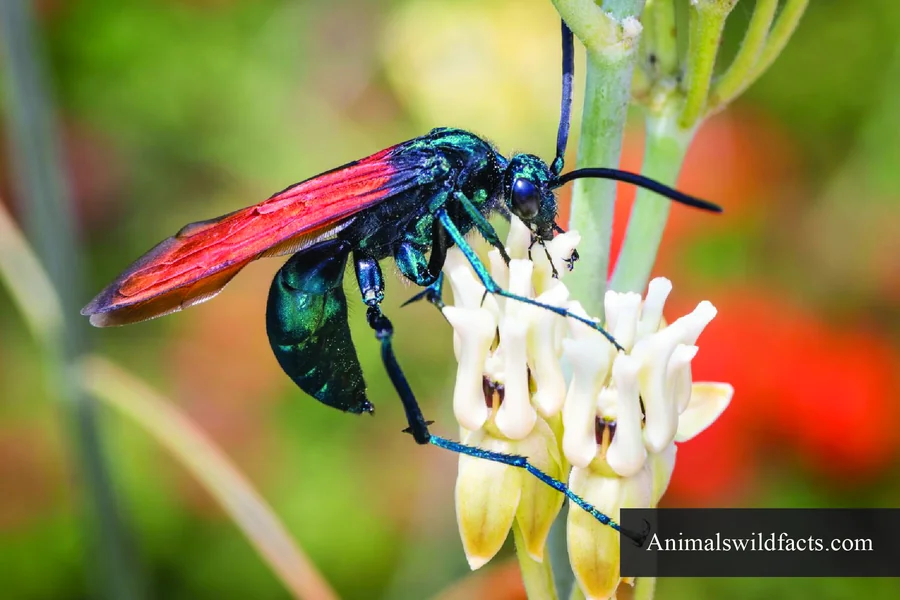
Tarantula hawk wasps are known for their strategic hunting techniques. Adults eat nectar, but they place their eggs in paralyzed tarantulas for the larvae to eat. Their predatory skills involve problem-solving, strength evaluation & targeted stings.
Tarantula hawks locate their prey via pheromones and vibrations. They paralyse the tarantula with a sting and drag it back to a nest. They live in deserts, forests and grasslands. They are capable of memory retention to return to productive prey grounds and identify potential predators. The offspring are fed exclusively on a tarantula. Adults learn where to find flowers and profitable nectar sources. Being solitary, they focus more on individual survival.
Tarantula hawks are one of the few insects that can plan a series of actions involving locating, incapacitating, transporting and building a nest. The wasp’s brain processes quick evaluation, sensory perception and action. This makes them a highly advanced insect predator. Despite such bulk and fearsome reputation, the wasp learns and remembers to thrive.
Fun fact: The sting of a tarantula hawk is one of the most painful insect stings in the world.
10. Praying Mantis
Scientific Name: Mantodea
Class: Insecta
Diet: Insects, small vertebrates
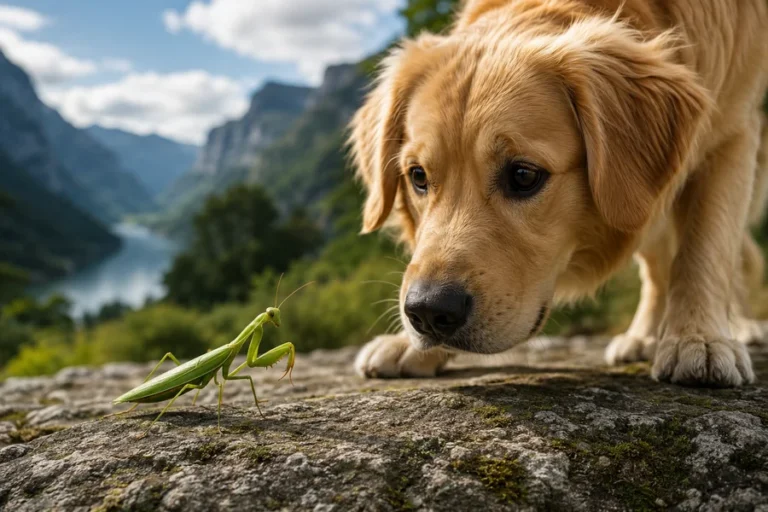
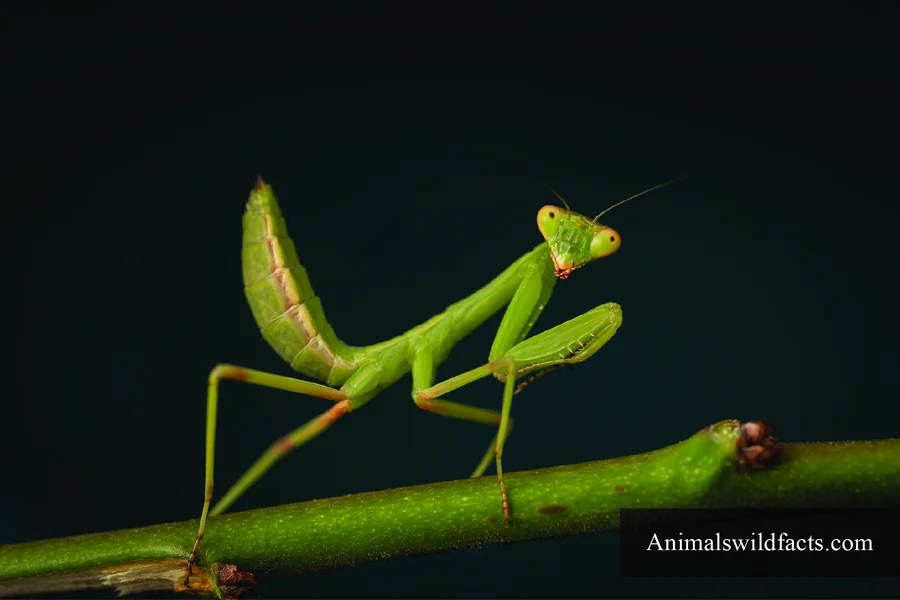
Praying mantises are sit-and-wait predators with a long attention span. They sit still until prey is within grabbing distance. They have big, sophisticated compound eyes to perceive movement and depth. Mantises have the ability to turn their heads. They are smart in how they hunt, camouflage, and survive.
Mantises prey on insects, and sometimes reptiles, birds or amphibians. They live in forests, grasslands, and gardens. Mantises learn to enhance hunting skills, and adjust their strategy if prey escapes. They use visual clues to help place themselves strategically and avoid getting eaten. Praying mantises also exhibit sexual cannibalism, possibly as a mating strategy. They are solitary & focus on survival.
They have a short memory, particularly for successful hunting. They exhibit patience, calculation & motor skills. They are therefore one of the smartest insects when it comes to ambushing & hunting prey. Though tiny, mantises’ capacity to make decisions, respond to their environment & act effectively is proof of their predatory intelligence.
Fun fact: Praying mantises can turn their heads nearly 180 degrees to track prey.
Why Insects Matter For The Planet
Insects play vital roles in ecosystems and for human well-being. Insects pollinate food crops and native plants to produce food and maintain ecosystems. Ants and termites aerate soil and redistribute nutrients, helping plants grow. Pest-eating insects, such as dragonflies and praying mantises, help manage pests without chemicals. Dung beetles recycle animal droppings, reducing disease and improving soil. Insects also provide food for birds, amphibians and mammals. Their abilities to communicate, navigate and survive are a reminder that small animals play a big role. Insect protection preserves biodiversity and ecosystem integrity.
Final Words
The top 10 smartest insects demonstrate smarts in many forms. They, from the dance language of honey bees to the celestial navigation of the dung beetle, have memory, problem-solving & adaptability. They teach us about the effects of tiny animals on human health and the environment. Their hunting, social & foraging skills train co-operation, strategy & survival. Understanding their abilities creates appreciation for, and protection of, all creatures, regardless of their size.
From their communication to cognition, each insect offers insights into the evolution of intelligence. Protecting their habitat and habits supports biodiversity & ecosystems.
Smart insects are a reminder that even the smallest life forms can have a huge impact.
FAQs:
Q1: What makes an insect “smart”?
A: An insect is considered smart if it can learn, remember, adapt, solve problems, or communicate effectively. Examples include bees using waggle dances or ants finding shortest paths to food.
Q2: Which insect is considered the smartest?
A: Honey bees are often ranked the smartest for their communication, learning ability, and teamwork in colonies.
Q3: Can insects recognize faces?
A: Yes, paper wasps can recognize individual faces of colony members, reducing conflicts and maintaining social order.
Q4: Do insects use tools?
A: Some insects show basic tool use. For example, certain ants use leaves or small objects to transport food or defend their nest.
Q5: How do dung beetles navigate so well?
A: Dung beetles can navigate using the Milky Way, polarized moonlight, and landmarks to move in straight lines even at night.
Q6: Are cockroaches really intelligent?
A: Cockroaches are smart in survival skills. They can learn to avoid traps, remember threats, and quickly adapt to new environments.
Q7: Do monarch butterflies remember migration routes?
A: Yes, monarchs rely on memory and environmental cues like the sun and magnetic fields to migrate thousands of kilometers annually.
Q8: How do termites show intelligence?
A: Termites use swarm intelligence to build complex mounds, manage resources, farm fungus, and coordinate colony tasks efficiently.
Q9: What hunting strategies show insect intelligence?
A: Predatory insects like dragonflies, praying mantises, and tarantula hawk wasps display strategy, ambush skills, and precise motor control.
Q10: Why are these insects important for ecosystems?
A: Smart insects support pollination, soil fertility, pest control, and ecological balance, making them critical for the environment.