Interesting Top 11 Animals with Big Noses (With Images)
In this article, we’ll explore fascinating animals with big noses, from the distinctive proboscis monkey to the engaging African elephant. Understanding these remarkable features not only highlights the diversity of animal adaptations but also sheds light on how these unique snouts play crucial roles in survival, communication, and more. Join us as we delve into the world of creatures that nose their way into our hearts!
List of Animals with Big Noses
Here is the list of animals that have big noses:
- Proboscis Monkey
- Elephant Shrew
- Aardvark
- Tapirs
- Elephant
- Saiga Antelope
- Star-Nosed Mole
- Elephant Seal
- Sawfish
- Long-nosed Bandicoot
- Hammerhead Shark
Proboscis Monkey
Scientific Name: Nasalis larvatus
Class: Mammalia
Diet: Folivorous
The proboscis monkey, native to the humid rainforests of Borneo, stands out not just for its distinctive appearance but also for its fascinating adaptations. With its prominent nose — sometimes stretching up to 4 inches — males use this impressive feature to attract mates, producing a resonating honk that echoes through the jungle. This oversized appendage is not merely for show; it plays a crucial role in their social dynamics. The size and shape of the snout can signal health and vitality, thereby influencing mating success.

Beyond its striking visage, the proboscis monkey’s diet showcases its evolutionary prowess. Primarily herbivorous, they feast on leaves, fruits, and seeds that are often too tough for other animals to digest. Their unique digestive system is adapted to break down these fibrous foods, enabling them to thrive in a competitive habitat. These monkeys are remarkable swimmers, using their webbed feet to swiftly navigate rivers and marshes, further showcasing their adaptability to Borneo’s diverse ecosystems.
Elephant Shrew
Class: Mammalia
Diet: Insectivorous
The elephant shrew, despite its name, is neither an elephant nor a true shrew but a fascinating example of evolutionary whimsy. With its long, protruding snout, this creature has mastered the art of foraging, using its sensitive nose to sniff out insects, fruit, and small invertebrates hidden beneath leaf litter. This remarkable adaptation not only aids in finding food but also highlights a unique aspect of survival: the ability to thrive in diverse African habitats.
Their large noses are packed with olfactory receptors, allowing these small mammals to detect scents from great distances. This is particularly advantageous in the dense underbrush of their habitats, where vision may be limited. Interestingly, the elephant shrew’s keen sense of smell plays a crucial role in communication, helping them locate mates and establish territory through scent markings. Thus, while they may look cute and unassuming, elephant shrews are equipped with sophisticated tools for navigating their complex environments, showcasing the elegance of nature’s designs.
Readmore: Explore Top 14 Animals with Long Necks.
Aardvark
Scientific Name: Orycteropus afer
Class: Mammalia
Diet: Insectivorous
The aardvark, an unassuming marvel of the animal kingdom, showcases its distinctive long snout not merely for aesthetic appeal but as a sophisticated tool for survival. This nocturnal creature, native to Africa, has evolved to become a master forager, utilizing its sensitive nose to detect the subterranean movements of ants and termites. With a keen sense of smell, the aardvark can locate its dinner just a few feet below the surface, digging up to 50,000 ants in a single night. This dietary preference not only highlights its specialized adaptations but also underlines its role in ecosystems, as it helps control insect populations.

Beyond its feeding habits, the aardvark’s oversized nose also serves a dual purpose in communication and thermoregulation. By breathing through its nostrils and absorbing moisture from the cool evening air, it effectively manages body temperature in the often sweltering climates where it resides.
Tapirs
Scientific Name: Tapirus
Class: Mammalia
Diet: Herbivorous
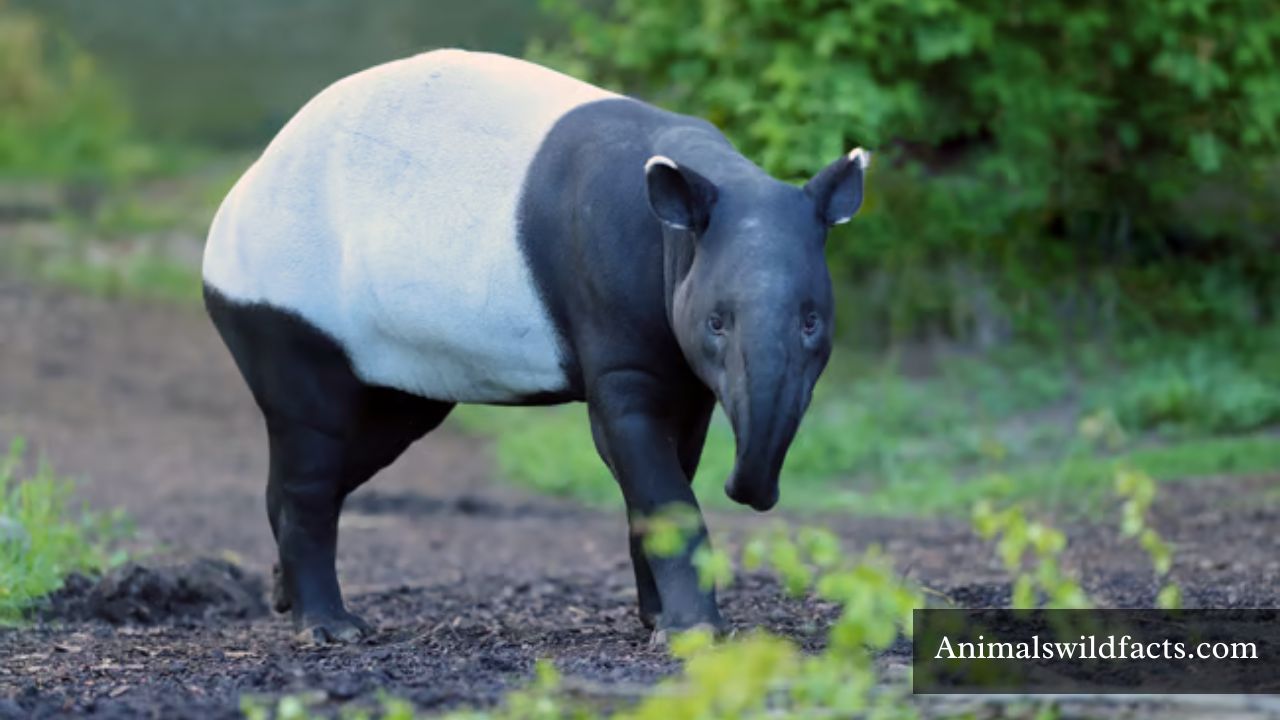
Tapirs, the often-overlooked denizens of tropical rainforests, boast an unmistakable feature: their elongated noses. These fascinating mammals use their snouts not just for breathing but as versatile tools for foraging. With an impressive ability to grasp foliage, tapirs employ their noses to reach and pull leaves, fruits, and aquatic plants, making them expert herbivores in their lush habitats. This unique adaptation highlights the incredible evolutionary ingenuity of these creatures, allowing them to thrive in dense environments where competition for food can be fierce.
Moreover, tapirs possess a remarkable sense of smell, which plays a pivotal role in their survival. This heightened olfactory capability not only aids in locating food but also in detecting predators lurking in the underbrush. In a world where many animals rely on acute vision or hearing, the tapir’s reliance on scent showcases the diversity of survival strategies in the animal kingdom. Their big noses remind us that adaptation can take many forms, enriching our understanding of biodiversity and ecosystem dynamics.
Elephant
Scientific Name: Loxodonta africana (African), Elephas maximus (Asian)
Class: Mammalia
Diet: Herbivorous
The elephant’s trunk is not just an astonishingly long appendage; it’s a multifaceted tool that embodies the wonders of evolution. This remarkable organ, which can extend up to six feet, serves as a nose, hand, and even a communication device. With over 40,000 muscles in its trunk, elephants can perform delicate tasks, such as picking a single blade of grass, while also wielding the strength to uproot a tree. This versatility stands as a testament to their adaptability in diverse habitats, showcasing an exquisite balance between brute force and fine motor skills.

Beyond its practical uses, the trunk plays a vital role in the elephant’s social life. These gentle giants use it for intricate forms of communication, from subtle touches that convey affection to powerful trumpeting that signals danger. The trunk also aids in non-verbal conversations among family members, allowing mothers to guide their young with gentle nudges. This emotional intelligence highlights not only the bond they share but also the depth of their social structures, making their interactions rich and nuanced. Through the lens of the elephant’s trunk, we gain insight into a world where survival, empathy, and communication intertwine, reminding us of the intricate fabric of life in the animal kingdom.
Saiga Antelope
Scientific Name: Saiga tatarica
Class: Mammalia
Diet: Herbivorous
The Saiga antelope, a remarkable species found across the vast steppes of Central Asia, boasts one of the most distinctive features in the animal kingdom: its oversized, bulbous nose. This unique adaptation serves purposes well beyond mere aesthetics. The Saiga’s large nasal cavity filters dust particles and regulates air temperature, allowing it to thrive in the harsh, arid climates of its habitat. This fascinating nasal structure is perfectly designed to enable the antelope to take deep breaths even in high-dust environments, ensuring that it maintains optimal respiratory function during the sweltering summer months.
Moreover, the Saiga’s big nose plays a critical role in social interactions and mating rituals. Males use their prominent features to attract females, particularly during the breeding season when they amplify their vocalizations. This flamboyant display, accompanied by characteristic movements, adds an intriguing layer to their courtship, showcasing the intersection of physical adaptation and behavioral ecology. As the Saiga population faces the pressures of climate change and habitat loss, understanding these extraordinary adaptations offers a glimpse into how evolution shapes life in challenging environments, reminding us of the intricate tapestry of survival in the animal kingdom.
Star-Nosed Mole
Scientific Name: Condylura cristata
Class: Mammalia
Diet: Insectivorous
The star-nosed mole, with its peculiar and mesmerizing appendage, offers a fascinating glimpse into the adaptability of nature. Unlike any other animal, its snout is adorned with 22 fleshy tentacles, allowing it to explore its subterranean habitat with incredible precision. Each of these unique “fingers” is packed with sensitive touch receptors, making the star-nosed the ultimate forager in dark and damp environments. As it burrows through mud, it uses this elaborate nose to detect snacks like insects and small invertebrates with dizzying speed — an astounding ability that enables it to consume up to 50 meals a day.

In addition to its remarkable feeding prowess, the star-nosed mole plays a crucial role in aerating and enriching the soil as it tunnels through its environment. This small but mighty creature also holds the title for the fastest-eating mammal, capable of identifying and processing food faster than the blink of an eye. Such evolutionary adaptations reflect not just the survival instincts of the mole but also the intricate relationships within its ecosystem, showcasing how even the most unconventional features can be perfectly honed for survival.
You can also read: Explore Top 15 Animals with Long Horns.
Elephant Seal
Class: Mammalia
Diet: Carnivorous
The elephant seal, with its remarkable proboscis, is a fascinating creature that epitomizes the wonders of evolution. Males, particularly, sport a pronounced nose that can grow up to two feet in length, serving both as a tool for communication and a symbol of dominance during mating season. This elongated snout amplifies their loud, bellowing calls — auditory signals that resonate across vast stretches of coastline, reinforcing the social hierarchy among breeding males.
Beyond its striking appearance, the nose of the elephant seal has a functional aspect that few know about: it helps regulate body temperature. During deep dives in frigid waters, the distinctive structure aids in conserving heat, a vital feature for an animal that can plunge to depths of over a mile. The seal’s nose also contains specialized adaptations for detecting scents in the air, guiding it back to shore or helping it hunt in the ocean’s depths.
Sawfish
Class: Chondrichthyes
Diet: Carnivorous
Sawfish, with their elongated snouts resembling saw blades, captivate both scientists and marine enthusiasts alike. This unique adaptation serves multiple purposes: it’s not just a striking feature but an incredible tool for hunting and navigation. The sawlike rostrum is lined with sensitive electroreceptors, allowing these fish to detect the slightest movements of potential prey buried in the sand.

Beyond their hunting prowess, sawfish play a vital role in their ecosystems. As top predators, they help maintain the balance in coastal habitats by controlling fish populations. However, their fascinating anatomy comes with a twist — these elegant creatures face threats from habitat loss and fishing practices. Understanding these magnificent beings can inspire conservation efforts, reminding us that every sawfish saved can help sustain the delicate ecosystems they inhabit.
Long-nosed Bandicoot
Scientific Name: Perameles nasuta
Class: Mammalia
Diet: Omnivorous
The long-nosed bandicoot, a fascinating marsupial native to Australia and New Guinea, showcases a remarkable adaptation with its elongated snout. This unique feature isn’t just for show; it plays a crucial role in their survival. The long nose enables these nocturnal foragers to dig for insects and invertebrates buried deep in the ground, showcasing the delicate balance between evolution and environment. As they probe the soil, their sensitive nasal structures help them detect prey hidden beneath the surface, turning foraging into an intricate dance of scent and sound.
Moreover, the long-nosed bandicoot serves as a critical component of its ecosystem, contributing to soil aeration and nutrient cycling through its digging behavior. However, habitat loss and environmental pressures pose significant threats to their populations.
Hammerhead Shark
Class: Chondrichthyes
Diet: Carnivorous
The hammerhead shark, with its distinctive wide-set, flattened head, showcases one of nature’s most fascinating adaptations. This unique structure, often referred to as a “hammer,” isn’t just for show; it plays a crucial role in the shark’s hunting and sensory capabilities. The shape enhances the shark’s electroreception abilities, allowing it to detect the faint electric fields produced by prey, making it a formidable predator in the ocean depths.

Interestingly, the hammerhead’s head, or cephalofoil, also aids in providing improved vision. The eyes are positioned at the extremities of the hammer, granting a wider field of view and depth perception, which is vital for spotting prey and avoiding obstacles. This innovative design supports not only the shark’s survival but also its social behaviors; hammerheads often hunt in schools, leveraging their enhanced sensory perception to coordinate group movements while pursuing prey.
Readmore: Explore Top 20 Animals With Long Tail.
Final Thoughts
The world of animals with big noses is a testament to the wonders of evolution and adaptation. Each species not only thrives in its ecological niche but also contributes to the balance of its ecosystem, often in surprising ways. From enhancing their sense of smell to aiding in communication, these prominent features are essential for survival. As we delve deeper into the lives of these remarkable animals, we gain a greater appreciation for the diversity of life on our planet. It’s essential to advocate for their conservation and habitat protection, ensuring that future generations can also marvel at these incredible beings.
FAQs
What are the animals with big noses?
There are quite a few animals known for their distinctive big noses. One of the most famous is the elephant, which has a long trunk that serves multiple purposes, from grabbing food to drinking water. Another is the tapir, which has a short, flexible snout that helps it forage in the underbrush. Other notable examples include the proboscis monkey, named for its protruding nose. Lastly, the anteater’s elongated snout allows it to reach into ant mounds and termitaria.
What animal has the biggest nose in the world?
The elephant has the longest nose, or trunk, which can reach up to six feet in length. Elephants use their trunks for various purposes, including feeding, drinking, and interacting socially.