
Top 20 Animals With Flippers (With Pictures)
Did you know that some of the most agile swimmers in the animal kingdom have flippers instead of traditional limbs? Animals with flippers, like seals and penguins, have evolved fascinating adaptations that allow them to thrive in aquatic environments. Understanding these unique creatures not only deepens our appreciation for biodiversity but also highlights the incredible ways nature finds solutions to survival. In this article, we’ll explore a variety of flippered animals, their habitats, and what sets them apart.
List of Animals With Flippers
Below is the the list of animals that have flippers:
| Number of Animals | Names of Animals with flippers |
| 1 | Humpback Whale |
| 2 | Orca |
| 3 | Harbor Seal |
| 4 | Blue Whale |
| 5 | California Sea Lion |
| 6 | Walrus |
| 7 | Bottlenose Dolphin |
| 8 | Green Sea Turtle |
| 9 | Elephant Seal |
| 10 | Manatee |
| 11 | Leatherback Sea Turtle |
| 12 | Emperor Penguin |
| 13 | Dugong |
| 14 | Dall’s Porpoise |
| 15 | King Penguin |
| 16 | Leopard Seal |
| 17 | Kemp’s Ridley Sea Turtle |
| 18 | Sea Otter |
| 19 | Galapagos Penguin |
| 20 | Monk Seal |
Humpback Whale
Scientific Name: Megaptera novaeangliae
Class: Mammalia
Diet: Carnivore
Humpback whales, renowned for their acrobatic displays, use their powerful flippers not just for propulsion but also for intricate social interactions. These majestic marine mammals can grow up to 50 feet long and possess flippers that span nearly one-third of their body length. This unique morphology allows them to maneuver gracefully through turbulent waters, enabling impressive breaching and slapping displays that communicate with other whales, and perhaps even showcase their sheer joy.
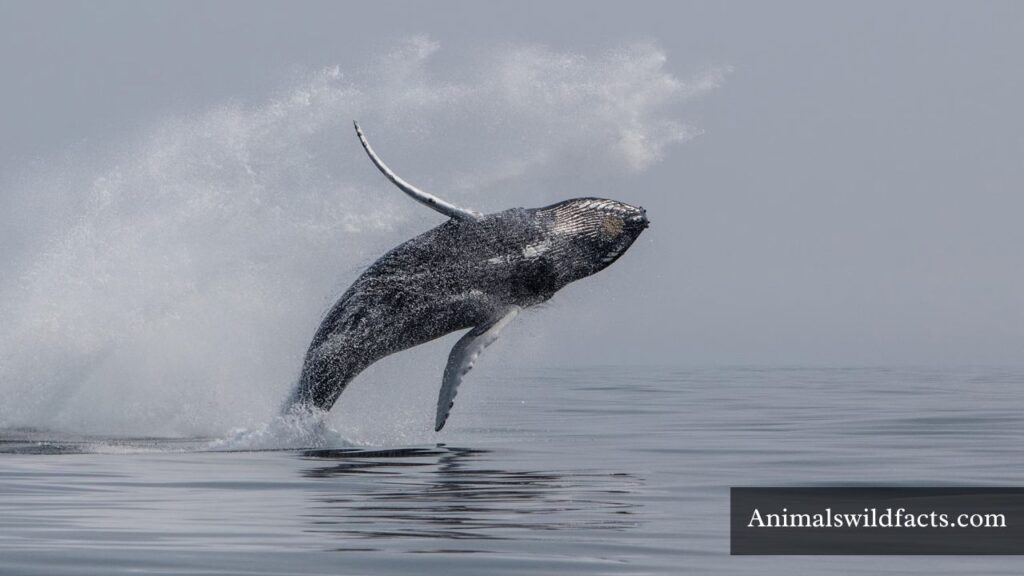
Moreover, their flippers are adorned with tubercles — small, fleshy bumps that enhance hydrodynamics, allowing for more efficient swimming. This adaptation facilitates their migratory feats, as humpback whales travel thousands of miles from feeding to breeding grounds. In a captivating twist, researchers have found that these whales use distinct songs during mating season, suggesting that their vocalizations — powered by their robust anatomy — play a vital role in attracting mates. With each flipper movement and haunting melody, humpback whales remind us of the complexity and beauty of life beneath the waves.
Orca
Scientific Name: Orcinus orca
Class: Mammalia
Diet: Carnivore
Orcas, often known as killer whales, are among the most fascinating marine mammals, not just because of their striking appearance but also due to their incredibly complex social structures. These apex predators live in matriarchal pods, typically led by the oldest female, showcasing a unique blend of familial bonds and cooperative hunting strategies. What’s truly captivating is their ability to create distinct dialects; different pods have unique vocalizations, similar to regional accents in humans, reflecting a deep cultural richness that scientists are only beginning to understand.
Beyond their social prowess, orcas’ physical adaptations are equally remarkable. Their flippers, sleek and powerful, allow for agile maneuverability in the water, enabling them to perform incredible acrobatics and swift turns while hunting. This efficiency is crucial as they target varied prey, from fish to seals, employing sophisticated techniques like beaching themselves to catch untethered seals. Their remarkable intelligence, combined with extraordinary physical capabilities, makes the orca a symbol of the majesty and mystery of ocean life, prompting us to consider our role in preserving their increasingly fragile ecosystems.
Harbor Seal
Scientific Name: Phoca vitulina
Class: Mammalia
Diet: Carnivore
The harbor seal, with its distinctive spotted coat and soulful eyes, is a master of adaptation in its coastal habitat. Found in temperate and sub-Arctic waters, these pinnipeds are not just adept swimmers but also social creatures that can often be spotted basking on rocky shores or sandy beaches. Unlike some of their cousins, harbor seals lack external ear flaps, which streamlines their hydrodynamic form, allowing them to glide effortlessly through the water in search of fish, squid, and crustaceans.

One remarkable aspect of harbor seals is their unique communication methods. They have a repertoire of calls, ranging from barks to growls, that serve to establish dominance or attract mates. Interestingly, when they haul out on land, they often engage in social behaviors that reveal their complex hierarchies. These seals are also fascinating in their foraging techniques; they can dive to substantial depths — up to 600 feet — for up to 30 minutes, demonstrating an impressive versatility that speaks to their evolutionary success in a dynamic marine environment.
Blue Whale
Scientific Name: Balaenoptera musculus
Class: Mammalia
Diet: Carnivore
The blue whale, the largest animal to ever grace our planet, commands respect not just for its sheer size but also for its remarkable adaptations. Flippers, though relatively small compared to its massive body, play a crucial role in its navigation through the vast oceans. These flippers are not merely appendages; they are finely tuned instruments of finesse, allowing the whale to execute graceful turns and maintain stability in the water, contrasting with its immense bulk.
Beyond their physical function, blue whale flippers are a testament to evolutionary ingenuity. Hidden within their thick, sturdy bones is a unique structure that promotes flexibility, enabling the whales to maneuver in search of their primary diet — krill. This ability to move effortlessly through their aquatic environment highlights the balance between power and grace that defines the blue whale. Moreover, as they glide through the ocean’s depths, their flippers produce subtle vibrations that may help with communication and navigation, emphasizing their intricate relationship with the marine ecosystem.
California Sea Lion
Scientific Name: Zalophus californianus
Class: Mammalia
Diet: Carnivore
The California sea lion, with its playful demeanor and acrobatic skills, is a fascinating marine mammal that embodies the spirit of the Pacific Coast. Known for their intelligence, these sea lions exhibit problem-solving abilities that rival those of some terrestrial mammals. Observant visitors might catch them engaging in elaborate social interactions, from barking vocalizations to synchronized swimming displays, showcasing their complex social structures and communication skills.
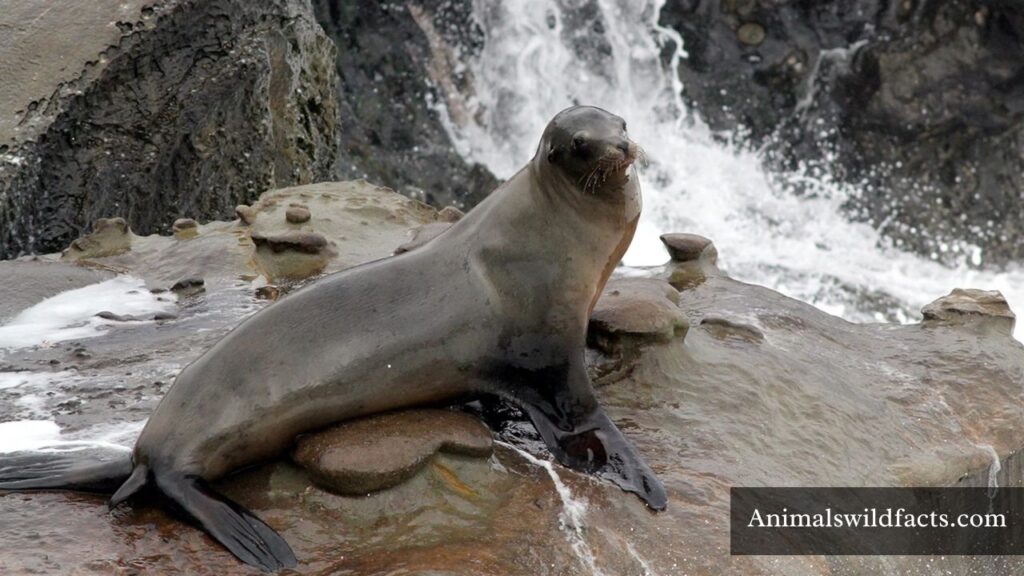
Their flippers, optimized for both swimming and dexterous movement on land, allow them to haul out on beaches and rocky outcrops, creating a unique opportunity for interaction with the environment. As climate change threatens their habitats, understanding and protecting these remarkable creatures becomes crucial for maintaining the balance of marine life along the California coast.
Readmore: Explore Top 17 Animals With Scales in the World.
Walrus
Scientific Name: Odobenus rosmarus
Class: Mammalia
Diet: Carnivore
The walrus, with its iconic tusks and blubbery body, is a remarkable creature that thrives in the frigid waters of the Arctic. These marine mammals possess a unique blend of adaptability and sociability, often seen lounging together on ice floes in large herds. The tusks, which can grow up to three feet long, are not only impressive but serve various purposes: from establishing dominance in social hierarchies to aiding in hauling their hefty bodies onto ice.
What’s particularly fascinating about walruses is their remarkable vocal repertoire. Known for their diverse array of sounds, they communicate with everything from barks to whistles, showcasing an emotional depth that many might not associate with marine life. With their sensitive whiskers, or vibrissae, they also navigate the ocean floor, foraging for clams and other shellfish, highlighting an extraordinary blend of sensory adaptation and feeding strategy. Observing a walrus in its natural habitat is a reminder of the intricate connections that exist within polar ecosystems, where each species plays a vital role in maintaining the fragile balance of life.
Bottlenose Dolphin
Scientific Name: Tursiops truncatus
Class: Mammalia
Diet: Carnivore
Bottlenose dolphins, with their sleek bodies and dynamic behavior, are one of the most recognizable marine mammals, captivating both casual beachgoers and dedicated marine biologists alike. Their flippers serve not just for propulsion but as remarkable tools for communication and social interaction. These agile swimmers use their flippers to perform a variety of fascinating maneuvers, often displaying acrobatics that range from impressive spins to graceful leaps, showcasing their intelligence and playful nature.
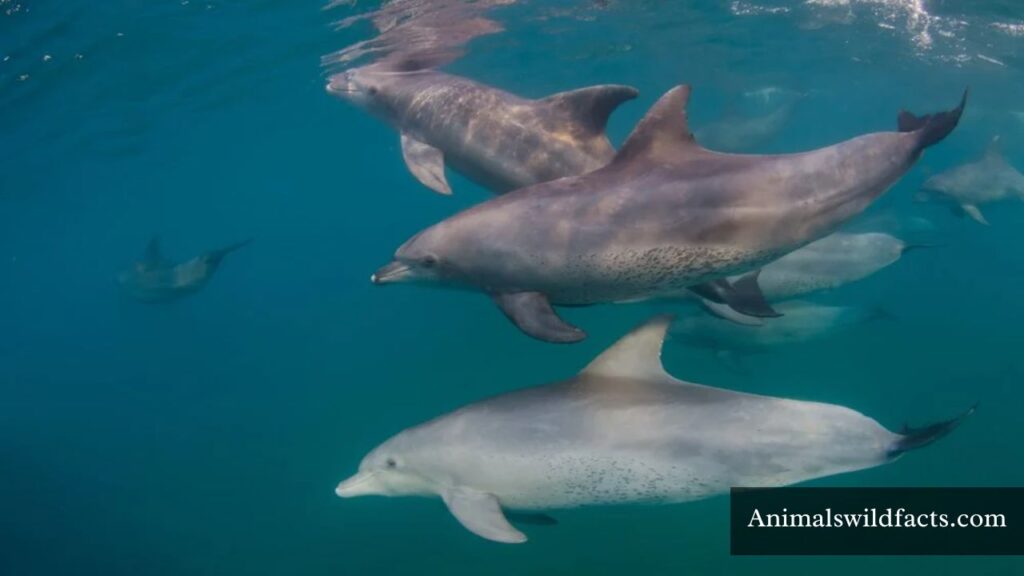
Beyond their physical prowess, bottlenose dolphins possess complex social structures, often forming tight-knit pods that can include family groups and even friendships that last for years. They utilize a sophisticated system of clicks and whistles, not just for navigation but also for establishing bonds within the pod. Recent research even suggests that dolphins may have distinct “dialects,” reflecting their unique social identities, adding another layer to their enchanting social lives.
Green Sea Turtle
Scientific Name: Chelonia mydas
Class: Reptilia
Diet: Herbivore
The green sea turtle, a marvel of evolution, demonstrates the perfect harmony between agility and grace in the ocean. With its flipper-like limbs, this gentle leviathan glides effortlessly through the water, reaching speeds of up to 35 miles per hour when threatened. Unlike many creatures of the sea, the flippers of the green sea turtle are not just tools for propulsion; they also embody a unique blend of strength and dexterity, allowing these turtles to navigate complex marine environments with ease.
What truly sets green sea turtles apart is their deep connection to the Earth’s ecosystems. As herbivores, they play a crucial role in maintaining seagrass beds, promoting biodiversity in marine habitats. Surprisingly, their presence fosters healthy coral reefs by keeping algae growth in check, illustrating the intricate web of life in which every species plays a pivotal role.
Elephant Seal
Scientific Name: Mirounga
Class: Mammalia
Diet: Carnivore
The elephant seal, a remarkable marine mammal, stands out with its impressive size and unique adaptations. Males can weigh up to 4,500 pounds and sport a pronounced proboscis, particularly during the breeding season, where it serves as a display of dominance and virility. When these massive creatures haul themselves onto rocky beaches, the sight is both awe-inspiring and humbling, highlighting the extremes of evolution.
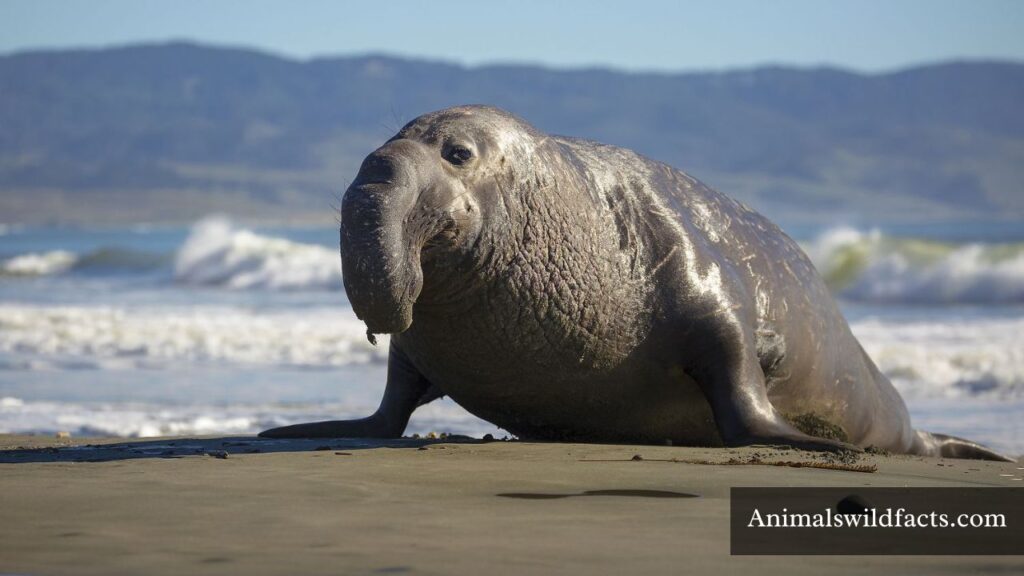
Underneath their blubbery exterior, elephant seals exhibit extraordinary swimming capabilities, using their flippers with grace and precision. These adaptations allow them to dive deeply — sometimes exceeding 5,000 feet — where they hunt for squid and fish in the icy depths of the ocean. Their ability to hold their breath for over an hour is a testament to their efficiency in a world where survival often hinges on stealth and agility.
Moreover, these seals present an interesting case study in sexual dimorphism within the animal kingdom. The stark contrast between the sizes of males and females not only triggers fascinating conversations about mating strategies but also offers insights into the social structures of their colonies. As they gather in large groups, their vocalizations transform the otherwise tranquil coastal environment into a vibrant arena of sounds, embodying the intrinsic connection between emotion and survival in the wild.
Manatee
Scientific Name: Trichechus manatus
Class: Mammalia
Diet: Herbivore
Manatees, often affectionately dubbed “sea cows,” are gentle giants that glide through the waters with an elegant grace that belies their sizable frames. These aquatic mammals possess flippers that are not merely tools for navigation; they are extraordinary adaptations that allow for remarkable dexterity in their underwater world. Unlike traditional flippers seen in fish, manatee flippers are equipped with five digits, providing them the fine motor skills necessary to grasp and manipulate aquatic vegetation. This unique feature enables them to perform intricate tasks, whether it’s foraging for seagrass or navigating through their habitats with surprising agility.
The social dynamics of manatees offer a fresh lens into their behavior. They are often found in small groups, but they also display a surprisingly complex social structure, engaging in playful interactions that can rival those seen in more traditionally social species. Manatees exhibit affection through gentle nudges and playful antics, further enriching our understanding of their emotional lives.
Leatherback Sea Turtle
Scientific Name: Dermochelys coriacea
Class: Reptilia
Diet: Carnivore
The leatherback sea turtle stands out not just for its size — often reaching over six feet in length — but also for its unique adaptations that challenge our perceptions of marine life. Unlike other sea turtles with hard, bony shells, the leatherback’s carapace is a leathery, flexible structure, enabling it to dive deeper and swim farther than almost any other turtle species. This remarkable adaptation allows it to plunge to depths of 4,000 feet in search of jellyfish, its primary food source, which it skillfully locates through echolocation and navigation techniques honed over millions of years.
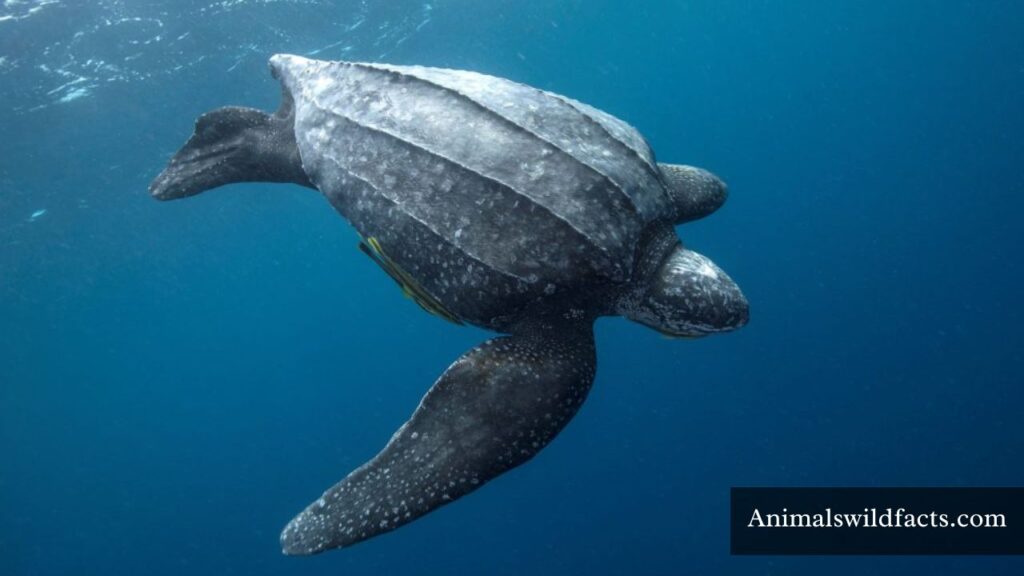
What truly captivates researchers is the leathery flippers that propel these magnificent creatures through the oceanic expanse. These flippers not only provide exceptional mobility but also play a crucial role in their thermoregulation, allowing them to maintain body heat in frigid deep waters. This ability to regulate their internal temperature enables leatherbacks to inhabit a broader range of oceanic environments compared to other sea turtles, further proving their resilience and versatility. As climate change and oceanic pollution threaten their existence, understanding the biology and adaptive traits of leatherbacks becomes vital, offering insights into conservation strategies that may protect these ancient mariners for future generations.
Emperor Penguin
Scientific Name: Aptenodytes forsteri
Class: Aves
Diet: Carnivore
The Emperor Penguin, the largest of all penguin species, is a marvel of adaptation and resilience in one of Earth’s harshest environments. Standing nearly four feet tall and weighing up to 90 pounds, these remarkable birds have evolved a unique social structure that enhances their survival. During the brutal Antarctic winter, males endure extreme temperatures, often reaching as low as -76°F, while huddling together in massive colonies, rotating positions to share body heat. This communal strategy, combined with their thick layer of insulating fat and feathers, allows them not just to survive but to thrive in conditions that would deter most other creatures.
What truly sets Emperor Penguins apart is their remarkable breeding behavior. After the female lays a single egg, the male takes on the responsibility of incubation, balancing the fragile egg on his feet and covered by a flap of skin called a brood pouch. This act of devotion lasts for about two months, during which the males fast, relying solely on their fat reserves. Once the chicks hatch, a delicate dance of parenting unfolds, with both parents taking turns foraging for food, showcasing a level of cooperation rarely observed in the animal kingdom. This dedication not only highlights their remarkable nurturing instincts but also reinforces the strong social bonds that are essential for their survival in an unforgiving landscape.
Dugong
Scientific Name: Dugong dugon
Class: Mammalia
Diet: Herbivore
The dugong, often overshadowed by its more famous relatives like the manatee, is a remarkable marine mammal that thrives in the warm coastal waters of the Indian and western Pacific Oceans. Unlike other marine herbivores, dugongs have adapted a unique grazing technique; they use their sensitive snouts to root out seagrass, which forms the cornerstone of their diet. This behavior not only showcases their refined feeding habits but also highlights their ecological role in maintaining seagrass ecosystems, which are crucial for carbon sequestration and coastal protection.
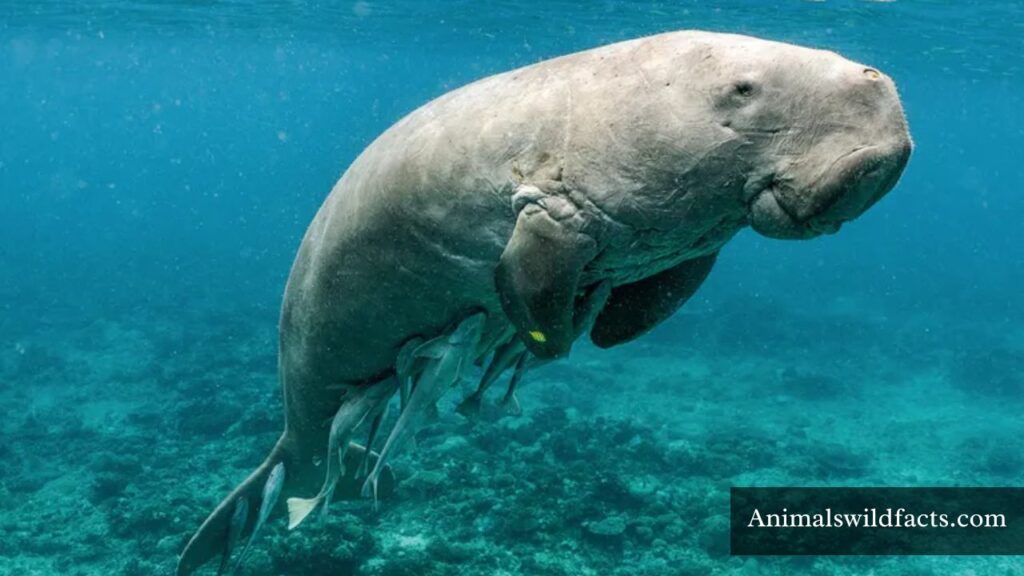
Despite their serene existence, dugongs face significant threats from habitat loss and human activity. Their reliance on seagrass meadows makes them particularly vulnerable to coastal development and pollution. Interestingly, conservation efforts are increasingly focusing on community engagement, acknowledging that local fishermen often play a vital role in protecting dugong habitats. By fostering stewardship among those who share the dugong’s environment, we can create a sustainable future for these gentle giants and the delicate ecosystems they inhabit. Addressing the challenges faced by dugongs not only benefits this captivating species but also underscores the interconnectedness of marine life and human actions.
Dall’s Porpoise
Scientific Name: Phocoenoides dalli
Class: Mammalia
Diet: Carnivore
Dall’s porpoises, with their sleek, torpedo-shaped bodies, are the ocean’s unsung acrobats. Often mistaken for dolphins due to their playful nature and impressive speed, these creatures can reach up to 55 km/h, making them one of the fastest marine mammals. What sets them apart isn’t just their speed; it’s their unique black and white coloration that allows them to blend seamlessly with the shadows and dapples of sunlight reflecting off the ocean surface.
These flippered marvels are also incredibly social, forming tight-knit pods that often engage in exhilarating displays of synchrony. You might catch them riding the bow waves of boats, a behavior that showcases their inherent curiosity and playfulness. Unlike many marine mammals, Dall’s porpoises are truly adaptable; they thrive in various habitats, from shallow coastal waters to the open ocean. Their ability to navigate such diverse environments speaks volumes about their evolutionary resilience and intelligence, making them fascinating subjects for researchers and wildlife enthusiasts alike. Each encounter with these marine athletes is a reminder of the untamed beauty that resides beneath the waves.
King Penguin
Scientific Name: Aptenodytes patagonicus
Class: Aves
Diet: Carnivore
The King Penguin, the second-largest species of penguin, captivates with its striking appearance and remarkable adaptability. Sporting a sleek, streamlined body adorned with vibrant orange and yellow accents, these birds are not just visually stunning; they are also sophisticated hunters. Unlike their smaller relatives, King Penguins have the unique ability to dive to impressive depths of over 300 meters in search of fish, squid, and krill, showcasing a level of foraging capability that few other birds can rival.
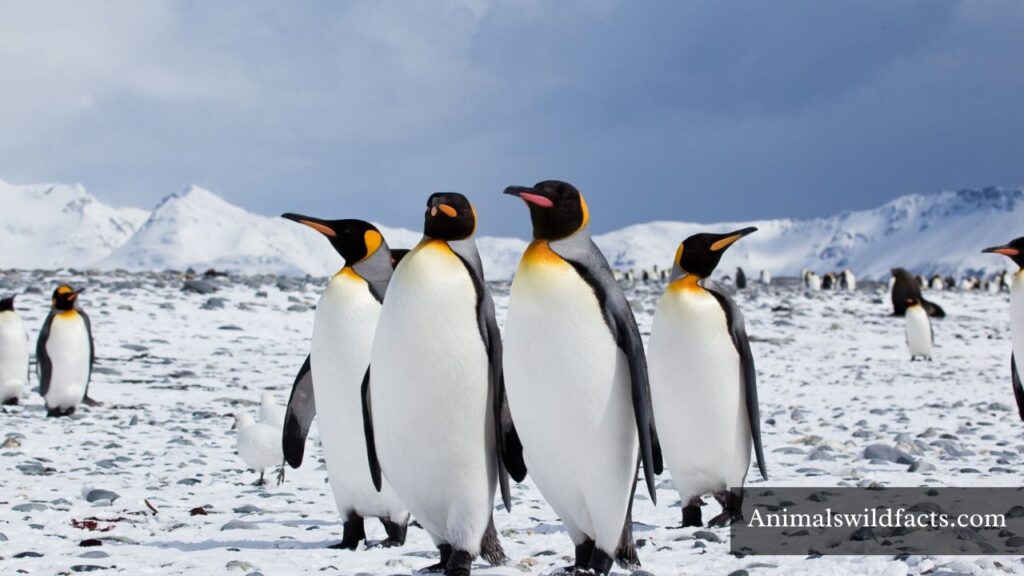
Beyond their remarkable diving prowess, King Penguins exhibit fascinating social structures that highlight their intelligence. They form large colonies where communication flourishes, and their distinct vocalizations help maintain bonds within the densely packed groups. Each penguin has a unique call, allowing mates to locate each other in the chaos of thousands. These birds are remarkable parents, taking turns incubating their eggs and nurturing their chicks through harsh Antarctic winters, showcasing a level of cooperation that is both heartwarming and essential for survival in their extreme environment.
You can also read: Explore Top 18 Animals With Sharp Claws.
Leopard Seal
Scientific Name: Hydrurga leptonyx
Class: Mammalia
Diet: Carnivore
The leopard seal, with its striking spotted coat, stands out among the Antarctic predators, embodying both beauty and ferocity. Unlike their more playful counterparts, sea lions, leopard seals possess an enigmatic, solitary nature. Their powerful flippers are not just tools for swift movement through icy waters; they serve as elegant paddles that slice through waves, allowing these formidable hunters to chase down krill, fish, and even the occasional penguin.
One of the most fascinating aspects of leopard seals is their remarkable vocal ability. Their haunting calls echo through the frigid waters, a sound that has puzzled researchers for years. These vocalizations may serve various purposes, from marking territory to courting potential mates, hinting at a complex social structure beneath their solitary façade. Leopard seals are known for their intelligence; they often use strategic hunting methods, such as stunning their prey with a powerful swat of their flipper. This adaptability and skill mark them as true apex predators in their icy domain, where survival demands both brawn and brains.
Kemp’s Ridley Sea Turtle
Scientific Name: Lepidochelys kempii
Class: Reptilia
Diet: Carnivore
The Kemp’s Ridley sea turtle, one of the most endangered turtle species, showcases nature’s design marvel with its uniquely adapted flippers. These remarkable limbs not only enable the turtle to glide gracefully through the ocean’s depths but also play a critical role during their intriguing nesting rituals. Remarkably, Kemp’s Ridleys are known for their synchronized nesting events, known as “arribadas,” where thousands come ashore simultaneously, a spectacle both awe-inspiring and crucial for their survival.
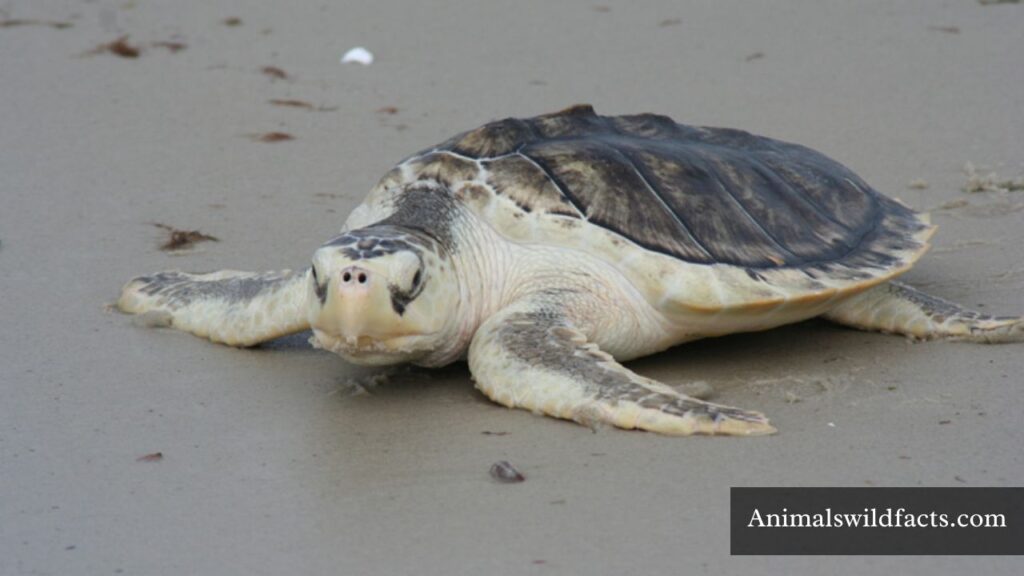
What makes these flippers particularly fascinating is their efficiency in foraging. With powerful strokes and a streamlined design, Kemp’s Ridley turtles excel in catching crustaceans, primarily their favorite — blue crabs. Their foraging techniques reflect an adaptive intelligence, showcasing how these turtles have evolved to thrive in competitive marine ecosystems. Yet, despite their physical prowess, human activities — like habitat destruction and entanglement in fishing gear — threaten their survival. Understanding the dual beauty of their flippers, both as tools for movement and survival, highlights the urgent need for conservation efforts to protect these magnificent creatures.
Sea Otter
Scientific Name: Enhydra lutris
Class: Mammalia
Diet: Carnivore
Sea otters, often seen floating on their backs, are more than just adorable fluffballs of fur; they are vital players in their ecosystems. These marine mammals possess a unique set of flippers, allowing them to navigate the currents with grace and agility. What’s fascinating is how they use these flippers to forage for food — sea urchins, crabs, and kelp are all part of their diet. Their ability to dive up to 300 feet deep showcases their remarkable adaptability.
More than just skilled hunters, sea otters serve as keystone species. By controlling sea urchin populations, they help maintain healthy kelp forests, which are crucial habitats for countless marine organisms. Surprisingly, their thick fur, the densest in the animal kingdom, not only keeps them warm but also plays a role in their social dynamics. They often hold hands while they sleep, forming “rafts” to stay connected, highlighting the importance of community in their survival.
Galapagos Penguin
Scientific Name: Spheniscus mendiculus
Class: Aves
Diet: Carnivore
The Galapagos penguin, the only penguin species found north of the equator, represents a fascinating example of adaptation and resilience. These small, black-and-white birds thrive in the warm waters of the Galapagos Islands, making them unique among their cold-weather relatives. Unlike many other penguins that rely on large colonies, Galapagos penguins often prefer to live in smaller groups, allowing them to navigate their environment with greater agility and cooperation, especially when hunting for small fish and invertebrates.
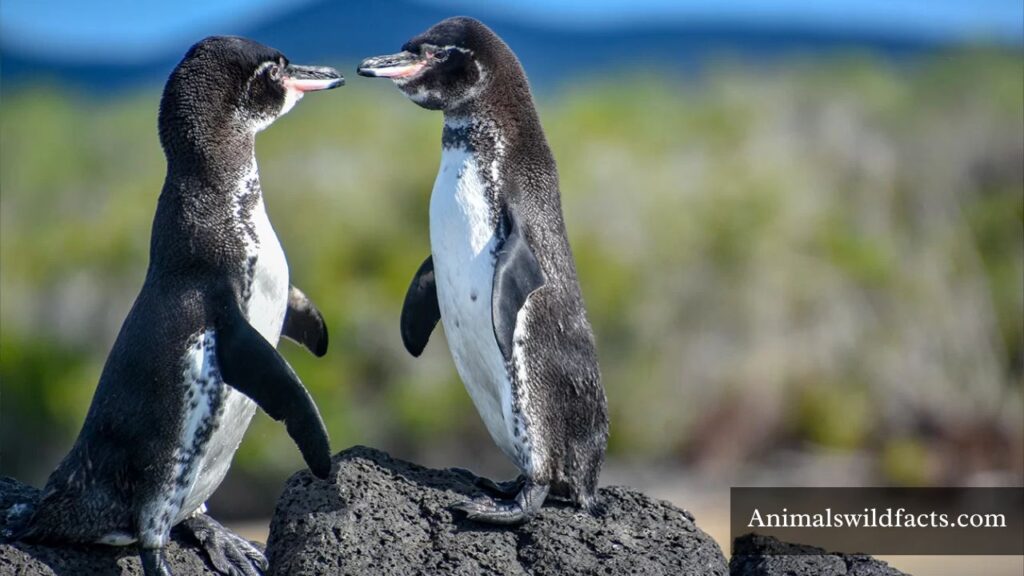
One of the most striking traits of the Galapagos penguin is its remarkable ability to regulate body temperature. Their unique feather arrangement helps insulate them against the heat, a vital adaptation for coping with the equatorial sun. Additionally, these penguins exhibit a remarkable behavior known as “fission-fusion,” where they dynamically adjust their social structures based on resource availability. This flexibility not only aids in survival but also displays their high level of social intelligence, showcasing how these small creatures navigate complex ecological challenges.
However, the Galapagos penguin faces significant threats from climate change and human activity, making conservation efforts crucial. The fragility of their ecosystem highlights the interconnectedness of species within the Galapagos, emphasizing that protecting these remarkable birds goes beyond their survival — it involves safeguarding the entire environment that sustains them. As we continue to explore the intricate web of life in these islands, the Galapagos penguin stands as a symbol of both the beauty and vulnerability of nature.
Monk Seal
Scientific Name: Monachus monachus (Mediterranean) / Neomonachus schauinslandi (Hawaiian)
Class: Mammalia
Diet: Carnivore
Monk seals, often described as the gentle giants of the ocean, are intriguing not just for their serene demeanor but also for their unique evolutionary traits. With their blubbery bodies and flipper-like limbs, these seals are adapted to glide effortlessly through water, but their flippers also reveal a fascinating compromise between mobility and stability. Unlike their more agile relatives, monk seals have a slower, more deliberate swimming style, which is perfectly suited for foraging in shallow coastal regions. This slower pace allows them to skillfully hunt for fish and crustaceans hidden in the substrate of sandy beaches or rocky crevices.
Interestingly, monk seals are also known for their sociable nature, often seen basking together on sun-soaked shores. Their flippers play a crucial role in communication, as they use them to interact with one another through a series of subtle gestures and movements.
Readmore: Explore Top 14 Animals with Whiskers.
Final Thoughts
Animals with flippers showcase the incredible diversity of life adapted to aquatic environments. From the playful antics of sea lions to the majestic gliding of penguins, these creatures exemplify how evolution shapes anatomy for survival. Their unique adaptations not only help them thrive in their habitats but also play vital roles in maintaining marine ecosystems. As we continue to explore and understand these fascinating animals, it becomes crucial to advocate for their conservation. Protecting their environments ensures that future generations can witness the beauty and wonder of flippered animals in the wild.
FAQs
Are penguin wings called flippers?
Yes, penguin wings are often referred to as flippers. While they are technically wings, penguins have adapted them for swimming rather than flying. Their flippers are more rigid and flattened, allowing them to move efficiently through water. Unlike typical bird wings, penguin flippers are shorter and more robust, aiding in propulsion. This adaptation helps them dive and maneuver underwater as they hunt for fish and other marine prey.
Is a dolphin have flippers?
Yes, dolphins have flippers! These flippers are a key part of their anatomy, allowing them to swim efficiently and maneuver easily in the water. Unlike the long, rigid fins of fish, dolphin flippers are more flexible and are used for steering and balance.
Which bird has flippers instead of wings?
The bird that has flippers instead of traditional wings is the penguin. Penguins are unique among birds because their body structure is adapted for life in the water rather than in the air.