Moving to Sumner? An HVAC, Plumbing and Electrical Checklist for New Homeowners
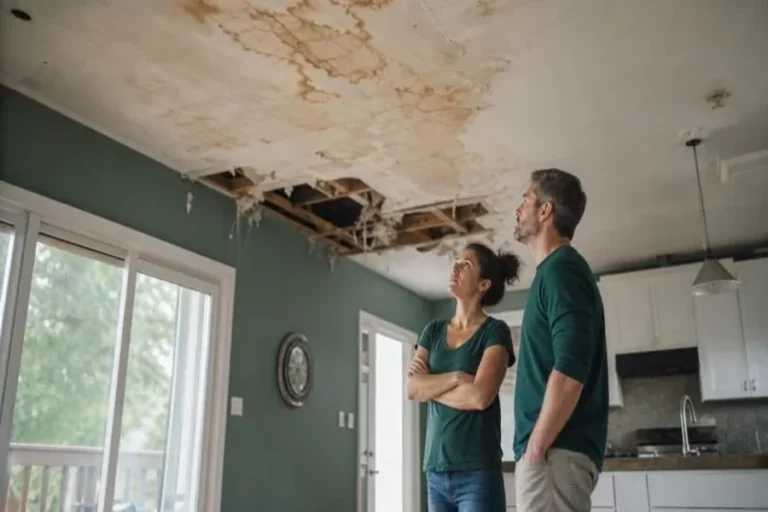
Unpacking is not the urgent part of a move. Urgent problems include a heater failing midwinter, a tank leaking into a damp crawlspace, or a panel too weak for a new heat pump. New owners in Sumner often find out about these systems the hard way, on the coldest night or the hottest afternoon of the year. That timing turns a modest fix into an emergency bill.
Most move-in checklists cover locks, insurance, and cleaning, then stop. They skip the river-valley moisture, wet winters and summer heat waves that shape how homes here age. This guide takes heating and cooling, plumbing and electrical in order. The sections below sort the checks into homeowner tasks and professional jobs, and they estimate what to budget across the first twelve months.
Your First-Week Priorities for Home Systems
Safety comes first, paperwork second, and after that the equipment that tends to break down with no warning. Within the first days, locate the gas shutoff (if there is one), the main water valve, and the breaker panel, and tag each clearly. While touring the house, try the test button on every smoke detector and CO alarm you pass.
Damp air and drawn-out wet winters are part of life in Sumner, which lies in the Puyallup River valley. Homes here, from older bungalows near downtown to newer hillside subdivisions, run the heat for much of the year. That long season wears on burners, blowers, and heat pump parts.
If the furnace short cycles, smells of burning dust long after startup, or makes new noises, plan for HVAC Repair before the first cold snap. A local provider’s page on furnace repair sumner wa splits that work into diagnostics, repair and replacement, which is a useful way to weigh an older unit. Early fall visits are also easier to book.
After that, take pictures of the model and serial labels found on the panel, the furnace, and the water heater. Then split the early tasks by who should handle them:
- Fine for a homeowner: changing the furnace filter, setting the thermostat, running every faucet, and checking GFCI outlets with their built-in test buttons.
- Call a licensed pro now: any gas odor, a warm or buzzing panel, an active leak, or a furnace that won’t light.
| System | Do Yourself in Week 1 | Book a Pro in 30-90 Days | Year-One Budget Watch |
|---|---|---|---|
| Heating and cooling | Change filter, test thermostat | Tune-up if records are missing | Aging furnace, summer cooling |
| Plumbing and water heater | Find shutoff, check for leaks | Crawlspace moisture check | Old tank, sewer camera scan |
| Electrical | Label breakers, test outlets | Electrician panel review | Capacity for heat pump or EV charger |
Heating and Cooling Checks for Sumner’s Climate
Learn What You Have and How Old It Is
Find out whether the home runs a gas furnace, heat pump, dual-fuel setup, ductless mini-split, or central air.
Furnace, Heat Pump or Ductless: What to Look For
Run the system through a full cycle and watch for:
- A filter that is clogged or the wrong size
- Some rooms running hotter or colder than others
- Rattles, squeals, or a boom at startup
- A system that turns on and off again within minutes
If no service records came with the house, a round of HVAC Maintenance sets a clean baseline.
Staying Cool During Hot Summer Spells
Many Puget Sound homes lack central air, so plan cooling in spring, before installers fill their summer calendars. One heat pump can handle both seasons when a contractor offering both Heating Services and Cooling Services sizes it correctly for the house. Rebates sometimes exist. Confirm the rules and paperwork with the utility or equipment maker before you buy.
Plumbing Checks for Damp Crawlspaces and Older Pipes
Moisture is the main plumbing threat in this part of Washington. Begin with the following inspections:
- Close and reopen the main shutoff to confirm it works.
- Stains or spongy flooring near toilets and beneath sinks can point to a slow leak.
Check the serial plate for the water heater’s age, and look for rust or damp spots at the base. Is the tank close to retirement age? Price a heat pump model. According to Forbes, ENERGY STAR certified units consume up to 70% less energy compared with conventional gas systems, a difference that shows up on monthly bills.
Then take a flashlight into the crawlspace. Any pooled water, ripped vapor barrier, drooping insulation, or corroded piping down there is reason enough to call a plumber.
Electrical Checks Before Adding a Heat Pump or EV Charger
Panel Basics Every New Owner Should Check
Find the panel, confirm every breaker is labeled, and note the main rating, often 100 or 200 amps. Never remove the cover yourself, but do watch for these signs:
- A warm or buzzing panel
- Breakers that trip often
- Bulbs that dim or flutter as appliances switch on
When an Older Panel Is Due for Replacement
An older panel can hit its limit once a heat pump, electric range, or EV charger joins the load. A licensed electrician can run a load calculation to show how much the home’s service can safely support. Check capacity before ordering equipment, since many HVAC Contractors coordinate panel upgrades with the install itself.
Maintenance Schedule and How to Choose HVAC Contractors
A Seasonal Maintenance Calendar for Year One
- Fall: heating tune-up and a crawlspace moisture check
- Winter: filter change and a watch on indoor humidity
- Spring: cooling check, gutters and yard drainage
- Summer: clear plants from the outdoor unit and test AC output
Paying for a minor repair usually makes sense when the unit is fairly young. Repeat breakdowns on an old unit point toward replacement.
Vetting HVAC Contractors in Washington
Before hiring anyone for HVAC Maintenance or a major install, check for:
- A Washington contractor license, bond, and insurance, which you can verify through Labor and Industries
- NATE-certified technicians
- Written, itemized estimates and a local office
- Fresh feedback from neighbors who hired them lately
What This Means for New Sumner Homeowners
Treat your first year as a series of small, timed jobs rather than one big push. Handle safety checks and labels in week one. Book a heating tune-up and a crawlspace look before the fall rains settle in, and keep a running file of photos, receipts, and service dates.
Before buying a heat pump, water heater, or charger, confirm panel capacity and rebate rules first. That order keeps surprise costs low. It also gives every technician who visits a clear picture of the house, which makes each decision faster and cheaper.
What People Ask About Sumner Home Systems
When Should New Homeowners Schedule a Professional Furnace Tune-Up After Closing?
Aim to schedule the visit in the weeks right after closing, and preferably ahead of the cold months. A technician will check the heat exchanger, burners, venting, and airflow. Finding worn parts early lowers the odds of a midwinter breakdown and starts your own service record.
What Electrical Panel Problems Should Buyers Watch For in Aging Houses?
Red flags include scorch marks, rust, fuses in place of breakers, a cover that hums or feels warm, and circuits that trip frequently. Capacity matters too. An older panel may not handle an EV charger or heat pump. To learn whether an upgrade is needed, have a licensed electrician test the panel, the grounding, and the wiring.
What Should Buyers Expect to Pay for a Full Plumbing Inspection?
A whole-house plumbing inspection often runs a few hundred dollars, depending on home size, age, and whether a sewer camera scan is included. The camera adds cost but can reveal roots, cracks, or corrosion. Local pricing differs, so request a line-by-line estimate that spells out everything included in the visit.