
Top 18 Animals With Sharp Claws (With Images)
In the wild, claws are not just for show; they are essential tools for survival, helping animals hunt, climb, and defend themselves. This article explores the fascinating world of animals with sharp claws, revealing their remarkable adaptations and roles in the ecosystem. By delving into their unique characteristics, you’ll gain a deeper appreciation for these incredible creatures and the skills they possess.
What is the difference between claws and talons?
Claws and talons serve distinct evolutionary purposes, reflecting the unique adaptations of the animals that possess them. Claws are found on a diverse range of creatures, from cats to amphibians, and are primarily designed for grasping, digging, or climbing. These structures can vary significantly in shape and robustness, allowing different species to manipulate their environments effectively. For instance, the sharp, curved claws of a tree-climbing animal provide an excellent grip on bark, while the flat, broad claws of a digging mammal facilitate burrowing.
On the other hand, talons are specialized structures primarily associated with predatory birds like eagles and hawks. Characteristically larger and more curved than most claws, talons are expertly adapted for seizing and holding onto prey. This design not only aids in killing but also helps these birds maintain a secure grip while soaring high above the ground. The strength and sharpness of talons give avian hunters an edge, allowing them to tackle a variety of prey with precision and agility.
List of Animals With Sharp Claws
Here is the list of animals with sharp claws:
| Number of Animals | Animals With Sharp Claws |
| 1 | Sloth |
| 2 | Harpy Eagle |
| 3 | Armadillo |
| 4 | Tiger |
| 5 | Star-nosed Mole |
| 6 | American Badger |
| 7 | Great Horned Owl |
| 8 | Lion |
| 9 | Giant Anteater |
| 10 | Grizzly Bear |
| 11 | House Cat |
| 12 | Wolverine |
| 13 | Alligators |
| 14 | Mountain Lion |
| 15 | Komodo Dragon |
| 16 | American Black Bear |
| 17 | Bald Eagle |
| 18 | Jaguar |
Sloth
Scientific name: Bradypus variegatus
Class: Mammalia
Diet: Herbivore
Sloths, often celebrated for their slow-paced lifestyle, possess surprisingly formidable claws that play a crucial role beyond mere climbing. These elongated, curved claws, which can grow up to four inches long, allow sloths to grip tree branches with remarkable strength, enabling them to hang for hours without expending much energy. This adaptation is essential not only for their arboreal existence but also for evading predators; their hang-on-the-horizontal lifestyle means they can often blend in seamlessly with their leafy surroundings.

Sloth claws are not just tools for climbing; they also serve as a defense mechanism. Should a sloth feel threatened, its sharp claws can deliver a surprising swipe, making it a foe to be reckoned with despite its gentle demeanor. Furthermore, these claws are finely tuned for their habitat; instead of digging or tearing, they’re perfectly designed for hanging and stabilizing, demonstrating nature’s ability to adapt form to function. As these fascinating creatures continue to evolve, their claws remind us of the intricate balance between survival and environment, revealing that even the slowest animals have their hidden strengths.
Harpy Eagle
Scientific name: Harpia harpyja
Class: Aves
Diet: Carnivore
The Harpy Eagle, often regarded as one of the most formidable avian predators, boasts talons that are both awe-inspiring and terrifying. Measuring up to 5 inches in length, these powerful claws not only serve as tools of destruction but also illustrate the bird’s adaptation to its rainforest habitat. With such robust digits, the Harpy Eagle excels at seizing agile prey like monkeys and sloths, showcasing a predatory prowess that few can rival.
What truly sets these birds apart, however, is the intricate dance between their hunting strategy and the morphology of their claws. Unlike many birds of prey that rely on sheer speed, the Harpy Eagle adopts a calculated approach, using both its strength and stealth. The super-strong grip of its claws can exert a grip force comparable to that of a lion, enabling it to grasp and carry off sizable animals. As deforestation threatens their territory, the preservation of these majestic birds is crucial, reminding us of the interconnectedness of all living creatures.
Armadillo
Scientific name: Dasypus novemcinctus
Class: Mammalia
Diet: Omnivore
Armadillos, often thought of as armored tanks of the animal kingdom, are fascinating creatures not just for their unique shells but also for their sharp claws. These claws are specifically adapted for digging, allowing armadillos to burrow into the ground to find food, create shelters, and evade predators. The impressive strength and curvature of their claws make them expert excavators, capable of tunneling through hard-packed dirt with remarkable efficiency.

What’s particularly captivating is how these claws serve a dual purpose. While primarily used for foraging insects and grubs in the soil, they also play a vital role in the armadillo’s defense strategy. When threatened, an armadillo can quickly dig a retreat tunnel, disappearing underground before a predator even realizes it’s gone. This ability to blend their hunting and evasion tactics showcases the armadillo’s adaptability in the wild — an often overlooked aspect of their lifestyle.
Tiger
Scientific name: Panthera tigris
Class: Mammalia
Diet: Carnivore
Tigers, the majestic apex predators of the animal kingdom, possess retractable claws that are as essential to their survival as their stealthy stripes. These claws, which can measure up to four inches long, are not just tools for hunting but are also vital for climbing and maintaining balance in their diverse habitats. Unlike the claws of many other animals, a tiger’s retractable claws allow for precise control — enabling a silent approach and an explosive burst of strength when pouncing on prey. This combination of stealth and power makes tigers unparalleled hunters in their forested domains.
Beyond their function as weapons, a tiger’s claws serve as an elaborate form of communication. Marking territory can be done by scratching trees, leaving not just physical evidence but also scent markers from glands in their paws that signal their presence to rival tigers. This behavior demonstrates the intricate social structures within their species, illustrating that even the most fearsome features can play a role in community dynamics.
Star-nosed Mole
Scientific name: Condylura cristata
Class: Mammalia
Diet: Carnivore
The star-nosed mole, a small, unassuming creature often overlooked in the wild, offers a fascinating glimpse into the complex interplay between anatomy and lifestyle. While its most distinctive feature is its unique star-shaped nose, the creature’s sharp claws play a crucial role in its survival. Perfectly adapted for digging through the soft, wet soil of its aquatic habitat, these claws allow the mole to create intricate tunnel systems. This ability not only helps it evade predators but also provides access to a rich diet of invertebrates and small aquatic organisms.

What’s truly remarkable about the star-nosed mole is how its claws are integral to its unique foraging strategy. As these moles navigate through the mud, their sharp claws pierce the earth with precision, allowing the star-nosed mole to dig rapidly and efficiently. This incredible speed is matched by their tactile sense — thanks to those 22 fleshy appendages on their snouts, they can detect prey with stunning accuracy in dark, murky waters. This combination of specialized tools makes the star-nosed mole a master of its environment, showcasing how even the smallest creatures can harness evolutionary advantages in surprising ways.
You can also read: Explore Top 19 Animals with no legs.
American Badger
Scientific name: Taxidea taxus
Class: Mammalia
Diet: Carnivore
The American badger, a robust and tenacious creature, wields claws that are more than just tools for digging — they are instruments of survival. Typically measuring around 6 to 11 inches long, these sharp claws provide the badger with exceptional digging prowess, allowing it to burrow into the ground with remarkable speed. This capability is essential, as it enables the badger to hunt for food, create dens, and evade predators. When probing the earth, these claws become a vital part of their foraging strategy, especially when targeting small mammals like rodents, which are often buried beneath the surface.
Interestingly, badgers possess a unique adaptability; their claws also serve as a defense mechanism. When threatened, they can transform from diligent diggers into fierce protectors, utilizing their sharp implements to fend off larger predators. This dual function highlights the intricate balance of their ecological role. While often solitary, these animals run the risk of losing their territorial disputes to larger carnivores, compelling them to rely not only on cunning but also on the formidable might of their claws. Observing the American badger in action offers a glimpse into the remarkable ways these creatures navigate their environments, reminding us of the intricate relationships between anatomy, behavior, and survival in the wild.
Great Horned Owl
Scientific name: Bubo virginianus
Class: Aves
Diet: Carnivore
The Great Horned Owl, a master of the night sky, showcases an impressive set of sharp claws that are not only lethal but also emblematic of its unparalleled adaptability. These formidable talons, curving sharply and equipped with powerful grip strength, allow the owl to seize prey with astonishing precision. A single strike can mean the difference between life and death for small mammals, birds, and even reptiles that cross its path. Unlike many predators that rely on speed, this owl employs stealth, blending seamlessly into its surroundings until the opportune moment arrives.

What sets the Great Horned Owl apart is not just its hunting prowess but also the intricate relationship between its anatomy and hunting strategy. The claws are designed to exert maximum pressure while minimizing the effort required; this efficiency underscores nature’s genius in crafting specialized tools for survival. Furthermore, the owl’s silent flight, aided by specialized feather structures, allows it to approach victims undetected, making the claws’ sharpness an even more critical asset.
Lion
Scientific name: Panthera leo
Class: Mammalia
Diet: Carnivore
Lions are often celebrated for their majestic manes and powerful roars, but their sharp claws are equally essential to their prowess as apex predators. Measuring up to 1.5 inches, these retractable claws are designed for maximum grip and lethality, allowing lions to tackle and subdue sizable prey with remarkable efficiency. When stalking through the savannah, their claws help them navigate silently, enhancing their stealth and surprise during hunts.
Beyond the hunt, a lion’s claws play a crucial role in social interactions within prides. They engage in playful sparring and establish dominance through displays of strength, where their claws illuminate the fierce nature of these big cats. These powerful instruments also aid in climbing, ensuring that lions can access raised vantage points or escape threats. In essence, the anatomy of a lion is a testament to nature’s design, perfectly equipping them not only for survival but for thriving in the complex dynamics of their ecosystems.
Giant Anteater
Scientific name: Myrmecophaga tridactyla
Class: Mammalia
Diet: Insectivore
Giant anteaters are fascinating creatures, not just for their elongated snouts and quirky appearance, but also for their impressive claws. These powerful appendages, measuring up to four inches long, serve a dual purpose: they allow giant anteaters to efficiently dig into ant and termite mounds, while also providing formidable defenses against predators. Unlike the claws of typical carnivores, which are primarily designed for grasping and tearing, the giant anteater’s claws work like specialized shovels, showcasing an evolutionary adaptation that underscores their unique dietary needs.

What’s particularly intriguing is how these claws are part of a larger survival strategy. When threatened, a giant anteater can rise on its hind legs, using its sharp claws to ward off attackers like jaguars or pumas. This display is not merely about offense; it’s a clear demonstration of the anteater’s ability to stand its ground. Their claws, coupled with a penchant for solitude, allow them to navigate their environment with both grace and confidence, making them a remarkable study in both morphology and behavior within the animal kingdom.
Grizzly Bear
Scientific name: Ursus arctos horribilis
Class: Mammalia
Diet: Omnivore
Grizzly bears possess some of the most formidable claws in the animal kingdom, measuring up to 4 inches in length. These powerful appendages are not just tools for defense; they serve multiple purposes in the bear’s life. Foraging for food is a primary use, as grizzlies deftly dig up roots, tear open logs, and unearth buried treasures like insects or small mammals. Their keen sense of smell allows them to locate food buried beneath the ground, making those sharp claws instrumental in their survival.
Interestingly, grizzly claws are also a testament to their adaptability. During the spring and summer months, these bears primarily rely on their claws for foraging and feeding, leveraging the seasonal abundance of berries and fish. However, as winter approaches, their claws play a critical role in preparing for hibernation. Grizzlies will claw at the earth to create a den, showcasing a unique blend of strength and precision that allows them to carve out a safe space for rest and rejuvenation.
House Cat
Scientific name: Felis catus
Class: Mammalia
Diet: Carnivore
House cats, those seemingly adorable companions lounging on our couches, possess surprisingly adept weaponry: their claws. More than mere tools for climbing or scratching, a cat’s claws are finely tuned instruments of survival honed over millennia. Each retractable claw acts like a miniature dagger, sharp and agile, allowing these domestic hunters to pounce with incredible precision on unsuspecting prey. This ability isn’t just about catching small rodents; it’s a testament to their evolutionary lineage, echoing the instincts of their wild ancestors.
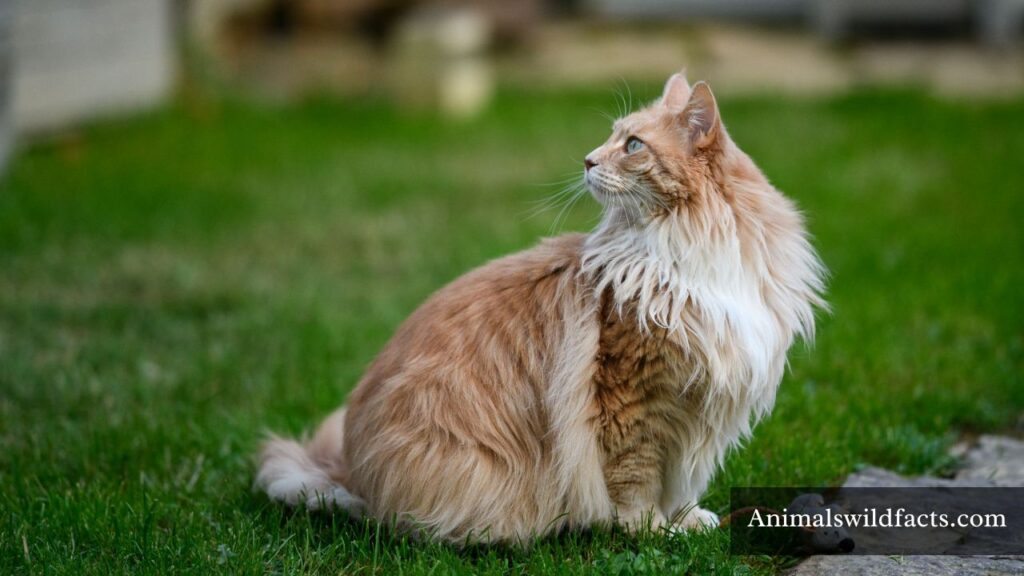
Interestingly, the maintenance of these claws plays a vital role in a cat’s physical and emotional health. Regular scratching not only sharpens their claws but also aids in managing stress and boredom. As they stretch and scratch, they engage in a natural behavior that fosters both fitness and mental stimulation.
Readmore: Explore Top 14 Animals with Whiskers.
Wolverine
Scientific name: Gulo gulo
Class: Mammalia
Diet: Carnivore
The wolverine, with its reputation as a ferocious forager, wields claws that are not just tools for hunting but also symbols of its tenacity in harsh environments. These robust creatures possess sharp, curved claws that allow them to dig through ice and snow to uncover hidden prey, showcasing an extraordinary adaptation to their frigid habitats. It’s fascinating to observe how a wolverine can take down prey much larger than itself, employing its claws with precision and strength.
Beyond their offensive utility, the claws also play a crucial role in the wolverine’s survival strategy. Their ability to climb trees and traverse rocky terrains is enhanced by these formidable appendages, allowing them to escape predators and survey their territory. T
Alligators
Scientific name: Alligator mississippiensis
Class: Reptilia
Diet: Carnivore
Alligators possess formidable claws that are not just tools for gripping but also play a crucial role in their adaptive strategy. Found on their webbed feet, these sharp, curved claws enable them to navigate a variety of terrains, from murky swamps to muddy riverbanks. Unlike many other reptiles, alligators are uniquely equipped to climb, thanks to their claws, allowing them to bask in sunlit spots or escape potential threats by scaling low branches.

Furthermore, the claws are instrumental during the hunting process. When an alligator ambushes its prey, it uses its claws to anchor itself firmly to the ground, ensuring stability as it launches its powerful jaws. This gripping mechanism proves invaluable when wrestling larger prey, as the claws can inflict significant damage, adding to the intimidation factor of these apex predators.
Mountain Lion
Scientific name: Puma concolor
Class: Mammalia
Diet: Carnivore
The mountain lion, also known as the cougar or puma, possesses retractable claws that are not only formidable hunting tools but also reflect its evolutionary prowess. These claws can extend to nearly 2 inches in length, allowing the mountain lion to grip its prey with incredible precision. This uniquely adaptive feature enables these big cats to climb rocky terrains effortlessly, which is crucial for both hunting and escaping larger predators. Their ability to retract the claws minimizes wear and tear, ensuring they remain sharp and effective whenever needed.
The mountain lion’s sharp claws also serve a social purpose. As solitary creatures, they rely heavily on scent marking and visual cues in their territory. By scratching trees and other surfaces, they leave behind not only scent markers but also a visible sign of their presence, establishing dominance over a wide area. This solitary behavior underscores the dual functionality of their claws, blending the primal acts of hunting with the subtleties of communication in the wild. T
Komodo Dragon
Scientific name: Varanus komodoensis
Class: Reptilia
Diet: Carnivore
The Komodo dragon, the world’s largest lizard, wields razor-sharp claws that serve as its formidable tools for both hunting and self-defense. These claws, measuring up to 3 inches in length, aren’t just for show; they play a crucial role in the lizard’s predatory prowess. When a Komodo dragon ambushes its prey, its claws act like deadly knives, aiding in gripping and tearing flesh, turning the hunt into an efficient, albeit brutal, display of nature’s raw design.

What sets the Komodo dragon apart, however, isn’t just the sharpness of its claws but the method in which it uses them. After slicing into its prey, the dragon often relies on its unique venom — once thought to come from the bacteria in its mouth — to ensure that even a carelessly evaded strike can be deadly. This adaptive strategy highlights the intricate relationship between the Komodo dragon’s physical structure and its ecological role as a top predator. Beyond their hunting capabilities, these claws also serve the purpose of climbing rocky terrains and digging, showcasing their versatility and adding to the intrigue of these ancient reptiles that roam the islands of Indonesia.
American Black Bear
Scientific name: Ursus americanus
Class: Mammalia
Diet: Omnivore
The American black bear, with its powerful physique and striking sleek fur, possesses claws that are not only formidable but also remarkably versatile. These claws, which can exceed two inches in length, are equipped for a variety of tasks: from climbing trees to foraging for food and even defending against predators. Unlike the claws of a typical carnivore, black bears’ sharp claws are primarily adapted for digging and grasping — an evolutionary advantage that allows them to access hidden food sources like roots, nuts, and even honey.
As opportunistic omnivores, these bears demonstrate an impressive dexterity in using their claws to manipulate objects. For instance, skilled foragers can expertly tear apart logs to uncover grubs or peel the bark off trees to reach nourishing sap. Furthermore, their clawed paws help them ascend trees effortlessly, providing both a retreat from threats and access to elevated food sources like berries and bird nests.
Bald Eagle
Scientific name: Haliaeetus leucocephalus
Class: Aves
Diet: Carnivore
The bald eagle, a symbol of strength and freedom, wields formidable claws that are as impressive as its majestic wingspan. These sharp talons, reaching up to two inches in length, are perfectly adapted for gripping and tearing into prey. Unlike other birds of prey, the bald eagle possesses a unique toe arrangement that enhances its grip, allowing it to snatch fish from the water with remarkable precision. This adaptation not only showcases its hunting prowess but also highlights the evolutionary innovations that enable it to thrive in various habitats.
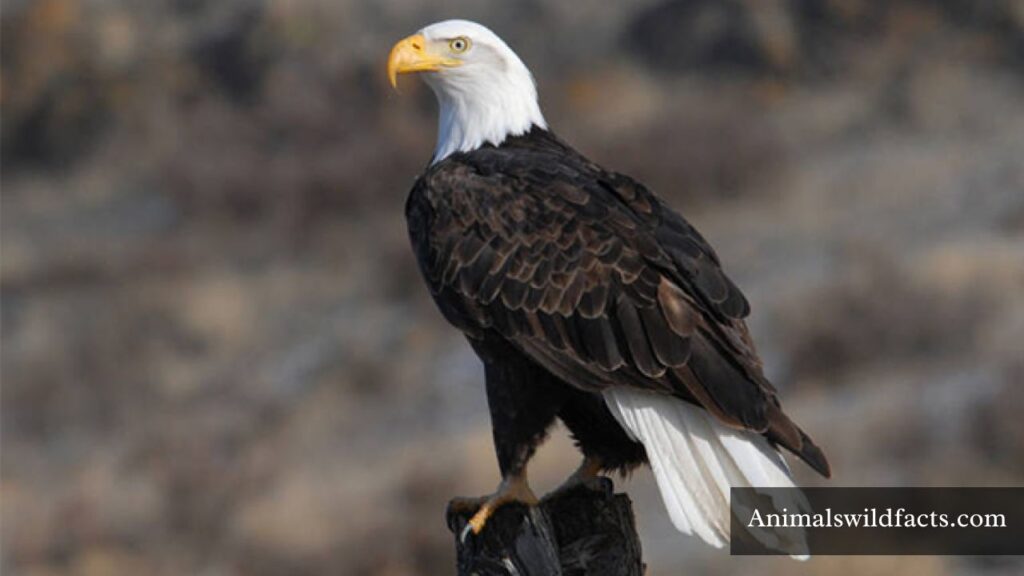
What sets the bald eagle apart is its ability to adapt its hunting techniques according to its environment. In coastal regions, these magnificent birds often hunt for fish, using their impressive eyesight to spot movement from great heights. Their rapid dive, aided by those razor-sharp talons, transforms them into skilled hunters, capable of seizing fish almost effortlessly. However, they are not just limited to aquatic prey; during scarce times, they can also scavenge or even hunt small mammals, demonstrating their versatility and adaptability in the wild.
Jaguar
Scientific name: Panthera onca
Class: Mammalia
Diet: Carnivore
The jaguar, often dubbed the powerhouses of the Americas, boasts an arsenal of impressively sharp claws that make them apex predators. These formidable appendages are not just for show; they are essential tools for their survival. Each claw, retractable and razor-sharp, allows jaguars to grip and hold onto a variety of prey, from capybaras to caimans. Unlike many of their feline relatives, jaguars employ a unique killing method, using their claws to pierce the skull or shell of their prey, delivering a swift, lethal bite.
Moreover, the jaguar’s anatomy is perfectly adapted to their rainforest habitat. Their claws enable them to scale trees with ease, not only to hunt but also to escape larger threats. This versatility opens a world of possibilities, allowing them to traverse dense canopies, demonstrating both agility and power.
Readmore: Explore Top 11 Animals With Quills.
Final Thoughts
Sharp claws serve a vital purpose for many animals, aiding them in hunting, climbing, and self-defense. From the sleek talons of raptors swooping down on their prey to the powerful claws of bears navigating rugged terrains, these adaptations showcase the incredible diversity of life on Earth. Each species has evolved its own unique claw structure, demonstrating the importance of adaptation in survival. Understanding these fascinating features enhances our appreciation for wildlife and the ecosystems they inhabit. Let’s continue to observe and protect these remarkable creatures, acknowledging their roles in our shared environment.
FAQs
What animals have sharp claws?
Many animals have sharp claws adapted for various functions, such as hunting, climbing, or digging. For instance, big cats like lions and tigers possess retractable claws that help them grip prey and climb trees. Similarly, birds of prey, such as eagles and hawks, have sharp talons that enable them to catch and hold onto their meals securely. In addition, some amphibians and reptiles like certain gecko species have claws designed for climbing surfaces. Even some rodents, such as squirrels, have sharp claws that aid in climbing and foraging.
What animal has the strongest claws?
The animal with the strongest claws is often considered to be the jaguar. These big cats possess incredibly powerful jaws and sharp claws that can exert tremendous force. Their claws can pierce through the shells of turtles and the skin of large prey, making them one of the most efficient hunters in the animal kingdom.
What animal has the strongest claw force?
The coconut crab holds the title for the strongest claw force among land-dwelling invertebrates. Its massive pincers can exert a force of up to 3300 newtons, allowing it to crack open coconuts, which is quite impressive for a creature that primarily lives on land. These crabs are not just about strength; they’re also fascinating in their behaviors and adaptations. They can climb trees and are primarily scavengers, using their powerful claws to pry open tough shells and access food.
Do lions have retractable claws?
Yes, lions do have retractable claws. This feature is common among big cats, allowing them to keep their claws sharp for hunting and climbing.