
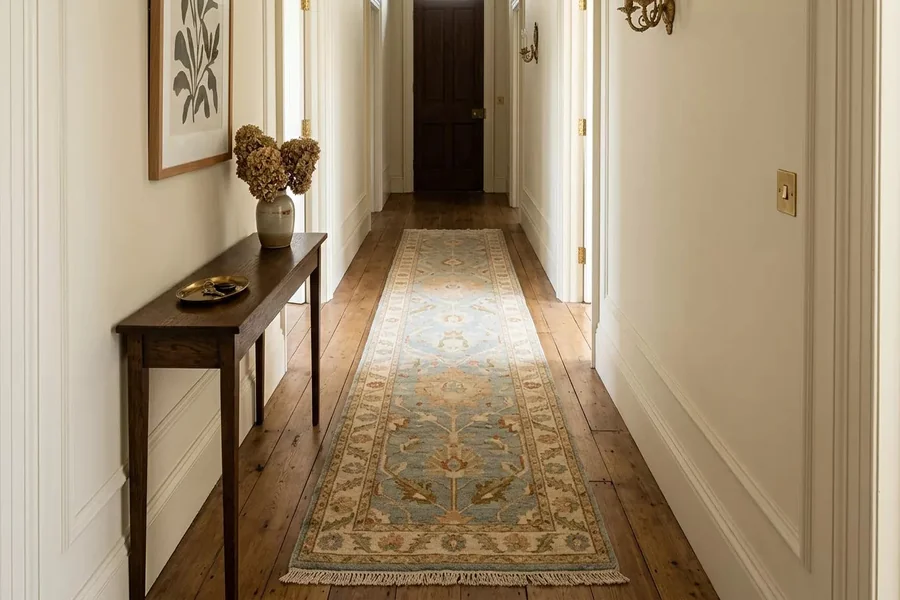
Choosing the Perfect Hallway Runner by the Metre
Hallway runners are an essential element in home décor, combining functionality and style. They not only enhance the aesthetic appeal of long, narrow spaces but also protect flooring and provide safety underfoot. Selecting the ideal hallway runner requires careful consideration of several factors including size, material, design, and maintenance needs.
Understanding the Purpose of Hallway Runners
Before choosing a hallway runner, it is important to understand its purpose within the home. Runners help define a hallway’s space, adding warmth and character to what might otherwise be a bland area. They offer protection to hardwood or tile floors from heavy foot traffic and reduce noise. Additionally, runners can improve safety by providing a non-slip surface in frequently used passageways.
Advantages of Hallway Runners by the Metre
Purchasing a hallway runner by the metre allows for a customised fit tailored to the specific length of a hallway. This option is particularly beneficial for irregular or unique hallway dimensions where standard rug lengths might not provide adequate coverage. Buying by the metre also offers flexibility in design, colour, and texture selection, enabling a more personalised interior style.
Measuring the Hallway Accurately
An accurate measurement is crucial when selecting a hallway runner. It is advisable to measure the length of the hallway from wall to wall, considering any architectural features such as doorways, radiators, or staircases. The width of the runner should ideally leave a margin of floor visible on either side, usually between 10 to 20 centimetres, to maintain proportional balance and aesthetic appeal.
Determining the Right Width
The width of a hallway runner plays a significant role in its visual impact and functionality. Narrow runners may feel insignificant or out of place, while excessively wide runners can crowd the space. The optimal width strikes a balance by complementing the hallway’s proportions and allowing for safe passage without encroaching on furniture or fixtures along the walls.
Choosing Materials for Durability and Comfort
Hallway runners are subjected to constant foot traffic, which necessitates the selection of durable and easy-to-maintain materials. Common options include wool, synthetic fibres, cotton, and blends. Wool is renowned for its resilience and natural stain resistance, making it a premium choice for busy hallways. Synthetic fibres like nylon and polypropylene offer affordability and excellent stain resistance but may vary in comfort and longevity.
Considerations for Safety and Comfort
Slip resistance is essential in hallways to prevent accidents. Runners with non-slip backings or the use of a rug underlay can increase stability on smooth surfaces. Additionally, the pile height affects both comfort and safety. Low-pile runners are easier to clean and safer in high-traffic areas, whereas high-pile runners provide a lavish feel but may require more maintenance.
Selecting the Design and Colour Scheme
The design and colour of a hallway runner impact the overall visual coherence of the interior space. Patterns range from traditional motifs to modern geometric designs, enabling homeowners to express their style preferences. Light colours can brighten narrow hallways, while darker shades may better conceal dirt and wear. It is also important to consider how the runner complements existing wall colours, flooring, and furnishings.
Matching Runners to Interior Styles
Interior design styles such as contemporary, rustic, or minimalist each suggest different runner aesthetics. For instance, a minimalist home might benefit from a solid-coloured, texture-rich runner, while a traditional setting might be enhanced by floral or oriental patterns. Buying a hallway runner by the metre supports customisation aligned with interior design requirements.
Maintenance and Care of Hallway Runners
Regular maintenance ensures the longevity and appearance of hallway runners. Vacuuming at least once a week helps remove dust and debris. For stain removal, prompt attention using appropriate cleaning agents is necessary. Some materials allow professional cleaning or machine washing, whereas others require specialised care.
Choosing Easy-to-Clean Options
If a hallway experiences particularly heavy use or is prone to spills and dirt, selecting runners made from synthetic blends or treated natural fibres can simplify maintenance. Additionally, removable sections or modular options bought by the metre can facilitate cleaning and replacement of worn areas without the need for purchasing entirely new runners.
Environmental Considerations
Environmentally conscious consumers may prefer runners made from natural, renewable fibres such as wool, jute, or cotton. These materials tend to have a lower environmental impact during production and are biodegradable. When selecting a hallway runner by the metre, checking for eco-friendly certifications and sustainable manufacturing practices is advisable.
Budgeting and Cost Factors
The cost of hallway runners varies according to material quality, size, and design complexity. Purchasing a hallway runner by the metre can offer better control over expenditure, as homeowners purchase only the required length. It also reduces waste and may avoid additional costs related to customised manufacturing or trimming.
Where to Purchase Hallway Runners by the Metre
Specialist retailers and online stores often provide the option of buying hallway runners by the metre, allowing access to a wide range of materials and designs. Choosing an established retailer ensures quality and customer support. Additionally, online platforms may provide detailed product descriptions, customer reviews, and delivery options to assist selection.
Installation Tips
Proper installation contributes to the longevity and visual appeal of the runner. Laying the runner flat and securing it with rug tape or gripper strips prevents movement. Ensuring that the ends of the runner are neatly finished or equipped with non-fraying bindings maintains a professional appearance.
Summary
Selecting the right hallway runner involves balancing practical considerations such as size, durability, and safety, with aesthetic aspects including design and colour. Purchasing a hallway runner by the metre can facilitate a custom fit and style tailored to individual preferences and spatial requirements. Adequate measurement, material choice, and maintenance plans ensure the hallway runner remains a valued feature of the home for years to come.