What Is The State Bird Of Nevada? Full Guide To The Mountain Bluebird
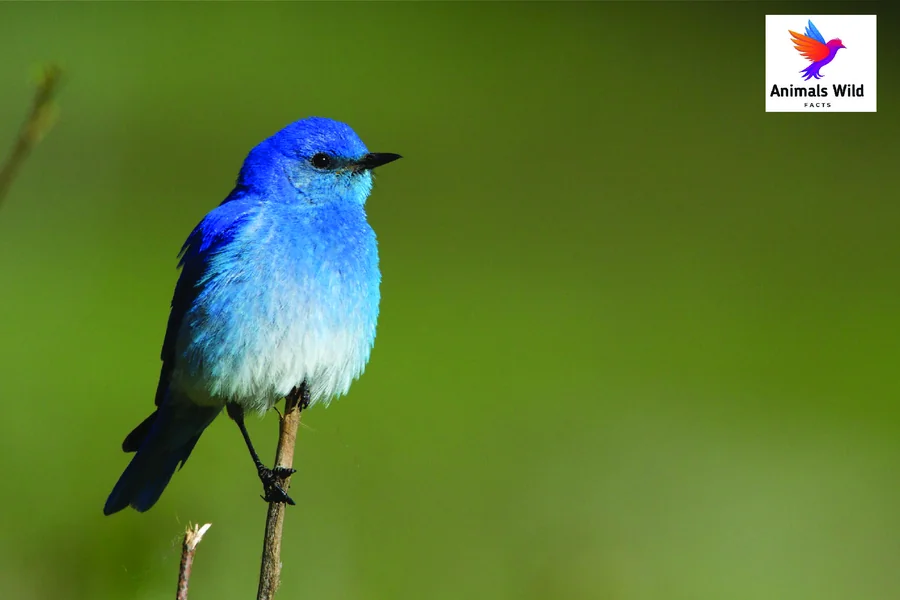
There is no question of “what is the state bird of Nevada“. The Mountain Bluebird is the state bird of Nevada. The Mountain Bluebird is a small thrush that is known for its color, simplicity and openness to the west of the USA. It was designated in 1967 and is an important part of what makes Nevada special.
Quick Answer Table: What Is The State Bird Of Nevada
| Feature | Details |
| Common Name | Mountain Bluebird |
| Scientific Name | Sialia currucoides |
| Class | Aves |
| Order | Passeriformes |
| Family | Turdidae |
| Diet | Insects, larvae, berries |
| Habitat | Grasslands, deserts, mountain meadows |
| Range | Western North America |
| State | Nevada |
| Year Adopted | 1967 |
Visual Identification In The Wild
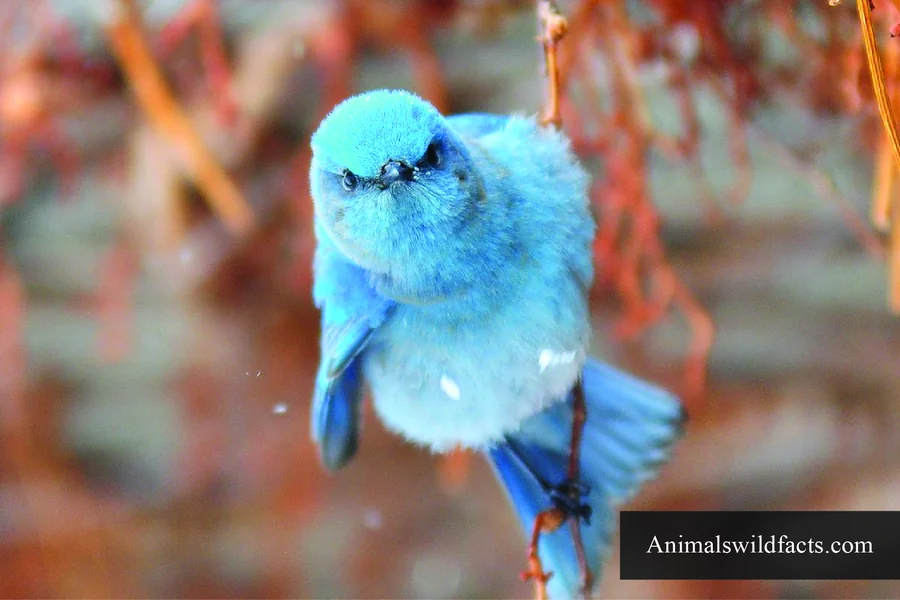
The Mountain Bluebird is easily identified. The male is a striking blue all over. It has a slightly iridescent appearance in the sun. The female is more muted. It displays gray and pale blue, which helps it to camouflage.
It is an adaptation that is helpful for their survival. The male is seen during mating, but the female is concealed when she lays eggs.
Read Also: Animals With Curled Tails
Scientific Classification And Identity
The Mountain Bluebird belongs to a group of birds known for soft calls and ground-feeding habits.
- Scientific Name: Sialia currucoides
- Class: Aves
- Order: Passeriformes (perching birds)
- Family: Turdidae (thrush family)
Most thrushes live in forests and sing complex songs. The Mountain Bluebird is different. It prefers open land and relies more on visual hunting than dense cover.
Habitat And Range (Detailed Breakdown)
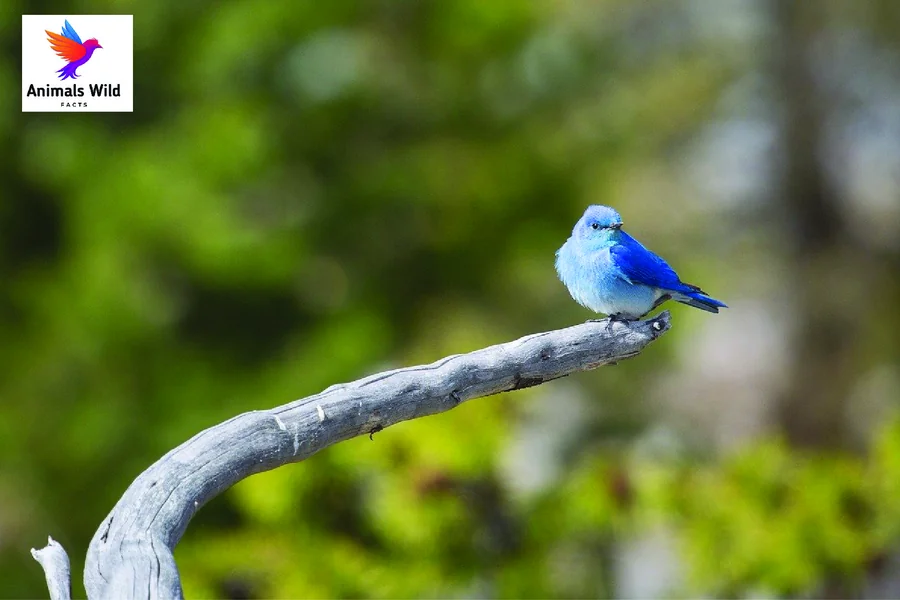
The Mountain Bluebird lives across a wide range in western North America. Its habitat choice explains why it fits Nevada so well.
Core Habitat Types
- Open grasslands
- High desert regions
- Mountain meadows
- Sagebrush plains
Geographic Range
- Western United States (Nevada, Utah, Idaho, Montana)
- Southern Canada during breeding season
- Southwestern regions during winter
Movement Pattern
This bird is a partial migrant. Birds from colder areas move south in winter. Those in milder areas may stay year-round. In Nevada, many remain if food is available.
Behavior And Lifestyle In Nature
The daily life of the Mountain Bluebird is built around efficiency. It uses simple but effective hunting and nesting strategies.
Feeding Behavior
The bird often perches on:
- Fence posts
- Low branches
- Rocks
From these spots, it scans the ground. When it sees movement, it drops quickly to catch prey. This method saves energy and works well in open terrain.
Social Behavior
- Often seen alone or in pairs
- Forms small flocks in winter
- Becomes territorial during breeding
Flight Style
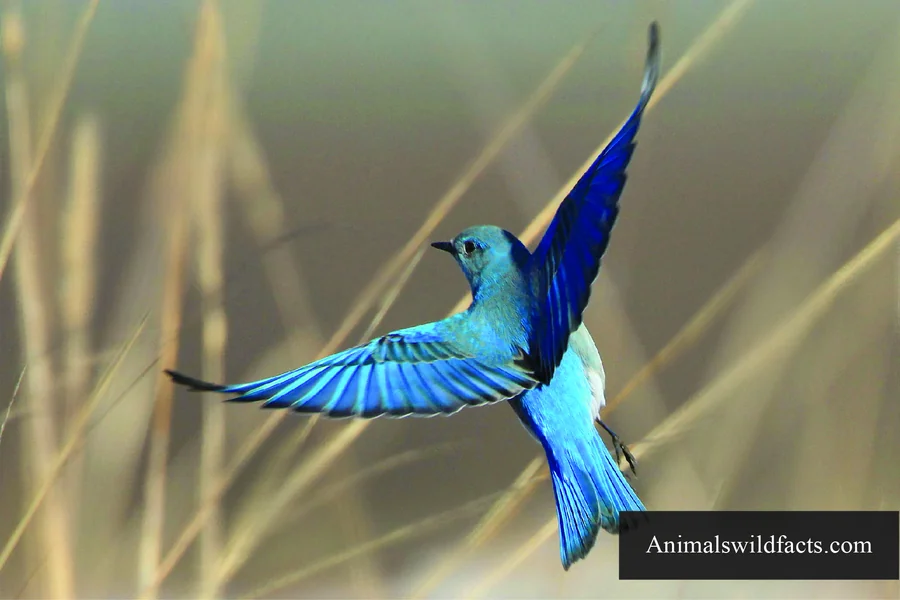
Its flight is smooth and direct. It does not weave through trees like forest birds. Instead, it flies in straight paths across open land.
Read Also: Animals with Antlers
Diet And Seasonal Feeding Strategy
The Mountain Bluebird survives by adapting its diet throughout the year.
Main Diet Components
- Beetles
- Grasshoppers
- Caterpillars
- Spiders
- Small fruits and berries
Seasonal Changes
- Spring/Summer: Mostly insects for high protein
- Fall/Winter: More berries due to lower insect activity
This flexible diet helps the bird survive in Nevada’s changing climate.
Breeding, Nesting & Life Cycle
The breeding season is when the Mountain Bluebird becomes more active and visible.
Nesting Habits
- Uses tree cavities or holes
- Often takes over old woodpecker nests
- Accepts artificial nest boxes
Eggs and Raising Young
- Lays 4 to 8 eggs per clutch
- Both parents help feed chicks
- Young birds leave the nest within a few weeks
Nest site availability is critical. This is why conservation programs often provide nest boxes.
Adaptations For Survival
The Mountain Bluebird has several features that help it survive in open environments:
- Sharp eyesight for spotting insects from a distance
- Lightweight body for quick flight
- Flexible diet for seasonal change
- Use of cavities for protection from predators
These traits make it well suited for Nevada’s dry and open landscapes.
Fun Facts That Add Context
- It is the eastern of three North American bluebirds
- It’s blue is due to light refraction
- It helps keep down insect numbers
- It may use the same nesting site each year
- It is an indicator of healthy grasslands
Why The Mountain Bluebird Represents Nevada
Nevada is a desert state. The Mountain Bluebird is found in all these environments.
It is visible. It is adaptable. And it’s associated with the environment. So it was a fitting choice when the Mountain Bluebird was chosen as the state bird of Nevada in 1967.
Read Also: Animals With Sharp Claws
Final Thoughts
So we have answered the question, “What is the state bird of Nevada?” The Mountain Bluebird is not just a symbol. It is a part of the ecology. It eats insects, it’s a seed sower & it’s a symbol of the open skies.
To find one, look over meadows & fences. Keep an eye out for a blue streak. Then wait. You might spot it fly down to the ground, doing what it has been doing for thousands of years.
FAQs:
What is the state bird of Nevada?
The Mountain Bluebird is the state bird of Nevada. It became the state bird in 1967, and is known for its blue feathers and open habitat.
What’s the significance of the Mountain Bluebird?
The Mountain Bluebird was selected to represent the state of Nevada. It is found in open habitats such as grasslands and deserts found in Nevada.
What does the Mountain Bluebird look like?
The Mountain Bluebird is bright blue for males and a lighter blue & gray for females. It is a small, slender bird & you can spot it perched.
Where is the Mountain Bluebird found?
Mountain Bluebirds are found in the western US. In the state of Nevada, it can be found in grasslands, mountain meadows and desert fringes.
What does the Mountain Bluebird eat?
The Mountain Bluebird’s diet consists of insects such as beetles and grasshoppers. During the winter, it also feeds on berries and fruits.
Is the Mountain Bluebird unique to the state of Nevada?
The Mountain Bluebird is not found only in Nevada. It is widespread throughout the western states and in Canada, but it is the state bird of Nevada.
When was the Mountain Bluebird made the state bird?
The Mountain Bluebird was named the state bird of Nevada in 1967 because it was associated with the state.
What makes the Mountain Bluebird unique?
The Mountain Bluebird is unique for its all-blue hue, open habitats, and plain hunting techniques. It’s also an indicator of good environmental health.
Is the Mountain Bluebird migratory?
The Mountain Bluebird is a partial migrant. Some travel south in winter, but they remain if supplies are plentiful.
How can you identify a Mountain Bluebird in the wild?
Look for a Mountain Bluebird’s blue body, its perched posture, and perching on fences or low branches before swooping down to catch insects.